
Partial Oophorectomy
Partial Oophorectomy is a surgical procedure involving the removal of only a portion of an ovary, typically performed to address specific conditions while preserving as much healthy ovarian tissue as possible. This approach aims to maintain hormonal function and potential fertility, distinguishing it from a complete oophorectomy where the entire ovary is removed.
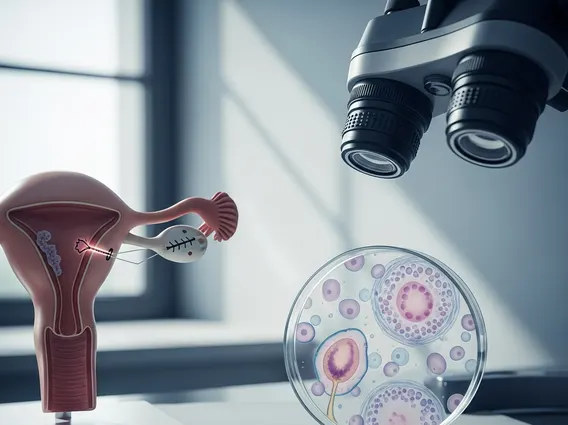
Key Takeaways
- Partial oophorectomy involves removing only a diseased or problematic part of an ovary, not the entire organ.
- The primary goal is to treat conditions like cysts or benign tumors while preserving ovarian function and fertility.
- The procedure is often performed minimally invasively, such as laparoscopically, leading to quicker recovery.
- Benefits include continued hormone production and the potential for future pregnancies.
- Recovery typically involves managing pain and restricting strenuous activities for a few weeks.
What is Partial Oophorectomy?
What is partial oophorectomy? It is a surgical procedure where a surgeon removes only a segment of an ovary, rather than the entire organ. This targeted approach is primarily used when there is a localized issue, such as an ovarian cyst, a benign tumor, or an endometrioma, that needs to be excised. The objective is to preserve the remaining healthy ovarian tissue, which is crucial for maintaining the ovary’s endocrine function—producing hormones like estrogen and progesterone—and for preserving a woman’s reproductive potential.
This procedure is distinct from a total oophorectomy, which involves the complete removal of one or both ovaries. Partial oophorectomy is often preferred for premenopausal women to avoid surgical menopause and its associated health implications, such as increased risk of cardiovascular disease and osteoporosis, as well as to allow for natural conception if desired. The decision to perform a partial oophorectomy is carefully made based on the nature and size of the ovarian lesion, the patient’s age, and her desire for future fertility.
Partial Oophorectomy: Procedure & Benefits
The partial oophorectomy procedure explained typically involves either a laparoscopic (minimally invasive) or, less commonly, an open abdominal approach. During a laparoscopic procedure, small incisions are made in the abdomen, through which a camera and specialized surgical instruments are inserted. The surgeon then carefully identifies and excises the affected part of the ovary, leaving the healthy tissue intact. This method generally results in less pain, smaller scars, and a faster recovery compared to traditional open surgery. The removed tissue is sent for pathological examination to confirm the diagnosis and ensure all problematic cells have been removed.
The Benefits of partial oophorectomy are significant, particularly for women of reproductive age. By preserving a portion of the ovary, the procedure helps maintain the body’s natural hormonal balance. This prevents the immediate onset of surgical menopause, which can occur after a total oophorectomy and lead to symptoms like hot flashes, mood swings, and vaginal dryness. Furthermore, preserving ovarian tissue means that the ovary can continue to release eggs, thereby retaining the potential for natural conception and fertility. This is a crucial consideration for many patients planning future pregnancies. According to the American College of Obstetricians and Gynecologists (ACOG), preserving ovarian function is a key consideration in gynecological surgery for premenopausal women, whenever medically appropriate.
Key benefits include:
- Hormone Production: Continued natural production of estrogen and progesterone, preventing premature menopause.
- Fertility Preservation: Retention of the ability to ovulate and potentially conceive naturally.
- Reduced Health Risks: Lowered risk of long-term health issues associated with early menopause, such as cardiovascular disease and osteoporosis.
- Minimally Invasive Option: Often performed laparoscopically, leading to quicker recovery and less discomfort.
Recovery After Partial Oophorectomy
Understanding the partial oophorectomy recovery time is essential for patients undergoing this procedure. Recovery varies depending on the surgical approach (laparoscopic versus open) and individual patient factors. For laparoscopic partial oophorectomy, most patients can expect to return home within 24 hours. The initial recovery period, involving mild to moderate pain and fatigue, typically lasts a few days to a week. Full recovery, where patients can resume all normal activities, usually takes about two to four weeks.
During the recovery phase, it is crucial to follow post-operative instructions provided by the medical team. This includes managing pain with prescribed medication, keeping the incision sites clean and dry to prevent infection, and gradually increasing physical activity. Strenuous activities, heavy lifting, and sexual intercourse are generally restricted for several weeks to allow internal tissues to heal properly. Patients are advised to look out for signs of complications, such as fever, severe pain, or excessive bleeding, and to contact their doctor if these occur. Follow-up appointments are scheduled to monitor healing and discuss pathology results, ensuring a smooth and complete recovery.



















