Patchouli
Patchouli, derived from the plant Pogostemon cablin, is primarily recognized for its distinctive aromatic oil, which has been utilized across various cultures for centuries. This article explores what is Patchouli and its uses, delving into its botanical background, therapeutic properties, and rich historical context.
Key Takeaways
- Patchouli is a fragrant herb native to Southeast Asia, known for its distinctive earthy aroma.
- The essential oil extracted from its leaves possesses a range of properties, including anti-inflammatory and antiseptic qualities.
- Historically, patchouli has been used in traditional medicine, perfumery, and as an insect repellent.
- Its cultural significance spans ancient civilizations to modern aromatherapy and fragrance industries.
- While valued for its properties, patchouli is primarily used in complementary practices and does not replace conventional medical treatment.
What is Patchouli: Plant Origin & Characteristics
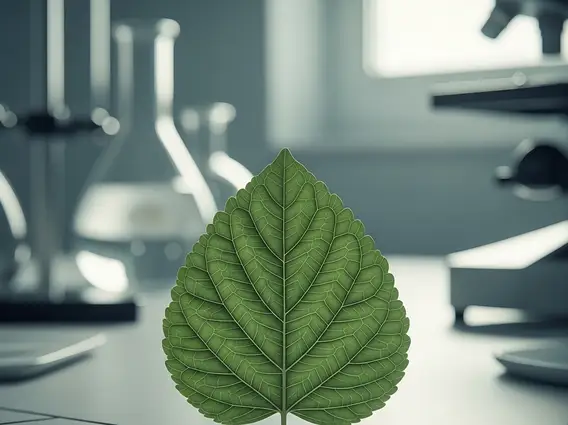
Patchouli refers to a species of flowering plant in the mint family, Lamiaceae, scientifically known as Pogostemon cablin. This bushy herb is native to tropical regions of Asia, including Malaysia, Indonesia, and the Philippines. The Patchouli plant origin and characteristics include its growth as an erect, herbaceous perennial, typically reaching heights of two to three feet. It features large, fragrant, fuzzy leaves and small, pale pink-purple flowers that bloom in late autumn.
The plant thrives in warm, humid climates and well-drained soil. Its leaves are the primary source of the highly valued essential oil, which is extracted through steam distillation. The characteristic deep, earthy, and musky aroma of patchouli is due to the presence of several chemical compounds, most notably patchoulol. Beyond its aromatic qualities, the plant has been historically recognized in traditional medicine systems for various applications, laying the groundwork for its modern uses.
Patchouli Oil: Benefits, Properties & Uses
The essential oil derived from patchouli leaves is highly prized for its diverse array of therapeutic properties and applications. The Benefits and properties of patchouli oil are extensive, making it a popular ingredient in aromatherapy, cosmetics, and traditional remedies. It is known for its anti-inflammatory, antiseptic, antifungal, and astringent qualities.
In aromatherapy, patchouli oil is often used to promote relaxation, alleviate stress, and improve mood due to its grounding and calming aroma. Its antiseptic properties make it beneficial for skin care, where it is used to help cleanse minor wounds and support skin regeneration. Furthermore, its antifungal qualities have led to its use in addressing certain skin conditions. The oil’s strong, long-lasting scent also makes it a valuable fixative in perfumery.
Common uses of patchouli oil include:
- Aromatherapy: Diffused to reduce stress and promote emotional balance.
- Skincare: Incorporated into creams and lotions for its antiseptic and regenerative properties.
- Perfumery: Used as a base note in fragrances for its rich, earthy aroma.
- Insect Repellent: Traditionally used to deter insects, particularly moths.
- Hair Care: Added to shampoos and conditioners to support scalp health.
While patchouli oil offers various benefits, it is important to note that its use in managing health conditions is largely complementary. For any medical concerns, consultation with a healthcare professional is always recommended.
History & Cultural Significance
The History and cultural significance of patchouli is rich and spans several millennia, reflecting its enduring appeal across diverse civilizations. Originating in Southeast Asia, patchouli was first introduced to the Middle East via the Silk Road, where it quickly became a prized commodity.
In ancient Egypt, patchouli was reportedly used by King Tutankhamun, with jars of the oil said to have been found in his tomb. In India, it has been a staple in Ayurvedic medicine and spiritual practices, often used in incense and traditional remedies. Chinese medicine also incorporated patchouli for its purported health benefits. European traders encountered patchouli during the 18th and 19th centuries, initially using its dried leaves to protect valuable fabrics like cashmere and silk from moths during transit, imparting its characteristic scent to the textiles.
Its popularity surged in the Western world during the 1960s and 70s, becoming synonymous with the counterculture movement, symbolizing freedom and earthiness. Today, patchouli continues to be a significant ingredient in the fragrance industry, appearing in many perfumes, soaps, and lotions. Its deep, grounding aroma also maintains its place in aromatherapy and holistic wellness practices worldwide, bridging ancient traditions with modern applications.
Disclaimer: The information provided in this article is for educational purposes only and is not intended to be a substitute for professional medical advice, diagnosis, or treatment. Always seek the advice of your physician or other qualified health provider with any questions you may have regarding a medical condition.