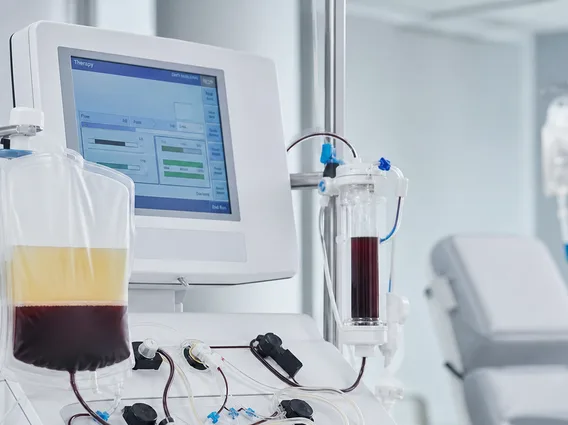
Hormone Therapy
Hormone therapy is a medical treatment that utilizes hormones or hormone-blocking medications to address various health conditions. It plays a crucial role in managing diseases linked to hormonal imbalances, deficiencies, or excesses, as well as treating certain hormone-sensitive cancers.

Key Takeaways
- Hormone therapy involves using synthetic or natural hormones to manage conditions like cancer, menopause, and hormone imbalances.
- It encompasses various types of hormone therapy, tailored to specific medical needs and conditions.
- The primary benefits of hormone therapy include significant symptom relief and effective disease management.
- Patients should be aware of potential side effects of hormone therapy, which can vary widely depending on the specific treatment and individual.
- Consultation with a healthcare provider is essential to determine the most appropriate and safest treatment plan.
What is Hormone Therapy and Its Types
What is hormone therapy? It is a medical intervention designed to either add hormones to the body, block the production of certain hormones, or interfere with how hormones act on cells. This approach is fundamental in treating conditions where hormones play a significant role, such as menopausal symptoms, certain types of cancer, and transgender health care. The goal is to restore balance, alleviate symptoms, or inhibit disease progression by modulating the body’s endocrine system.
There are several distinct types of hormone therapy, each designed for specific medical purposes. These therapies can involve different hormones or anti-hormone agents and are administered in various forms, including pills, patches, injections, gels, or implants. Common types include:
- Estrogen Therapy (ET) and Estrogen-Progestin Therapy (EPT): Often used to manage menopausal symptoms like hot flashes, night sweats, and vaginal dryness. ET is for women without a uterus, while EPT is for women with a uterus to protect against uterine cancer.
- Androgen Deprivation Therapy (ADT): Primarily used in the treatment of prostate cancer, this therapy aims to reduce the levels of male hormones (androgens) that fuel cancer cell growth.
- Anti-Estrogen Therapy: Employed in hormone-sensitive breast cancers, these therapies block estrogen receptors on cancer cells or reduce estrogen production in the body. Tamoxifen and aromatase inhibitors are common examples.
- Growth Hormone Therapy: Used to treat growth hormone deficiency in children and adults, promoting growth and improving body composition.
- Thyroid Hormone Replacement Therapy: Prescribed for hypothyroidism, where the thyroid gland does not produce enough thyroid hormones.
The specific type of therapy chosen depends on the patient’s condition, medical history, and individual needs, always determined after a thorough evaluation by a healthcare professional.
Benefits and Potential Side Effects
The benefits of hormone therapy are diverse and can significantly improve quality of life or extend survival, depending on the condition being treated. For menopausal women, hormone therapy is highly effective in alleviating severe hot flashes, night sweats, and vaginal atrophy, which are common and disruptive symptoms. For individuals with hormone-sensitive cancers, such as breast or prostate cancer, hormone therapy can slow or stop cancer growth, reduce the risk of recurrence, and improve overall survival rates. For instance, hormone therapy has been shown to reduce the risk of breast cancer recurrence by approximately 40-50% in women with hormone-receptor-positive early-stage disease, according to data from the American Cancer Society.
However, like all medical treatments, there are potential side effects of hormone therapy that patients should be aware of. These side effects vary greatly depending on the type of hormone therapy, the specific hormones involved, the dosage, and individual patient factors. Common side effects for menopausal hormone therapy can include breast tenderness, bloating, mood changes, and headaches. More serious risks, though less common, can include an increased risk of blood clots, stroke, heart disease, and certain cancers (e.g., endometrial cancer with unopposed estrogen, or a slight increase in breast cancer risk with long-term combined estrogen-progestin therapy). For cancer treatments, side effects might include fatigue, hot flashes, bone thinning, sexual dysfunction, and weight changes. It is crucial for patients to discuss these potential risks and benefits thoroughly with their healthcare provider to make an informed decision about their treatment plan.