Hereditary Syndrome
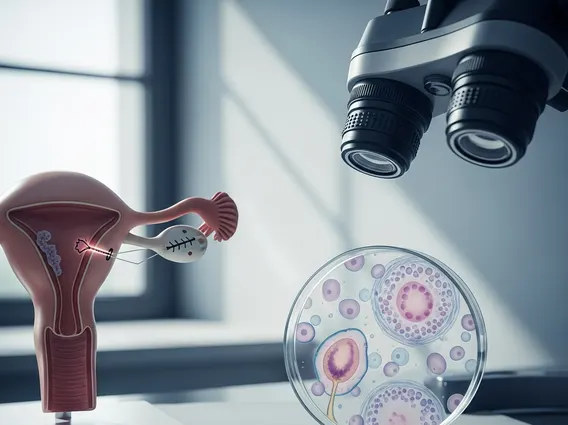
Hereditary syndromes are a group of medical conditions caused by genetic mutations passed down through families. These syndromes can affect various bodily systems, leading to a wide range of health challenges from birth through adulthood.
Key Takeaways
- Hereditary syndromes result from genetic mutations inherited from parents.
- They manifest with diverse symptoms affecting multiple body systems.
- Inheritance patterns dictate how these conditions are passed through generations.
- Early diagnosis and genetic counseling are crucial for management.
- Many different syndromes exist, each with unique genetic and clinical characteristics.
What is a Hereditary Syndrome?
A Hereditary Syndrome is a medical condition resulting from a genetic mutation or abnormality that is inherited from one or both parents. The Hereditary syndrome definition and causes involve alterations in an individual’s DNA, which can range from single gene mutations to larger chromosomal rearrangements. These genetic changes disrupt normal bodily functions, leading to a characteristic set of signs and symptoms that define the syndrome. The primary cause is the transmission of these altered genes through germ cells (sperm or egg), ensuring the condition can recur across generations within a family. Understanding the specific genetic alteration is crucial for diagnosis, prognosis, and potential therapeutic interventions, as these syndromes often present complex and multi-systemic challenges.
Symptoms & Inheritance Patterns
The Symptoms of hereditary genetic syndromes are incredibly varied, depending on the specific gene affected and its role in the body. They can manifest at birth, during childhood, or even later in adulthood, impacting virtually any organ system. Common symptoms might include developmental delays, distinctive facial features, neurological problems, metabolic disorders, or increased susceptibility to certain diseases. For instance, some syndromes might cause skeletal abnormalities, while others primarily affect the cardiovascular or immune systems, often requiring lifelong medical management. Early recognition of these symptoms is vital for timely diagnosis and intervention.
Understanding hereditary disease inheritance is fundamental to comprehending how these conditions are passed down. The patterns of inheritance describe the likelihood of a child inheriting a genetic disorder. The most common patterns include:
- Autosomal Dominant: Only one copy of an altered gene on a non-sex chromosome is needed to cause the disorder. A child has a 50% chance of inheriting the condition if one parent is affected.
- Autosomal Recessive: Two copies of an altered gene (one from each parent) on a non-sex chromosome are required. Parents are typically carriers and do not show symptoms, but each child has a 25% chance of inheriting the condition.
- X-linked: The altered gene is located on the X chromosome. These conditions often affect males more severely than females, as males have only one X chromosome, while females have two, allowing for a “backup” copy.
- Mitochondrial: Caused by mutations in mitochondrial DNA, inherited exclusively from the mother, affecting energy production in cells.
According to the World Health Organization (WHO), genetic disorders, including hereditary syndromes, affect millions worldwide, with congenital anomalies, many of which have a genetic basis, contributing significantly to infant mortality and chronic disease burden globally. It is estimated that approximately 1 in 25 children are affected by a genetic disorder.
Common Hereditary Syndromes
A Common hereditary syndromes list includes a diverse array of conditions, each with its own unique genetic basis and clinical presentation. These syndromes highlight the wide spectrum of genetic disorders that can be inherited and their varied impact on individuals and families.
Some examples include:
- Cystic Fibrosis: An autosomal recessive disorder affecting mucus and sweat glands, leading to severe lung and digestive problems.
- Huntington’s Disease: An autosomal dominant neurodegenerative disorder characterized by uncontrolled movements, cognitive decline, and psychiatric problems, typically appearing in mid-life.
- Marfan Syndrome: An autosomal dominant disorder affecting connective tissue throughout the body, leading to issues with the heart, eyes, blood vessels, and skeleton.
- Sickle Cell Anemia: An autosomal recessive blood disorder that causes red blood cells to become misshapen and break down, leading to chronic anemia, pain crises, and organ damage.
- Fragile X Syndrome: An X-linked dominant condition that is the most common inherited cause of intellectual disability, often accompanied by behavioral and learning challenges.
These examples underscore the importance of genetic testing and counseling for families with a history of hereditary syndromes, enabling informed decisions about family planning and early intervention strategies to improve quality of life. Advances in genetic research continue to expand our understanding and offer new avenues for diagnosis and treatment.