Duodenitis
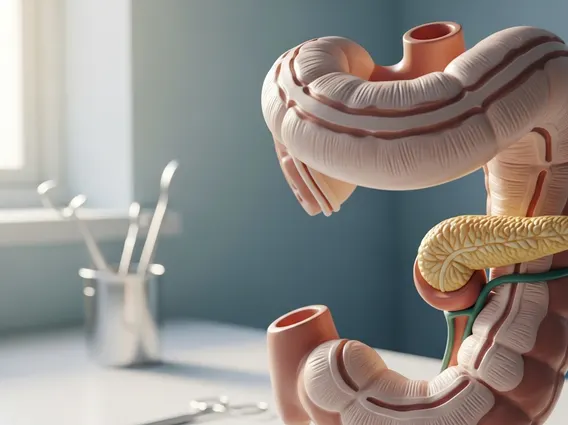
Duodenitis is an inflammation of the duodenum, the first part of the small intestine, which plays a crucial role in digestion. This condition can lead to a range of uncomfortable symptoms and, if left untreated, may result in complications.
Key Takeaways
- Duodenitis is inflammation of the duodenum, the initial segment of the small intestine.
- Common causes include H. pylori infection, NSAID use, and excessive alcohol consumption.
- Symptoms often involve abdominal pain, nausea, vomiting, and bloating.
- Diagnosis typically involves endoscopy with biopsy to confirm inflammation and identify the cause.
- Treatment focuses on addressing the underlying cause and managing symptoms, often with medication and lifestyle changes.
What is Duodenitis?
Duodenitis refers to the inflammation of the duodenum, the first section of the small intestine that connects to the stomach. This vital part of the digestive system is responsible for further breaking down food from the stomach and absorbing nutrients. When the lining of the duodenum becomes inflamed, it can disrupt these processes and cause various uncomfortable symptoms. The inflammation can range from mild irritation to severe ulceration, impacting digestion and overall well-being. According to a study published in the World Journal of Gastroenterology, duodenitis is a common finding during upper gastrointestinal endoscopy, though its prevalence can vary significantly based on geographic region and diagnostic criteria.
Duodenitis Symptoms and Causes
Understanding the manifestations and origins of this condition is crucial for effective management. Duodenitis symptoms can vary in intensity and may include abdominal pain, typically in the upper abdomen, which might worsen after eating or at night. Other common symptoms are nausea, vomiting, bloating, loss of appetite, and indigestion. In more severe cases, individuals might experience dark, tarry stools (melena) or vomit blood, indicating gastrointestinal bleeding, which requires immediate medical attention.
The duodenitis causes are diverse, with some of the most common factors including:
- Helicobacter pylori (H. pylori) infection: This bacterium is a primary cause of inflammation and ulcers in the stomach and duodenum.
- Nonsteroidal anti-inflammatory drugs (NSAIDs): Regular use of medications like ibuprofen or naproxen can irritate the duodenal lining.
- Excessive alcohol consumption: Alcohol can directly irritate the digestive tract, contributing to inflammation.
- Crohn’s disease: An inflammatory bowel disease that can affect any part of the digestive tract, including the duodenum.
- Stress: While not a direct cause, chronic stress can exacerbate existing digestive issues.
- Autoimmune conditions: Certain autoimmune disorders can lead to inflammation in the digestive system.
Diagnosing and Treating Duodenitis
Accurate identification of the condition and its underlying cause is essential for effective intervention. Duodenitis diagnosis options typically begin with a thorough medical history and physical examination. Your doctor may inquire about your symptoms, lifestyle, and medication use. To confirm the diagnosis and determine the extent of inflammation, an upper endoscopy is often performed. During this procedure, a thin, flexible tube with a camera is inserted down the throat into the esophagus, stomach, and duodenum, allowing the doctor to visualize the lining and take tissue samples (biopsy). The biopsy helps confirm inflammation, identify H. pylori infection, or rule out other conditions. Blood tests may also be conducted to check for anemia (due to bleeding) or signs of infection.
Once diagnosed, treatment for Duodenitis focuses on addressing the specific cause and alleviating symptoms. For H. pylori infection, a course of antibiotics combined with acid-reducing medications is usually prescribed. If NSAIDs are the culprit, discontinuing their use or switching to alternative pain relief methods is recommended. Acid-suppressing drugs, such as proton pump inhibitors (PPIs) or H2 blockers, are commonly used to reduce stomach acid production, allowing the duodenal lining to heal. Lifestyle modifications, including avoiding alcohol, spicy foods, and caffeine, can also significantly aid recovery. In rare cases of severe bleeding or obstruction, surgical intervention might be necessary, but this is uncommon. It is crucial to follow your healthcare provider’s recommendations for a complete recovery and to prevent recurrence.