
Dumping Syndrome
Dumping Syndrome is a condition that can develop after gastric surgery, characterized by food moving too quickly from the stomach into the small intestine. This rapid transit can lead to a range of uncomfortable symptoms, significantly impacting a person’s quality of life.
Key Takeaways
- Dumping Syndrome occurs when food, especially sugary items, moves too rapidly from the stomach to the small intestine.
- It is most commonly a complication of gastric surgery, such as bariatric procedures or gastrectomy.
- Symptoms can be early (within minutes of eating) or late (1-3 hours after eating), including nausea, dizziness, and fatigue.
- Management primarily involves dietary modifications, such as eating smaller, more frequent meals and avoiding high-sugar foods.
- In some cases, medication or further surgical intervention may be necessary to alleviate severe symptoms.
What is Dumping Syndrome?
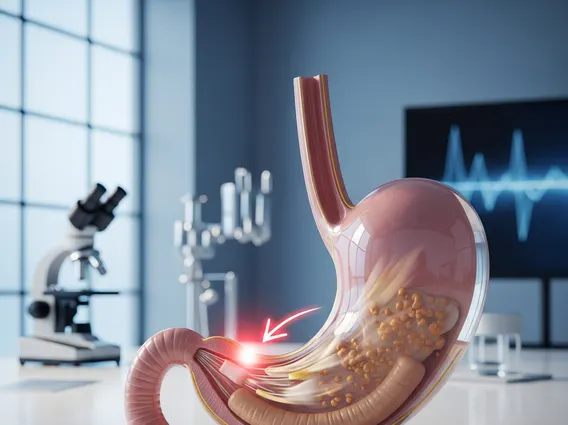
Dumping Syndrome refers to a group of symptoms that occur when food, particularly sugar-rich items, moves too quickly from the stomach into the small intestine. This rapid emptying causes a sudden shift of fluid into the small intestine, leading to both gastrointestinal and systemic reactions. The condition is most frequently observed in individuals who have undergone gastric surgery, such as bariatric surgery for weight loss or a gastrectomy for conditions like stomach cancer or ulcers. It can significantly affect digestion and nutrient absorption, necessitating careful dietary management.
Dumping Syndrome Symptoms and Causes
The symptoms associated with dumping syndrome symptoms causes can be categorized into early and late responses, depending on when they manifest after eating. Early symptoms typically appear within 10 to 30 minutes after a meal, while late symptoms emerge 1 to 3 hours post-meal.
Common early symptoms include:
- Nausea and vomiting
- Abdominal cramping and pain
- Diarrhea
- Bloating
- Dizziness or lightheadedness
- Rapid heart rate
- Sweating and flushing
Late symptoms are often related to hypoglycemia (low blood sugar) and may include:
- Weakness and fatigue
- Confusion
- Hunger
- Trembling
- Fainting
The primary cause of Dumping Syndrome is a disruption in the normal gastric emptying process, most commonly due to surgical alterations of the stomach or esophagus. Procedures like gastrectomy (removal of part or all of the stomach), gastric bypass surgery (Roux-en-Y gastric bypass), and esophagectomy can lead to this condition. These surgeries bypass or remove the pyloric sphincter, which normally regulates the release of food from the stomach into the small intestine, allowing undigested food to enter the small intestine too rapidly.
Managing Dumping Syndrome: Treatment and Diet
Successfully managing Dumping Syndrome involves a multi-faceted approach, primarily focusing on dietary adjustments and lifestyle changes. For many individuals, these modifications are sufficient to control symptoms and improve quality of life. The goal of treatment is to slow the rate at which food empties from the stomach into the small intestine and to stabilize blood sugar levels.
Key strategies for how to manage dumping syndrome often include:
- Eating smaller, more frequent meals: Instead of three large meals, consume five or six small meals throughout the day.
- Separating liquids from solids: Drink fluids between meals, rather than with meals, to avoid filling the stomach too quickly.
- Increasing protein and fat intake: These macronutrients are digested more slowly than carbohydrates and can help stabilize blood sugar.
- Lying down after eating: Some individuals find that lying down for 20-30 minutes after meals can help slow gastric emptying.
The specific diet for dumping syndrome emphasizes avoiding foods that trigger symptoms. High-sugar foods are particularly problematic as they draw excess fluid into the intestine. This includes sugary drinks, candies, pastries, and some processed foods. Limiting lactose intake may also be beneficial, as many individuals with Dumping Syndrome experience lactose intolerance. Complex carbohydrates, such as whole grains, are generally better tolerated than simple sugars.
In cases where dietary and lifestyle changes are not enough, medical treatments may be considered. Medications like octreotide can slow gastric emptying and inhibit the release of hormones that contribute to symptoms. In rare, severe, and persistent cases, surgical revision of the gastric anatomy may be explored, though this is typically a last resort. It is crucial for individuals experiencing symptoms of Dumping Syndrome to work closely with their healthcare team, including a registered dietitian, to develop a personalized management plan.



















