Duodenum
The duodenum is a vital component of the human digestive system, serving as the first and shortest segment of the small intestine. It plays a crucial role in the initial stages of chemical digestion and nutrient absorption.
Key Takeaways
- The duodenum is the initial section of the small intestine, connecting the stomach to the jejunum.
- Its primary function is to receive partially digested food (chyme) from the stomach and mix it with digestive enzymes from the pancreas and bile from the liver.
- It is responsible for significant chemical digestion and the initial absorption of nutrients.
- Anatomically, it is a C-shaped tube, approximately 25-30 cm long, divided into four distinct parts.
- Common conditions affecting the duodenum include ulcers, celiac disease, and duodenitis, which can impair its digestive functions.
What is the Duodenum and Its Role in Digestion?
The Duodenum is the first part of the small intestine, extending from the pylorus of the stomach to the jejunum. It is a critical junction where the highly acidic chyme from the stomach is neutralized and prepared for further digestion and absorption. This segment is approximately 25 to 30 centimeters (10-12 inches) long and is largely retroperitoneal, meaning it is fixed against the posterior abdominal wall.
The primary role of duodenum in human digestion involves several key processes. It receives digestive enzymes from the pancreas, such as amylase, lipase, and proteases, which break down carbohydrates, fats, and proteins, respectively. Concurrently, bile, produced by the liver and stored in the gallbladder, enters the duodenum to emulsify fats, making them easier for lipases to digest. This intricate coordination ensures efficient chemical breakdown of food components before they move into the jejunum and ileum for extensive nutrient absorption.
Duodenum Anatomy and Physiology Explained
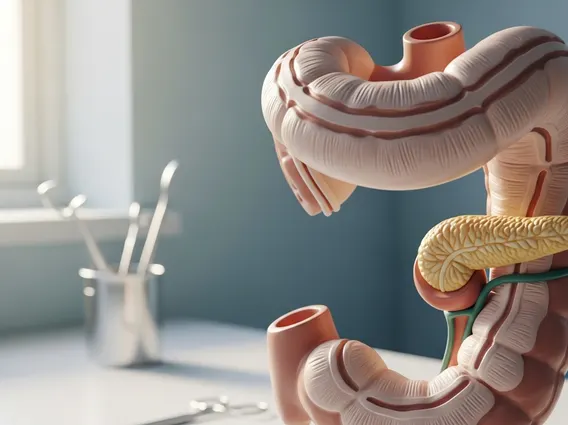
The duodenum anatomy and physiology explained reveals a complex structure optimized for its digestive tasks. It is C-shaped, curving around the head of the pancreas, and is traditionally divided into four parts:
- Superior (First) Part: Short and mobile, connecting to the stomach. It is a common site for duodenal ulcers.
- Descending (Second) Part: Receives the common bile duct and the pancreatic duct at the major duodenal papilla (ampulla of Vater), where bile and pancreatic enzymes enter.
- Horizontal (Third) Part: Crosses the inferior vena cava and aorta, connecting the descending and ascending parts.
- Ascending (Fourth) Part: Curves superiorly to join the jejunum at the duodenojejunal flexure, which is supported by the ligament of Treitz.
Physiologically, the duodenum’s inner lining is characterized by circular folds (plicae circulares), villi, and microvilli, which significantly increase its surface area for absorption. It also contains Brunner’s glands in its submucosa, which produce an alkaline mucus to help neutralize the acidic chyme entering from the stomach, protecting the duodenal wall from acid damage and optimizing the pH for pancreatic enzyme activity.
Common Conditions Affecting the Duodenum
Several common conditions affecting the duodenum can disrupt its normal function and overall digestive health. One of the most prevalent is a duodenal ulcer, an open sore that forms on the lining of the duodenum, often caused by Helicobacter pylori infection or the long-term use of nonsteroidal anti-inflammatory drugs (NSAIDs). According to the American College of Gastroenterology, peptic ulcers (which include duodenal ulcers) affect millions of people annually, with H. pylori being a major contributing factor in over 80% of cases.
Other significant conditions include duodenitis, which is inflammation of the duodenal lining, and celiac disease, an autoimmune disorder where the ingestion of gluten leads to damage in the small intestine, including the duodenum. Crohn’s disease, a type of inflammatory bowel disease, can also affect any part of the digestive tract, including the duodenum, causing inflammation, pain, and malabsorption. These conditions can manifest with symptoms such as abdominal pain, nausea, vomiting, and changes in bowel habits, highlighting the duodenum’s integral role in maintaining digestive well-being.