Ductal Intraepithelial Neoplasia
Ductal Intraepithelial Neoplasia (DIN) represents a spectrum of abnormal cell changes within the milk ducts of the breast, considered a non-invasive precursor to breast cancer. Understanding this condition is crucial for early detection and appropriate management to prevent potential progression.
Key Takeaways
- Ductal Intraepithelial Neoplasia (DIN) involves abnormal cell growth within breast ducts, categorized into low, intermediate, and high grades.
- It is a non-invasive condition, meaning the abnormal cells have not spread beyond the duct walls.
- Symptoms are rare; DIN is typically discovered incidentally during mammograms or biopsies for other concerns.
- Diagnosis relies on imaging techniques like mammography and is confirmed through biopsy.
- Treatment options range from observation for low-grade lesions to surgical excision (lumpectomy) for higher-grade or more extensive cases.
What is Ductal Intraepithelial Neoplasia?
Ductal Intraepithelial Neoplasia (DIN) refers to a condition characterized by the abnormal proliferation of cells lining the milk ducts of the breast. These cells exhibit features that are atypical but have not yet invaded the surrounding breast tissue, classifying DIN as a non-invasive or pre-invasive lesion. DIN is often considered a precursor to invasive ductal carcinoma, with the risk of progression varying based on its grade. The classification system for DIN typically ranges from DIN 1 (low-grade atypia) to DIN 3 (high-grade atypia).
Regarding ductal intraepithelial neoplasia symptoms, this condition is usually asymptomatic. It rarely causes a palpable lump, discharge, or pain. Instead, DIN is most often detected incidentally during routine mammograms, where it may appear as microcalcifications, or when a biopsy is performed for other suspicious findings in the breast. The absence of noticeable symptoms underscores the importance of regular screening mammography for early detection.
Diagnosis of Ductal Intraepithelial Neoplasia
The diagnosis of Ductal Intraepithelial Neoplasia typically begins with imaging studies that identify suspicious areas in the breast. Mammography is the primary screening tool, often revealing microcalcifications that can be indicative of DIN. Other imaging modalities such as ultrasound or magnetic resonance imaging (MRI) may also be used to further evaluate suspicious findings. However, a definitive diagnosis requires a tissue sample.
The diagnostic process usually involves:
- Mammography: Identifies suspicious microcalcifications or architectural distortions.
- Ultrasound: Used to evaluate palpable masses or areas of concern not clearly seen on mammography.
- MRI: May be utilized for further assessment in select cases, especially for extent of disease.
- Biopsy: A core needle biopsy is often performed to obtain tissue for pathological examination. If DIN is confirmed, a surgical excisional biopsy (lumpectomy) may be necessary to remove the entire lesion and ensure clear margins, providing a more comprehensive assessment.
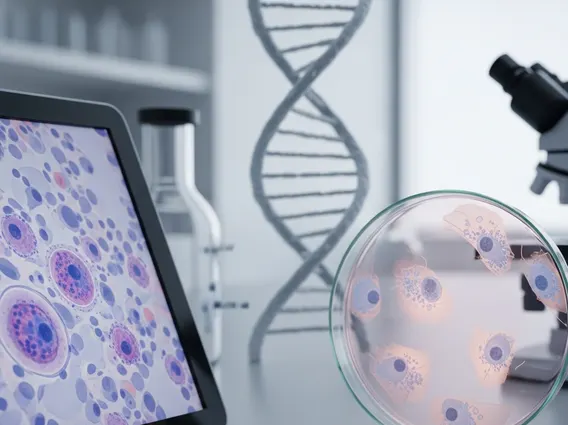
Pathologists then examine the tissue under a microscope to determine the presence, grade, and extent of the abnormal cells within the ducts.
Treatment for Ductal Intraepithelial Neoplasia
The approach to ductal intraepithelial neoplasia treatment is highly individualized, depending on factors such as the grade of DIN, its extent, and the patient’s overall health and preferences. The primary goal of treatment is to remove the abnormal cells and reduce the risk of progression to invasive breast cancer.
Common treatment strategies include:
- Surgical Excision (Lumpectomy): For higher-grade DIN (DIN 2 or 3) or extensive low-grade DIN, surgical removal of the affected breast tissue, known as a lumpectomy, is often recommended. The aim is to achieve clear margins, meaning no abnormal cells are present at the edges of the removed tissue.
- Observation: For very low-grade DIN (DIN 1) that is small and incidentally found, a “watch and wait” approach with regular monitoring may be considered, as the risk of progression is minimal.
- Radiation Therapy: In some cases, particularly after lumpectomy for high-grade DIN, radiation therapy may be recommended to further reduce the risk of recurrence in the breast.
- Endocrine Therapy: For estrogen receptor-positive DIN, medications like tamoxifen may be prescribed to reduce the risk of future breast cancer development, especially for higher-risk patients.
Patients should discuss all available options with their oncology team to determine the most appropriate and effective treatment plan.