
Ductal Carcinoma In Situ
Ductal Carcinoma In Situ (DCIS) is a common diagnosis in breast cancer screening, representing a non-invasive form of the disease. Understanding this condition is crucial for informed decision-making regarding treatment and prognosis.
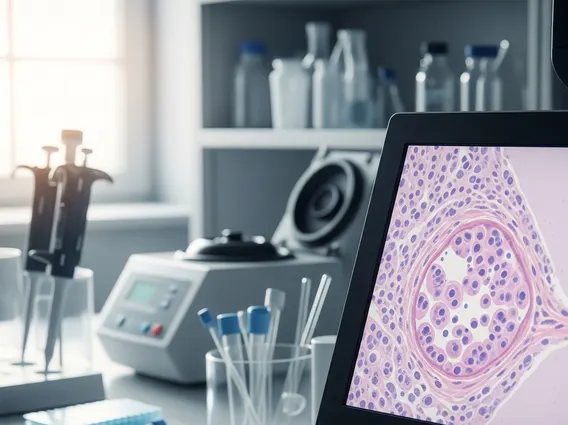
Key Takeaways
- Ductal Carcinoma In Situ (DCIS) is a non-invasive breast condition where abnormal cells are confined to the milk ducts.
- It is often detected through routine mammograms and typically presents with no noticeable symptoms.
- While not life-threatening in itself, DCIS is considered a precursor to invasive breast cancer.
- Treatment options usually include surgery (lumpectomy or mastectomy), often followed by radiation therapy and sometimes hormone therapy.
- The goal of treatment is to remove the abnormal cells and reduce the risk of future invasive cancer.
What is Ductal Carcinoma In Situ (DCIS)?
Ductal Carcinoma In Situ (DCIS) is a non-invasive condition where abnormal cells are found in the milk ducts of the breast. The term “in situ” means “in its original place,” indicating that these cells have not spread beyond the duct walls into the surrounding breast tissue. This is a critical distinction, as it means DCIS is not considered invasive breast cancer, and the abnormal cells are contained.
The DCIS breast cancer meaning refers specifically to this confinement; the cells have the potential to become invasive if left untreated, but at the point of diagnosis, they are not. According to the American Cancer Society, DCIS accounts for about 1 in 5 (20%) of all new breast cancer diagnoses, making it a relatively common finding, particularly with widespread mammography screening. While DCIS itself is not life-threatening, it is considered a pre-cancerous condition or a very early form of breast cancer, as it increases the risk of developing invasive breast cancer in the same breast later on.
Symptoms of Ductal Carcinoma In Situ
One of the defining characteristics of Ductal Carcinoma In Situ symptoms is their typical absence. Most individuals diagnosed with DCIS do not experience any noticeable signs or symptoms. This is precisely why it is so frequently detected during routine screening mammograms, which can identify calcifications or other subtle changes in breast tissue that might indicate the presence of abnormal cells.
In rare instances, DCIS may present with some physical signs, although these are far less common than asymptomatic detection. When symptoms do occur, they might include:
- A lump in the breast that can be felt.
- Nipple discharge, which may be clear or bloody.
- Changes in the nipple, such as inversion or scaling.
However, it is important to reiterate that these symptoms are more commonly associated with other breast conditions, including invasive cancer, and are rarely the primary indicator of DCIS. Therefore, regular mammography screening remains the most effective method for early detection.
Ductal Carcinoma In Situ Treatment Options
The primary goal of Ductal Carcinoma In Situ treatment options is to remove the abnormal cells and prevent their progression to invasive breast cancer. The choice of treatment depends on several factors, including the size and grade of the DCIS, its location, the patient’s overall health, and personal preferences. Common approaches include surgery, radiation therapy, and sometimes hormone therapy.
Surgical removal of the DCIS is almost always recommended. This can involve:
- Lumpectomy (Breast-Conserving Surgery): This procedure removes the DCIS and a small margin of healthy tissue around it, preserving most of the breast. It is often followed by radiation therapy to further reduce the risk of recurrence.
- Mastectomy: In cases where the DCIS is extensive, multifocal, or if a lumpectomy cannot achieve clear margins, a total mastectomy (removal of the entire breast) may be recommended. Radiation therapy is typically not needed after a mastectomy for DCIS.
Following surgery, radiation therapy may be advised, particularly after a lumpectomy, to destroy any remaining abnormal cells and lower the chance of DCIS or invasive cancer returning in the same breast. For certain types of DCIS, especially those that are hormone receptor-positive, hormone therapy (such as tamoxifen) may be prescribed for several years after surgery and radiation. This treatment aims to block the effects of estrogen, which can fuel the growth of some breast cancer cells, thereby reducing the risk of future breast cancer development in either breast.



















