DNA Intercalating Agent
A DNA intercalating agent is a type of molecule that inserts itself between the base pairs of DNA, leading to structural and functional disruptions. These agents are of significant interest in medicine, particularly in the field of oncology, due to their ability to interfere with fundamental cellular processes.
Key Takeaways
- DNA intercalating agents are compounds that insert themselves into the double helix of DNA.
- Their primary mechanism of action involves distorting DNA structure, inhibiting replication and transcription, and often inducing DNA damage.
- These agents are widely utilized in chemotherapy to target rapidly dividing cancer cells.
- Examples include doxorubicin, daunorubicin, and actinomycin D, among others.
- By disrupting DNA function, they ultimately lead to cell cycle arrest and apoptosis in susceptible cells.
What is a DNA Intercalating Agent?
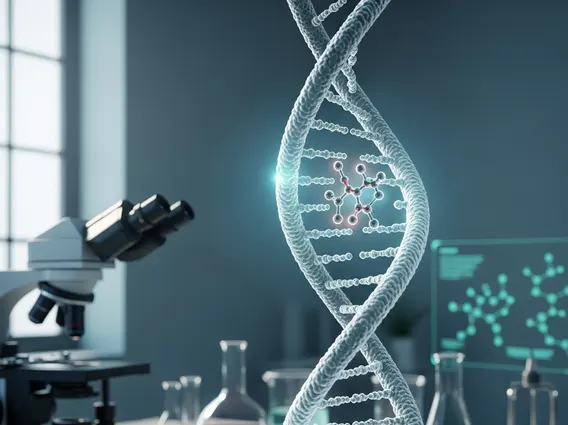
A DNA intercalating agent refers to a class of chemical compounds that possess the unique ability to insert themselves between the stacked base pairs of the DNA double helix. This process, known as intercalation, causes a physical distortion of the DNA structure. These agents are typically planar, aromatic, and heterocyclic molecules that can slide into the space created by the unwinding of the DNA helix, forming non-covalent bonds with the DNA.
The significance of these agents lies in their profound impact on DNA-dependent cellular processes. By altering the DNA’s physical properties, they can impede the normal functioning of enzymes crucial for DNA replication, transcription, and repair. This interference makes them valuable tools in various scientific and medical applications, most notably as chemotherapeutic drugs for cancer treatment.
How DNA Intercalating Agents Work: Mechanism of Action
The primary way DNA intercalating agents work involves their direct interaction with the DNA molecule. Upon entering a cell, these agents diffuse into the nucleus and insert themselves between adjacent base pairs of the DNA helix. This insertion causes a local unwinding and lengthening of the DNA, leading to a change in its pitch and overall conformation. This structural alteration is central to the DNA intercalating agents mechanism of action, disrupting several vital cellular functions.
Specifically, the intercalation process can:
- Inhibit DNA Replication: The distorted DNA template becomes difficult for DNA polymerases to read accurately, halting DNA synthesis and preventing cell division.
- Block RNA Transcription: Similarly, RNA polymerases struggle to transcribe genes from the compromised DNA template, leading to a reduction in protein synthesis.
- Interfere with Topoisomerases: Many intercalating agents also act as topoisomerase inhibitors. Topoisomerases are enzymes essential for managing DNA supercoiling during replication and transcription. By stabilizing the DNA-topoisomerase complex, these agents prevent the religation of DNA strands, leading to persistent DNA breaks.
- Induce DNA Damage: The cumulative effect of these disruptions, particularly the accumulation of DNA strand breaks, triggers cellular stress responses and can lead to programmed cell death (apoptosis), especially in rapidly dividing cells like cancer cells.
These combined effects make DNA intercalating agents potent cytotoxic agents, selectively targeting cells with high proliferative rates.
Common Examples of DNA Intercalating Agents
Several well-known drugs and compounds function as DNA intercalating agents, with many finding extensive use in chemotherapy. These agents are often derived from natural sources or are synthetic analogs designed to maximize their DNA-binding properties and cytotoxic effects. The examples of DNA intercalating agents highlight their diverse chemical structures and applications.
Some prominent examples include:
| Agent Name | Class/Origin | Primary Therapeutic Use |
|---|---|---|
| Doxorubicin | Anthracycline antibiotic | Breast, ovarian, lung, bladder cancers, lymphomas, sarcomas |
| Daunorubicin | Anthracycline antibiotic | Acute myeloid leukemia (AML), acute lymphoblastic leukemia (ALL) |
| Actinomycin D (Dactinomycin) | Peptide antibiotic | Wilms’ tumor, rhabdomyosarcoma, gestational trophoblastic disease |
| Mithramycin (Plicamycin) | Antitumor antibiotic | Testicular cancer, hypercalcemia of malignancy |
| Amsacrine | Acridine derivative | Acute myeloid leukemia (AML) |
These agents are critical components of many chemotherapy regimens, demonstrating the enduring importance of DNA intercalation as a therapeutic strategy against various cancers. Their efficacy, however, often comes with side effects due to their impact on healthy rapidly dividing cells.