Diverticulum
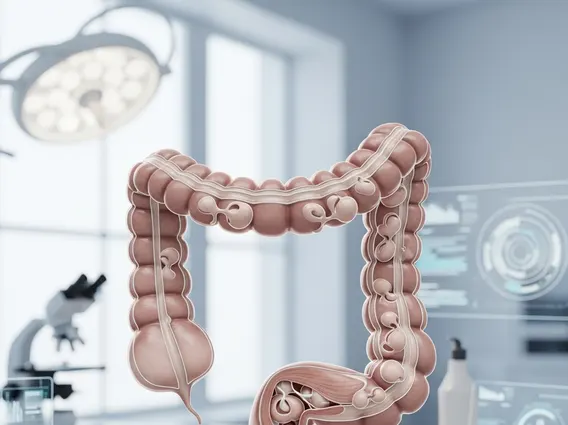
Diverticulum refers to small, bulging pouches that can form in the lining of the digestive system, most commonly in the large intestine (colon). While often harmless, these pouches can sometimes become inflamed or infected, leading to a condition known as diverticulitis.
Key Takeaways
- Diverticulum are small pouches in the digestive tract, primarily the colon, often linked to a low-fiber diet and aging.
- Many individuals with diverticulosis (the presence of diverticula) experience no symptoms, but inflammation can lead to abdominal pain, fever, and changes in bowel habits.
- Diagnosis typically involves imaging tests like CT scans, and treatment ranges from dietary changes and antibiotics to surgery for severe cases.
- A high-fiber diet, regular exercise, and adequate hydration are crucial for managing and preventing diverticular disease.
What is Diverticulum and its Causes?
Diverticulum are small, sac-like protrusions that develop in the wall of the gastrointestinal tract, most frequently in the colon. The presence of these pouches is known as diverticulosis. While the exact mechanism is not fully understood, it is believed that increased pressure within the colon, often due to straining during bowel movements, pushes through weak spots in the intestinal wall, leading to their formation.
The primary cause of diverticulum and its development is strongly associated with a low-fiber diet. A diet lacking sufficient fiber can lead to harder stools and increased pressure during defecation, contributing to the formation of these pouches. Other significant risk factors include:
- Aging: The prevalence of diverticulosis increases significantly with age. According to the National Institute of Diabetes and Digestive and Kidney Diseases (NIDDK), diverticulosis affects about 30% of adults aged 50 and older in the United States, and about 50% of those aged 60 and older.
- Obesity: Being overweight or obese is linked to a higher risk.
- Lack of Exercise: Physical inactivity can contribute to constipation and increased colonic pressure.
- Smoking: Smokers are more likely to develop diverticulitis.
- Certain Medications: Nonsteroidal anti-inflammatory drugs (NSAIDs) and steroids may increase the risk.
Genetics may also play a role, as diverticular disease can sometimes run in families.
Diverticulum Symptoms, Diagnosis, and Treatment
Many individuals with diverticulosis experience no symptoms and are unaware they have the condition. However, when one or more diverticula become inflamed or infected, it leads to a more serious condition called diverticulitis. Common diverticulum symptoms associated with diverticulitis include:
- Persistent abdominal pain, often in the lower left side
- Fever and chills
- Nausea and vomiting
- Changes in bowel habits, such as constipation or diarrhea
- Abdominal tenderness
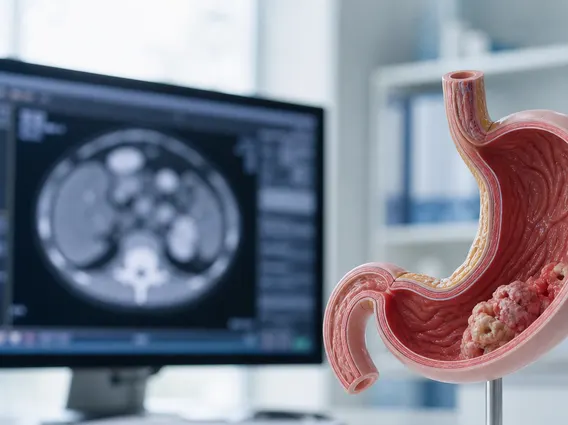
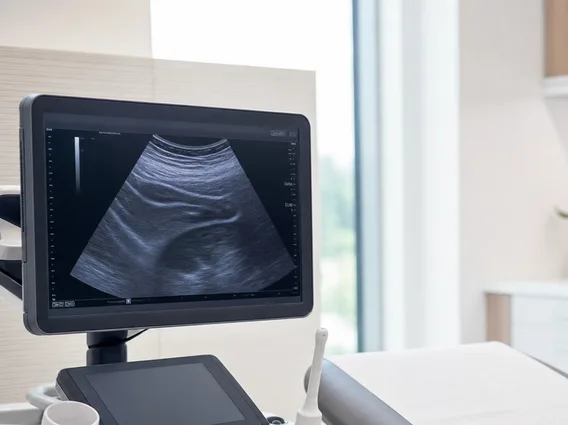
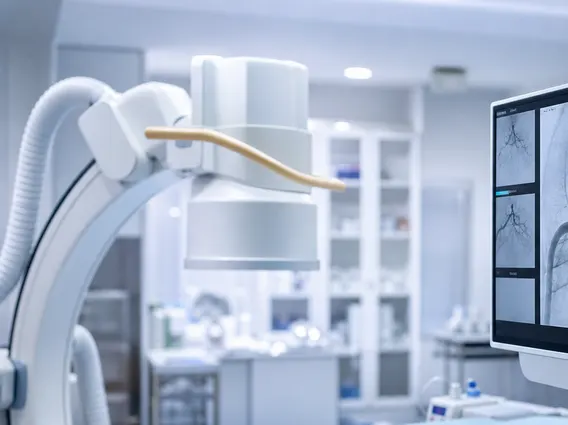
The diverticulum diagnosis typically begins with a physical examination and a review of medical history. To confirm the diagnosis and assess the severity, doctors often use imaging tests. A computed tomography (CT) scan is the most common and effective method, as it can identify inflamed pouches, abscesses, or perforations. A colonoscopy may be performed after an acute episode has resolved to examine the colon and rule out other conditions.
Understanding diverticulum treatment depends on the severity of the condition. For uncomplicated diverticulitis, treatment usually involves:
- Rest
- A liquid or low-fiber diet for a few days
- Antibiotics to clear the infection
More severe cases, such as those with abscesses, perforations, or fistulas, may require hospitalization, intravenous antibiotics, and sometimes surgical intervention to remove the affected part of the colon. Elective surgery may also be considered for individuals with recurrent episodes of diverticulitis.
Diet and Prevention Strategies for Diverticulum
Adopting a healthy diverticulum diet and lifestyle changes are crucial for both preventing the formation of diverticula and managing existing diverticulosis to avoid complications like diverticulitis. The cornerstone of dietary management is a high-fiber intake.
A high-fiber diet helps to soften stool, increase its bulk, and reduce pressure in the colon, thereby decreasing the risk of diverticula formation and inflammation. Excellent sources of dietary fiber include:
| Food Category | Examples |
|---|---|
| Whole Grains | Oats, brown rice, whole-wheat bread, quinoa |
| Fruits | Apples, pears, berries, bananas |
| Vegetables | Broccoli, spinach, carrots, leafy greens |
| Legumes | Lentils, beans, chickpeas |
In addition to diet, several prevention tips can help reduce the risk of diverticular disease and its complications:
- Stay Hydrated: Drink plenty of water throughout the day to help fiber work effectively and keep stools soft.
- Exercise Regularly: Physical activity promotes normal bowel function and reduces pressure in the colon.
- Maintain a Healthy Weight: Reducing excess weight can lower the risk of developing diverticulitis.
- Avoid Smoking: Smoking is a known risk factor for various gastrointestinal issues, including diverticular disease.
While some alternative therapies may support overall digestive health, it is important to remember that this information is supportive only and does not replace medical treatment or advice from a qualified healthcare professional.