Distal Bile Duct Cancer
Distal bile duct cancer is a rare and aggressive malignancy that originates in the lower portion of the bile duct, a tube that carries bile from the liver and gallbladder to the small intestine. Understanding this complex condition is crucial for early detection and effective management.
Key Takeaways
- Distal Bile Duct Cancer is a rare cancer affecting the lower part of the bile duct.
- Common symptoms include jaundice, abdominal pain, and unexplained weight loss.
- Causes are often unclear, but risk factors include chronic inflammation and certain liver diseases.
- Treatment typically involves surgery, often combined with chemotherapy or radiation therapy.
- Early diagnosis is vital for improving prognosis due to its aggressive nature.
What is Distal Bile Duct Cancer?
Distal Bile Duct Cancer refers to a type of cancer that forms in the cells lining the bile ducts, specifically in the segment closest to the small intestine (duodenum) and often near the head of the pancreas. This location makes it distinct from other bile duct cancers (cholangiocarcinomas) that occur higher up in the liver or at the junction of the bile ducts. These cancers are relatively rare, with an estimated incidence of 1-2 cases per 100,000 people annually in Western countries, as reported by the American Cancer Society.
Given its anatomical position, tumors in this area can often obstruct the flow of bile early in their development, leading to noticeable symptoms. However, due to the aggressive nature of the disease and its proximity to vital structures like the pancreas and major blood vessels, diagnosis can be challenging, and the cancer may have spread by the time symptoms become apparent.
Symptoms and Causes of Distal Bile Duct Cancer
Recognizing the symptoms of distal bile duct cancer symptoms is crucial for timely diagnosis. These symptoms often arise when the tumor blocks the bile duct, preventing bile from reaching the intestine. Common indicators include:
- Jaundice: Yellowing of the skin and whites of the eyes, caused by a buildup of bilirubin in the blood. This is often the earliest and most noticeable symptom.
- Dark Urine: Bile pigments excreted through the kidneys can cause urine to appear unusually dark.
- Pale or Clay-Colored Stools: Lack of bile in the intestine prevents normal stool coloration.
- Itching (Pruritus): Caused by bile salts accumulating in the skin.
- Abdominal Pain: Often felt in the upper right quadrant of the abdomen, which may radiate to the back.
- Unexplained Weight Loss: A common symptom in many cancers, often accompanied by loss of appetite.
- Fever and Chills: May indicate an infection in the bile ducts (cholangitis) due to obstruction.
The exact distal bile duct cancer causes are not fully understood, but several risk factors have been identified. These factors are generally associated with chronic inflammation or irritation of the bile ducts. Key risk factors include:
- Primary Sclerosing Cholangitis (PSC): A chronic liver disease that causes inflammation and scarring of the bile ducts.
- Choledochal Cysts: Congenital dilations of the bile ducts that can lead to chronic inflammation.
- Chronic Pancreatitis: Long-term inflammation of the pancreas, which is anatomically close to the distal bile duct.
- Liver Fluke Infections: Parasitic infections common in certain parts of Asia, though rare in Western countries.
- Exposure to Certain Chemicals: Some industrial chemicals have been linked to an increased risk.
- Obesity and Diabetes: Emerging evidence suggests these may also contribute to risk.
Treatment Options for Distal Bile Duct Cancer
The approach to distal bile duct cancer treatment is complex and typically involves a multidisciplinary team of specialists, including surgeons, oncologists, and radiation oncologists. The primary goal is to remove the tumor if possible, or to manage symptoms and improve quality of life if the cancer is advanced.
For localized distal bile duct cancer, surgical resection is often the most effective treatment option. The most common surgical procedure is the Whipple procedure (pancreaticoduodenectomy), which involves removing the head of the pancreas, the duodenum, the gallbladder, and the distal bile duct, followed by reconstruction of the digestive tract. This is a major surgery with significant risks and recovery time, but it offers the best chance for a cure.
In addition to surgery, other treatments may be used:
- Chemotherapy: Often administered before (neoadjuvant) or after (adjuvant) surgery to shrink tumors or eliminate remaining cancer cells. It can also be used for advanced cancer to control growth and symptoms.
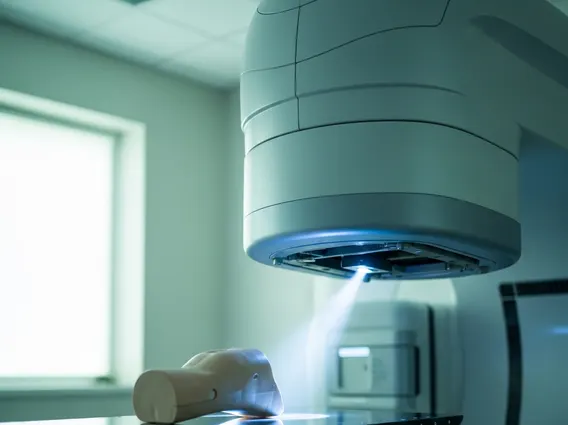
- Radiation Therapy: Uses high-energy rays to kill cancer cells. It may be used in conjunction with chemotherapy, especially in cases where the tumor cannot be completely removed surgically or to reduce the risk of recurrence.
- Palliative Care: For patients with advanced or unresectable cancer, treatment focuses on symptom management. This can include placing stents in the bile duct to relieve jaundice and itching, managing pain, and providing nutritional support to improve comfort and quality of life.
Clinical trials are also an important option for some patients, offering access to new and experimental treatments that may not yet be widely available. The choice of treatment depends on various factors, including the stage of the cancer, the patient’s overall health, and their preferences.