
External Radiation Therapy
External Radiation Therapy is a common and effective cancer treatment method that uses high-energy rays to target and destroy cancer cells. This article will explore the fundamentals of this therapy, its treatment process, and strategies for managing potential side effects.
Key Takeaways
- External Radiation Therapy uses high-energy beams to precisely target and destroy cancer cells while minimizing damage to healthy tissue.
- The treatment involves a multi-step process, including simulation, planning, and daily treatment sessions delivered by a linear accelerator.
- Treatment plans are highly individualized, considering cancer type, stage, and patient health.
- Common side effects are usually localized and temporary, often managed with medication and supportive care.
- Open communication with the healthcare team is crucial for managing side effects and ensuring optimal treatment outcomes.
What is External Radiation Therapy?
What is External Radiation Therapy is a type of cancer treatment that uses high-energy radiation from a machine outside the body to precisely target and destroy cancer cells. This method is widely utilized for various cancer types, either as a primary treatment, to shrink tumors before surgery, to destroy remaining cancer cells after surgery, or to alleviate symptoms like pain. According to the American Cancer Society, over half of all cancer patients receive some form of radiation therapy during their treatment journey, highlighting its critical role in oncology. The goal is to deliver a high dose of radiation to the tumor while minimizing exposure to surrounding healthy tissues, thereby reducing potential damage and side effects.
External Beam Radiation: Treatment Process
The external beam radiation treatment process is a carefully planned and executed procedure designed to maximize effectiveness and minimize harm. It typically begins with a simulation phase, where the patient undergoes imaging scans (like CT, MRI, or PET) to precisely map the tumor’s location and surrounding organs. This data is then used by a radiation oncologist and a medical physicist to create a personalized treatment plan, determining the exact angles, shapes, and intensity of the radiation beams. This intricate planning ensures the precision of how external beam radiation works, tailoring it to each individual’s unique anatomy and cancer characteristics.
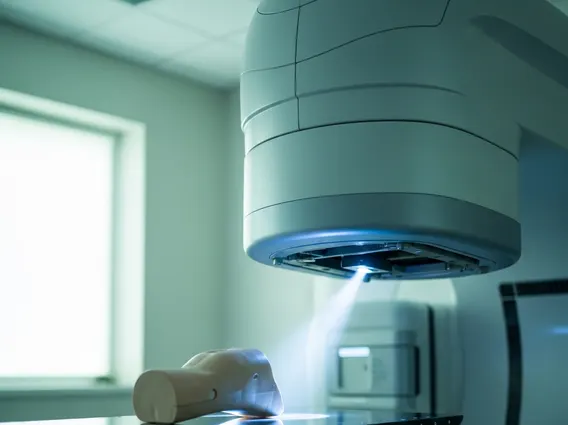
During the actual treatment, patients lie on a treatment table, and a machine called a linear accelerator (LINAC) delivers the radiation. The LINAC moves around the patient, delivering radiation from various angles without touching them. Each session is usually short, lasting only a few minutes, although the entire setup process can take longer. Treatments are typically given five days a week for several weeks, depending on the type and stage of cancer. Throughout the process, the healthcare team monitors the patient closely, making adjustments as needed to ensure accuracy and comfort.
Managing External Radiation Therapy Side Effects
While highly effective, external radiation therapy side effects are a common concern for patients. These side effects are generally localized to the treated area and can vary significantly depending on the part of the body being treated, the radiation dose, and the individual’s overall health. Most side effects are temporary and resolve within weeks or months after treatment concludes.
Common side effects may include:
- Skin changes: Redness, dryness, itching, blistering, or peeling in the treated area, similar to a sunburn.
- Fatigue: A pervasive feeling of tiredness that can range from mild to severe.
- Hair loss: Only in the treated area, and it may be temporary or permanent depending on the dose.
- Localized symptoms: For example, difficulty swallowing (head and neck radiation), nausea/diarrhea (abdominal radiation), or urinary changes (pelvic radiation).
Managing these side effects is an integral part of the treatment journey. Patients are encouraged to communicate openly with their healthcare team, who can provide strategies and medications to alleviate discomfort. This might include using specialized skin creams, anti-nausea medications, pain relievers, or dietary adjustments. Resting adequately, maintaining good nutrition, and staying hydrated are also crucial for supporting the body’s healing process. It is important to remember that any complementary therapies should only be used as supportive measures and do not replace prescribed medical treatment.



















