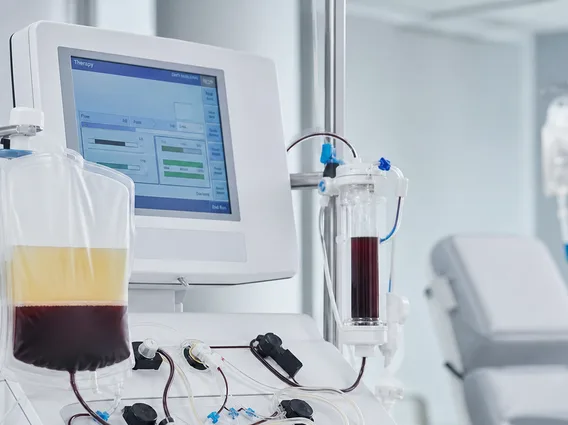
Extracorporeal Photopheresis
Extracorporeal photopheresis (ECP) is a specialized therapeutic procedure used to treat certain diseases by modifying a patient’s white blood cells outside the body before returning them. This advanced therapy leverages a combination of apheresis and photoactivation to modulate the immune system.

Key Takeaways
- Extracorporeal photopheresis is an immunomodulatory therapy involving the extraction, treatment, and reinfusion of a patient’s white blood cells.
- The procedure involves separating white blood cells, treating them with a photosensitizing agent (psoralen), exposing them to ultraviolet A (UVA) light, and then returning them to the patient.
- ECP is primarily used for conditions such as cutaneous T-cell lymphoma (CTCL), graft-versus-host disease (GVHD), and certain autoimmune disorders.
- The therapy aims to induce immunologic tolerance or reduce pathogenic immune responses.
- While generally well-tolerated, potential side effects can include temporary dizziness, fatigue, and blood pressure changes during the procedure.
What is Extracorporeal Photopheresis?
What is Extracorporeal Photopheresis refers to a sophisticated medical treatment that involves selectively removing a patient’s white blood cells, treating them with a photosensitizing drug, exposing them to ultraviolet A (UVA) light, and then reinfusing them back into the patient. This process aims to modulate the immune system, making it less reactive or more tolerant. The term “extracorporeal” signifies that a part of the treatment occurs outside the body, while “photopheresis” combines the concepts of light (photo) and removal/separation (pheresis).
This therapy is a form of apheresis, a medical procedure that separates blood components. In ECP, the specific target is the leukocyte (white blood cell) fraction, which is crucial for immune responses. The treated cells, when reinfused, are believed to trigger an immune response that targets and eliminates harmful immune cells, or to induce regulatory T-cells that promote immune tolerance. While specific global statistics on ECP usage are complex to track due to its specialized nature and varying indications, its efficacy is well-documented in clinical guidelines, such as those published by the American Society for Apheresis (ASFA), which regularly updates its recommendations for therapeutic apheresis procedures.
Procedure, Uses, and Indications
The extracorporeal photopheresis procedure typically involves several steps, performed over a few hours. First, blood is drawn from the patient, usually through a peripheral vein or a central venous catheter. An apheresis machine then separates the blood components, isolating the white blood cells. The red blood cells and plasma are immediately returned to the patient. The isolated white blood cells are then mixed with a photosensitizing agent, 8-methoxypsoralen (8-MOP), which makes them sensitive to UVA light.
Following the psoralen treatment, these white blood cells are exposed to UVA light within the apheresis system. This photoactivation step modifies the DNA of the treated cells, leading to their apoptosis (programmed cell death) upon reinfusion. The treated cells are then returned to the patient. The entire process is usually performed in cycles, often over two consecutive days, and repeated at regular intervals depending on the patient’s condition and response to therapy.
The primary extracorporeal photopheresis uses and indications include a range of immune-mediated disorders. It is particularly effective in conditions where the immune system is overactive or misdirected. Key indications include:
- Cutaneous T-cell Lymphoma (CTCL): ECP is a standard treatment for advanced stages of CTCL, a type of non-Hodgkin lymphoma affecting the skin.
- Graft-versus-Host Disease (GVHD): Both acute and chronic forms of GVHD, a serious complication following allogeneic hematopoietic stem cell transplantation, are often managed with ECP.
- Solid Organ Transplant Rejection: ECP can be used in cases of refractory acute or chronic rejection following heart, lung, or kidney transplantation.
- Autoimmune Diseases: In some instances, ECP may be considered for severe or refractory autoimmune conditions, such as systemic sclerosis or Crohn’s disease, particularly when other treatments have failed.
These applications highlight ECP’s role in modulating immune responses to achieve therapeutic benefits.
Potential Side Effects
While generally considered safe and well-tolerated, like any medical procedure, there are potential extracorporeal photopheresis side effects. Most adverse events are mild and transient. Patients may experience temporary symptoms related to the apheresis process itself, such as dizziness, lightheadedness, or a drop in blood pressure, which can occur due to fluid shifts or citrate anticoagulation used in the machine. Fatigue is also commonly reported after a treatment session.
Other potential side effects include:
- Skin Sensitivity: Due to the photosensitizing agent, patients are advised to avoid direct sunlight exposure for at least 24 hours after treatment to prevent phototoxic reactions.
- Vascular Access Issues: As the procedure requires venous access, there is a risk of bruising, bleeding, or infection at the access site, or complications related to central venous catheters if used.
- Nausea: Some patients may experience mild nausea during or after the procedure.
- Fever: A low-grade fever can occasionally occur post-treatment.
Serious side effects such as severe allergic reactions to the photosensitizing agent or significant cardiovascular events are rare. Patients are closely monitored throughout the procedure by trained healthcare professionals to manage any adverse reactions promptly. The benefits of ECP in treating severe immune-mediated conditions often outweigh these potential risks, making it a valuable therapeutic option for selected patients.