Digital Rectal Examination
A Digital Rectal Examination (DRE) is a common, quick, and relatively simple physical examination used to assess the lower rectum, anus, and other nearby organs. It serves as an important diagnostic tool in various medical contexts, particularly for screening and detecting abnormalities.
Key Takeaways
- A Digital Rectal Examination (DRE) is a physical exam where a doctor manually checks the rectum and surrounding structures.
- The primary purpose of a DRE is to detect abnormalities such as lumps, tenderness, or changes in organ size and texture.
- The procedure is quick, involves minimal discomfort, and is performed in a doctor’s office.
- DRE is a component of screening for prostate cancer, often used alongside PSA blood tests.
- While useful, DRE has limitations and abnormal findings typically require further diagnostic testing.
What is a Digital Rectal Examination (DRE)?
A Digital Rectal Examination (DRE) is a routine physical examination where a healthcare provider inserts a gloved, lubricated finger into the rectum to feel for abnormalities. This examination allows the doctor to assess the texture, size, and shape of organs and structures that are accessible through the rectal wall. It is a fundamental part of a comprehensive physical assessment, providing valuable insights into the health of the lower gastrointestinal tract and adjacent reproductive organs.
The DRE is a non-invasive screening tool that can help identify potential issues that might otherwise go unnoticed. It is often performed during routine check-ups, especially for men over a certain age and for individuals experiencing specific symptoms such as changes in bowel habits, rectal bleeding, or pelvic pain.
Purpose and Procedure of a Digital Rectal Examination
The purpose of a digital rectal exam is multifaceted, primarily involving the detection of abnormalities in the rectum, anus, and adjacent organs like the prostate gland in men or the uterus and ovaries in women (though less commonly for female reproductive organs). It can help identify hemorrhoids, anal fissures, polyps, and tumors, as well as assess muscle tone of the anal sphincter.
The digital rectal exam procedure is typically performed in a doctor’s office and takes only a few minutes. The patient is usually asked to lie on their side with knees drawn towards the chest, or to stand and lean forward over an examination table. The doctor will then:
- Apply a lubricating gel to a gloved finger.
- Gently insert the finger into the rectum.
- Carefully feel the inner surfaces of the rectum and any nearby structures for:
- Unusual growths or lumps.
- Areas of tenderness or pain.
- Changes in the size, shape, or consistency of the prostate gland (in men).
- Presence of blood or mucus.
- Withdraw the finger and examine it for any traces of blood or other abnormalities.
While some patients may experience slight discomfort or a sensation of needing to have a bowel movement, the procedure is generally not painful and is over quickly.
Digital Rectal Examination for Prostate Cancer
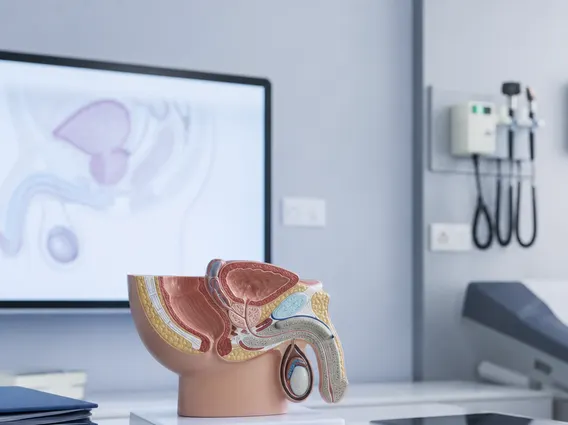
The digital rectal exam for prostate cancer screening is a crucial component of early detection strategies, particularly for men. During the DRE, the healthcare provider can feel the posterior surface of the prostate gland, which lies just in front of the rectum. They can assess its size, shape, and consistency. A healthy prostate typically feels smooth and rubbery. Findings such as hard areas, lumps, or an enlarged, firm prostate can indicate potential issues, including benign prostatic hyperplasia (BPH) or prostate cancer.
It is important to note that DRE is often used in conjunction with a prostate-specific antigen (PSA) blood test for more comprehensive screening. While DRE can detect some prostate cancers, especially those located on the posterior aspect of the gland, it cannot detect all cancers. For instance, according to the American Cancer Society, DRE may detect about 1 in 4 prostate cancers that are missed by PSA testing alone, and vice versa. Therefore, combining both tests enhances the chances of early detection. If an abnormality is found during a DRE, further diagnostic tests, such as a biopsy, are usually recommended to confirm a diagnosis.