Digital Image Analysis
Digital Image Analysis is a sophisticated field that applies computational methods to extract meaningful information from medical images. This process is vital for enhancing diagnostic accuracy, improving treatment planning, and advancing medical research across various disciplines.
Key Takeaways
- Digital Image Analysis involves using computers to process and interpret medical images for quantitative and qualitative insights.
- The process typically includes image acquisition, pre-processing, segmentation, feature extraction, and classification.
- Key digital image analysis techniques include enhancement, noise reduction, thresholding, and advanced machine learning algorithms.
- The applications of digital image analysis are extensive, particularly in oncology, neurology, cardiology, and pathology.
- This technology significantly aids in early disease detection, precise diagnosis, and personalized treatment strategies.
What is Digital Image Analysis?
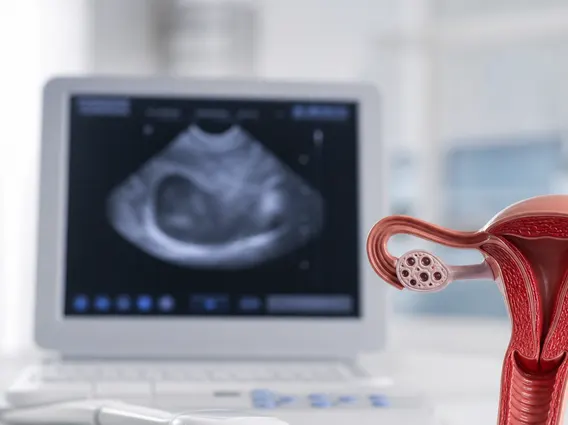
Digital Image Analysis refers to the quantitative and qualitative evaluation of medical images using computational methods. It transforms raw image data, obtained from various medical imaging modalities like X-rays, CT scans, MRIs, and ultrasounds, into objective and measurable information. This analytical approach helps clinicians and researchers identify patterns, detect abnormalities, measure structures, and track changes over time with a level of precision often unattainable through manual visual inspection alone. By automating and standardizing image interpretation, Digital Image Analysis plays a crucial role in improving diagnostic consistency and efficiency in clinical settings.
Principles and Techniques of Digital Image Analysis
Digital Image Analysis operates by processing medical images through a series of computational steps to extract relevant information. Initially, images acquired from modalities such as MRI, CT, or ultrasound undergo pre-processing to enhance quality, reduce noise, and correct for artifacts. This is followed by segmentation, where specific regions of interest, like tumors, organs, or blood vessels, are isolated from the rest of the image. Features such as size, shape, texture, and intensity are then extracted from these segmented regions. Finally, these features are analyzed, often using advanced algorithms, to provide quantitative data or aid in diagnosis and prognosis.
Various digital image analysis techniques are employed to achieve these objectives, each tailored to specific analytical needs. These techniques often include:
- Image Enhancement: Adjusting brightness, contrast, and sharpness to improve visual clarity.
- Noise Reduction: Applying filters to remove random variations in image intensity that can obscure details.
- Segmentation: Isolating specific objects or regions of interest from the background, often using thresholding, region growing, or edge detection algorithms.
- Feature Extraction: Quantifying characteristics of segmented regions, such as area, perimeter, shape descriptors, and texture metrics.
- Classification and Machine Learning: Using algorithms (e.g., deep learning, support vector machines) to categorize images or regions based on extracted features, aiding in automated diagnosis or prognosis.
Applications of Digital Image Analysis in Medicine
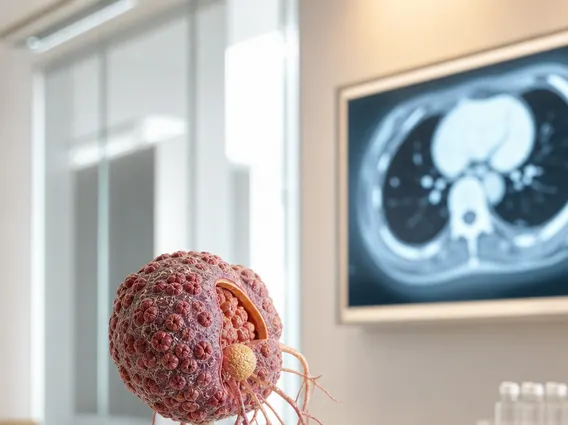
The applications of digital image analysis are vast and continue to expand within the medical field, revolutionizing diagnostic capabilities and treatment planning. In oncology, it is indispensable for early tumor detection, precise tumor staging, monitoring treatment response, and assessing recurrence. For instance, it can accurately measure tumor volume changes over time, providing objective data for therapeutic efficacy. In neurology, Digital Image Analysis assists in quantifying brain atrophy in neurodegenerative diseases like Alzheimer’s, identifying lesions in multiple sclerosis, and analyzing stroke damage. Similarly, in cardiology, it helps assess cardiac function, measure vessel stenosis, and detect myocardial infarction.
Beyond these areas, Digital Image Analysis is transforming digital pathology by enabling automated analysis of tissue slides for cell counting, mitotic activity assessment, and biomarker expression quantification. It also plays a critical role in ophthalmology for detecting diseases like diabetic retinopathy and glaucoma through retinal image analysis. According to the World Health Organization (WHO), advanced imaging techniques, often leveraging digital image analysis, are crucial in early disease detection and management, significantly improving patient outcomes across various health conditions.