Digestion
Digestion is a fundamental biological process that converts food into energy and nutrients the body needs to function. This intricate system ensures that ingested food is broken down, absorbed, and utilized, playing a critical role in overall health and well-being.
Key Takeaways
- Digestion is the process of breaking down food into absorbable nutrients and energy.
- The human digestive system involves multiple organs working sequentially from mouth to anus.
- It encompasses both mechanical and chemical breakdown of food.
- Nutrient absorption primarily occurs in the small intestine.
- Certain foods, rich in fiber and probiotics, can significantly support digestive health.
What is Digestion?
Digestion refers to the complex physiological process by which the body breaks down food into smaller molecules that can be absorbed and used for energy, growth, and repair. This vital process involves both mechanical actions, such as chewing and churning, and chemical reactions, facilitated by enzymes, that break down complex carbohydrates, proteins, and fats into simpler forms. The efficiency of digestion directly impacts nutrient absorption and overall bodily function. According to the World Health Organization (WHO), proper nutrition, which relies heavily on effective digestion, is a cornerstone of health and development, contributing to stronger immune systems, safer pregnancy and childbirth, lower risk of non-communicable diseases, and longevity.
How Does the Human Digestive System Work?
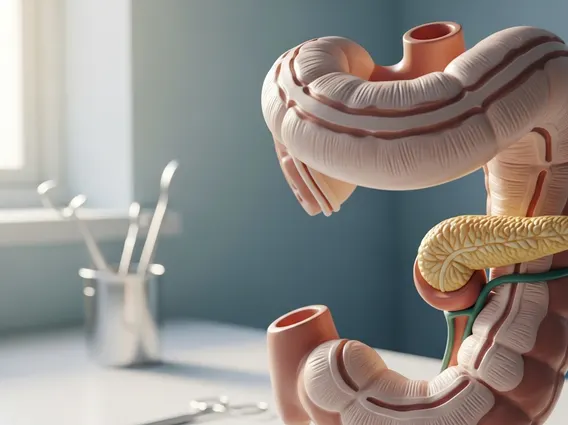
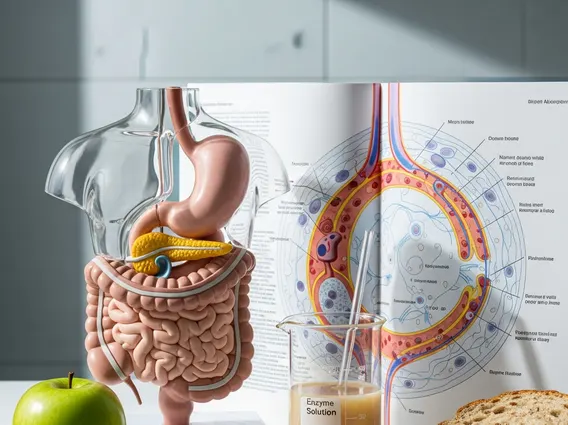
The human digestive system is an elaborate network of organs that work in concert to process food. The journey begins in the mouth, where food is mechanically broken down by chewing and mixed with saliva, initiating chemical digestion of carbohydrates. From there, food travels down the esophagus to the stomach, a muscular organ that churns food and mixes it with gastric acids and enzymes, primarily breaking down proteins.
The partially digested food, now called chyme, then moves into the small intestine, which is the primary site for nutrient absorption. Here, bile from the liver and enzymes from the pancreas further break down fats, carbohydrates, and proteins. The inner lining of the small intestine, covered in tiny finger-like projections called villi, maximizes the surface area for efficient absorption of nutrients into the bloodstream. Finally, any undigested material and water pass into the large intestine. This organ absorbs remaining water and electrolytes, forming stool, which is then eliminated from the body. This intricate sequence is meticulously regulated by hormones and nerves, ensuring optimal nutrient extraction and waste removal.
Foods That Aid Digestion
Incorporating specific foods into your diet can significantly support digestive health and enhance the efficiency of the digestive system. These foods often provide essential nutrients, fiber, and beneficial microorganisms that contribute to a healthy gut environment.
Here are some categories of foods that aid digestion:
- Fiber-Rich Foods: Dietary fiber adds bulk to stool, facilitating its smooth passage through the intestines and preventing constipation. Good sources include whole grains (oats, brown rice), fruits (apples, berries), vegetables (broccoli, spinach), and legumes (lentils, beans).
- Probiotic Foods: These foods contain live beneficial bacteria that can help maintain a healthy balance of gut flora. Examples include yogurt, kefir, sauerkraut, kimchi, and other fermented foods.
- Prebiotic Foods: Prebiotics are non-digestible food ingredients that stimulate the growth and activity of beneficial bacteria in the colon. Onions, garlic, bananas, and asparagus are excellent sources.
- Lean Proteins: Proteins from sources like fish, poultry, and lean meats are generally easier to digest compared to high-fat alternatives.
- Healthy Fats: While excessive fat can slow digestion, healthy fats from avocados, nuts, and olive oil are crucial for nutrient absorption and overall gut health.
Consuming a balanced diet rich in these elements can help prevent common digestive issues and promote a robust digestive system. This information is supportive only and does not replace medical treatment or advice from a healthcare professional.