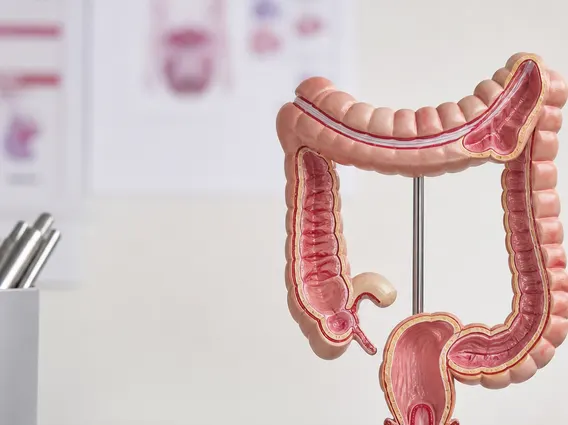
Colorectal Adenoma
Colorectal Adenoma refers to a type of polyp that forms on the inner lining of the colon or rectum. While not cancerous initially, these growths are considered precancerous and have the potential to develop into colorectal cancer over time if left untreated.
Key Takeaways
- Colorectal adenomas are precancerous polyps in the colon or rectum that can evolve into cancer.
- Risk factors include age, genetics, diet, and lifestyle choices.
- Many adenomas are asymptomatic, but some may cause rectal bleeding or changes in bowel habits.
- Diagnosis primarily relies on colonoscopy, which also allows for immediate removal.
- Early detection and removal through screening are crucial for preventing colorectal cancer.
What is Colorectal Adenoma?
A Colorectal Adenoma is a benign growth that originates from the glandular tissue lining the large intestine (colon and rectum). These polyps are significant because they are the most common precursor to colorectal cancer. Not all polyps are adenomas; some are hyperplastic polyps, which generally have no malignant potential. Adenomas, however, are characterized by abnormal cell growth and architectural changes, making them a critical focus in cancer prevention.
The progression from an adenoma to invasive cancer is typically a slow process, often taking 10 to 15 years. This extended timeline provides a valuable window for detection and removal through regular screening. According to the Centers for Disease Control and Prevention (CDC), colorectal cancer is the third most common cancer diagnosed in both men and women in the United States, and screening for and removing adenomas significantly reduces this risk.
Causes and Symptoms of Colorectal Adenoma
The development of colorectal adenoma causes is multifactorial, involving a combination of genetic predisposition and environmental factors. Key risk factors include increasing age (especially over 50), a personal or family history of adenomas or colorectal cancer, and certain inherited genetic syndromes like Familial Adenomatous Polyposis (FAP) or Lynch syndrome. Lifestyle factors also play a significant role, such as a diet high in red and processed meats, obesity, physical inactivity, smoking, and heavy alcohol consumption.
Many individuals with colorectal adenoma symptoms experience no noticeable signs, especially in the early stages, which underscores the importance of routine screening. When symptoms do occur, they are often subtle and can include:
- Rectal bleeding (bright red blood on stool or toilet paper)
- Changes in bowel habits (e.g., persistent diarrhea or constipation)
- Abdominal discomfort or pain
- Unexplained iron-deficiency anemia (due to slow, chronic blood loss)
- Feeling of incomplete bowel emptying
It is important to note that these symptoms can also be indicative of other, less serious conditions. However, any persistent symptoms warrant medical evaluation.
Colorectal Adenoma: Diagnosis and Treatment
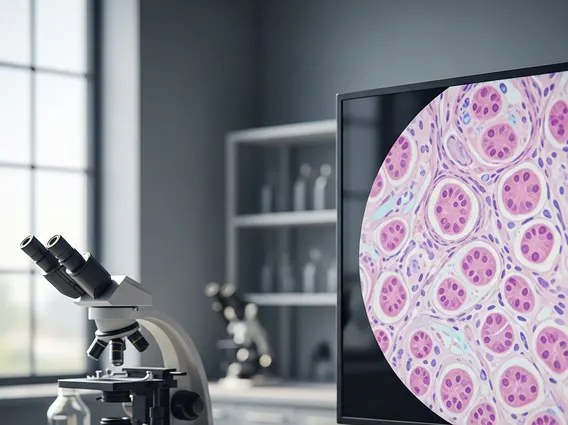
The primary method for colorectal adenoma diagnosis and treatment is a colonoscopy. During this procedure, a flexible tube with a camera is inserted into the rectum and advanced through the colon, allowing the gastroenterologist to visualize the entire lining. If polyps are found, they can often be removed immediately during the same procedure, a process known as polypectomy. The removed tissue is then sent to a pathology lab for microscopic examination to determine if it is an adenoma and to assess its characteristics, such as size and degree of dysplasia.
Other diagnostic methods may include sigmoidoscopy (examining only the lower part of the colon), stool-based tests (which detect blood or abnormal DNA), or CT colonography (a virtual colonoscopy). However, if these tests suggest the presence of polyps, a full colonoscopy is typically recommended for confirmation and removal. Following the removal of an adenoma, surveillance colonoscopies are recommended at regular intervals, typically every 3 to 5 years, depending on the number, size, and type of adenomas found, to monitor for new growths.