Colorectal
The term Colorectal refers to the colon and rectum, which are vital components of the human digestive system. Understanding the anatomy and common conditions affecting this area is crucial for maintaining overall health and preventing serious diseases.
Key Takeaways
- The colorectal system comprises the colon and rectum, responsible for water absorption and waste elimination.
- Colorectal cancer is a significant health concern, often developing from precancerous polyps.
- Symptoms of colorectal cancer can include changes in bowel habits, blood in stool, and abdominal discomfort.
- Regular screening, such as colonoscopies, is essential for early detection and preventing colorectal disease.
- A healthy lifestyle, including diet and exercise, plays a key role in promoting good colorectal health information.
What is Colorectal: Anatomy and Common Conditions
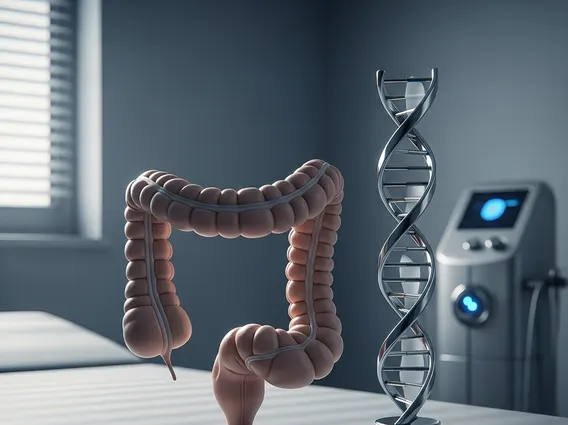
The term Colorectal specifically denotes the large intestine, which consists of the colon and the rectum. The colon is a long, coiled tube that absorbs water and nutrients from digested food, forming stool. The rectum is the final section of the large intestine, connecting the colon to the anus, where stool is stored before elimination. Together, these organs play a critical role in digestion and waste removal.
Several common conditions can affect the colorectal system, ranging from mild to severe. These include inflammatory bowel diseases like Crohn’s disease and ulcerative colitis, diverticulitis (inflammation of small pouches in the colon), and hemorrhoids. Awareness of these conditions, along with general colorectal health information, is important for early intervention and management.
Colorectal Cancer: Symptoms, Causes, and Diagnosis
Colorectal cancer is a type of cancer that begins in the colon or rectum. It often starts as small, noncancerous (benign) clumps of cells called polyps that form on the inside of the colon. Over time, some of these polyps can become cancerous. According to the World Health Organization (WHO), colorectal cancer is the third most common cancer globally and the second leading cause of cancer-related deaths.
Understanding colorectal cancer symptoms causes is vital for early detection. Symptoms can vary and often do not appear until the disease has advanced, which is why screening is so important. Common symptoms may include:
- Changes in bowel habits (diarrhea, constipation, or narrowing of the stool) lasting for more than a few days.
- Rectal bleeding or blood in the stool.
- Persistent abdominal discomfort, such as cramps, gas, or pain.
- A feeling that the bowel doesn’t empty completely.
- Weakness or fatigue.
- Unexplained weight loss.
Risk factors for colorectal cancer include older age, a personal or family history of colorectal polyps or cancer, inflammatory bowel disease, certain inherited syndromes, a diet low in fiber and high in red/processed meats, obesity, physical inactivity, smoking, and heavy alcohol use. Diagnosis typically involves a colonoscopy, which allows doctors to visualize the colon and rectum and take biopsies of suspicious areas for pathological examination.
Preventing Colorectal Disease: Screening and Healthy Lifestyle
Effective strategies for preventing colorectal disease, particularly colorectal cancer, focus on regular screening and adopting a healthy lifestyle. Screening tests can find precancerous polyps so they can be removed before they turn into cancer, or find cancer early when it is most treatable.
The Centers for Disease Control and Prevention (CDC) recommends that individuals at average risk begin colorectal cancer screening at age 45. Screening options include:
| Screening Method | Description | Frequency (Average Risk) |
|---|---|---|
| Colonoscopy | A procedure where a doctor uses a flexible tube with a camera to examine the entire colon and rectum. | Every 10 years |
| Stool-based tests | Tests that check for blood or abnormal DNA in stool samples. | Annually (FIT) or Every 1-3 years (FIT-DNA) |
| CT Colonography (Virtual Colonoscopy) | Uses X-rays and a computer to create images of the colon and rectum. | Every 5 years |
Beyond screening, lifestyle modifications play a crucial role in prevention. Maintaining a diet rich in fruits, vegetables, and whole grains, and low in red and processed meats, can significantly reduce risk. Regular physical activity, maintaining a healthy weight, limiting alcohol consumption, and avoiding smoking are also key preventive measures. These combined approaches offer the best defense against colorectal diseases.