Cervical Squamous Intraepithelial Neoplasia 2 3
Cervical Squamous Intraepithelial Neoplasia 2 3 refers to moderate to severe abnormal cell changes on the surface of the cervix. This condition is a precursor to cervical cancer, making early detection and appropriate management crucial for preventing disease progression.
Key Takeaways
- Cervical Squamous Intraepithelial Neoplasia 2 3 (CIN 2/3) involves significant precancerous changes in cervical cells, indicating a higher risk of developing cervical cancer.
- The primary cause of CIN 2/3 is persistent infection with high-risk types of the human papillomavirus (HPV).
- CIN 2/3 typically presents with no noticeable symptoms and is usually detected through routine Pap tests followed by colposcopy and biopsy.
- Treatment options, such as LEEP or cone biopsy, aim to remove the abnormal cells and prevent progression to invasive cancer.
- Regular follow-up and monitoring are essential after treatment to ensure the condition does not recur.
What is Cervical Squamous Intraepithelial Neoplasia 2 3 (CIN 2/3)?
Cervical Squamous Intraepithelial Neoplasia 2 3 (CIN 2/3) is a classification used to describe moderate to severe precancerous changes in the squamous cells lining the cervix. These changes are not cancer but indicate a significant risk that, if left untreated, they could progress to invasive cervical cancer over time. The term “intraepithelial” signifies that the abnormal cells are confined to the surface layer of the cervix and have not invaded deeper tissues. The grading system, where 2 represents moderate dysplasia and 3 represents severe dysplasia or carcinoma in situ, reflects the extent of abnormal cell involvement within the cervical epithelium. Understanding what is cervical intraepithelial neoplasia 2 3 is vital for patients and healthcare providers alike, as it guides subsequent diagnostic and therapeutic decisions.
The development of CIN 2/3 is almost exclusively linked to persistent infection with high-risk types of the human papillomavirus (HPV). HPV is a very common sexually transmitted infection, and while most infections clear on their own, persistent infection with certain types, particularly HPV-16 and HPV-18, can lead to cellular changes that may progress to CIN 2/3 and, eventually, cancer. According to the World Health Organization (WHO), virtually all cases of cervical cancer (99%) are linked to high-risk HPV infection.
Symptoms, Causes, and Diagnosis of CIN 2/3
One of the most important aspects of CIN 2 3 symptoms causes and treatment is recognizing that CIN 2/3 typically does not cause any noticeable symptoms. This asymptomatic nature underscores the critical importance of regular cervical cancer screening, such as Pap tests, for early detection. When symptoms do occur, they are often non-specific and may include abnormal vaginal bleeding (after intercourse, between periods, or post-menopause) or unusual vaginal discharge, though these are more commonly associated with more advanced cervical changes or other gynecological conditions.
The primary cause of CIN 2/3 is persistent infection with high-risk human papillomavirus (HPV). While HPV infection is common, certain factors can increase the risk of persistent infection and subsequent development of CIN 2/3. These include:
- Early age at first sexual intercourse
- Multiple sexual partners
- A weakened immune system (e.g., due to HIV infection or immunosuppressant medications)
- Smoking
- Long-term use of oral contraceptives
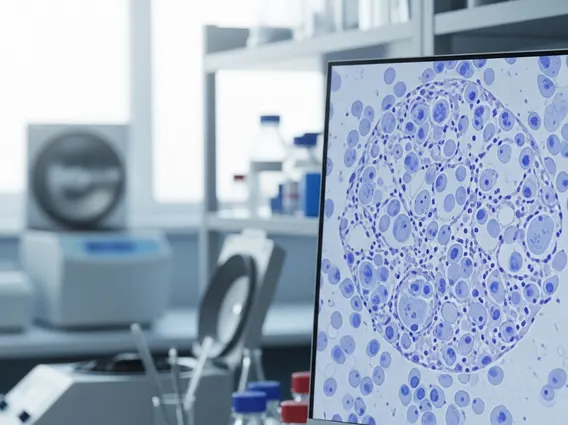
The Cervical dysplasia grade 2 3 diagnosis process typically begins with an abnormal Pap test result, which indicates the presence of atypical cells. If a Pap test shows abnormalities, further diagnostic steps are usually recommended. These include a colposcopy, where a magnified view of the cervix allows the healthcare provider to identify abnormal areas. During colposcopy, biopsies are often taken from suspicious areas. These tissue samples are then examined under a microscope by a pathologist to confirm the diagnosis of CIN 2/3 and rule out invasive cancer.
Treatment and Management for Cervical Dysplasia Grade 2/3
The goal of treatment for Cervical Squamous Intraepithelial Neoplasia 2 3 is to remove the abnormal cells and prevent their progression to invasive cervical cancer. Several effective treatment modalities are available, chosen based on factors such as the size and location of the lesion, the patient’s age, and future fertility desires. Common procedures include:
| Treatment Method | Description |
|---|---|
| Loop Electrosurgical Excision Procedure (LEEP) | A thin wire loop heated by electric current is used to remove the abnormal tissue. This is a common and highly effective outpatient procedure. |
| Cold Knife Cone Biopsy | A surgical scalpel is used to remove a cone-shaped piece of tissue from the cervix. This method is often used for larger lesions, when LEEP is not feasible, or when cancer cannot be ruled out. |
| Cryotherapy | Abnormal cells are frozen and destroyed using a very cold probe. While less common for CIN 2/3 due to lower efficacy compared to LEEP, it may be considered in specific cases. |
Following treatment, careful CIN 2 3 prognosis and management are essential. Patients require regular follow-up appointments, which typically include repeat Pap tests and HPV co-testing, and sometimes colposcopy, to ensure that all abnormal cells have been removed and that the condition has not recurred. The prognosis for CIN 2/3 is generally excellent with appropriate treatment and follow-up, with a high success rate in preventing progression to invasive cancer. However, there is a risk of recurrence, particularly if the HPV infection persists, highlighting the importance of adherence to follow-up schedules and maintaining a healthy lifestyle, including smoking cessation.
It is important to note that while some complementary therapies may support overall well-being, they do not replace conventional medical treatment for CIN 2/3. Always consult with a healthcare professional for diagnosis and treatment of this condition.