Cfc Syndrome
Cardiofaciocutaneous syndrome (CFC syndrome) is a rare genetic disorder that affects multiple body systems, leading to a range of physical, developmental, and neurological challenges. This condition is present from birth and requires comprehensive, multidisciplinary care throughout an individual’s life.

Key Takeaways
- CFC syndrome is an extremely rare genetic disorder affecting the heart, facial features, and skin.
- It is primarily caused by mutations in genes involved in the RAS/MAPK signaling pathway.
- Common symptoms include distinctive facial features, heart defects, skin abnormalities, and developmental delays.
- Diagnosis is confirmed through genetic testing after a clinical evaluation.
- Management involves supportive, multidisciplinary care tailored to the individual’s specific needs.
What is CFC Syndrome (Cardiofaciocutaneous Syndrome)?
Cardiofaciocutaneous syndrome (CFC syndrome) is a rare genetic condition characterized by distinctive abnormalities affecting the heart (cardio-), facial features (facio-), and skin and hair (cutaneous). It is classified as a RASopathy, a group of genetic disorders caused by mutations in genes that encode components of the RAS/MAPK signaling pathway, which plays a crucial role in cell growth, differentiation, and development. The prevalence of CFC syndrome is estimated to be less than 1 in 800,000 live births globally, according to the National Organization for Rare Disorders (NORD).
Individuals with CFC syndrome typically present with a wide spectrum of features, varying in severity. The condition is congenital, meaning it is present at birth, and its manifestations can impact nearly every organ system. Early diagnosis and intervention are vital for optimizing outcomes and providing appropriate supportive care.
CFC Syndrome Symptoms and Causes
The array of CFC syndrome symptoms and causes stems from specific genetic mutations. The most common genetic mutations associated with CFC syndrome are found in the BRAF, MAP2K1 (MEK1), MAP2K2 (MEK2), and KRAS genes. These mutations lead to overactivity of the RAS/MAPK pathway, disrupting normal cellular development. In most cases, CFC syndrome arises from spontaneous, de novo mutations, meaning the genetic change occurs randomly and is not inherited from the parents. However, rare instances of autosomal dominant inheritance have been reported.
Symptoms of CFC syndrome are diverse and can include:
- Cardiac Abnormalities: Often present at birth, these can include pulmonary stenosis (narrowing of the pulmonary valve), atrial septal defects (holes between the heart’s upper chambers), and hypertrophic cardiomyopathy (thickening of the heart muscle).
- Distinctive Facial Features: Individuals may have a prominent forehead, widely spaced eyes (hypertelorism), epicanthal folds, sparse eyebrows, a short nose with anteverted nostrils, and low-set ears.
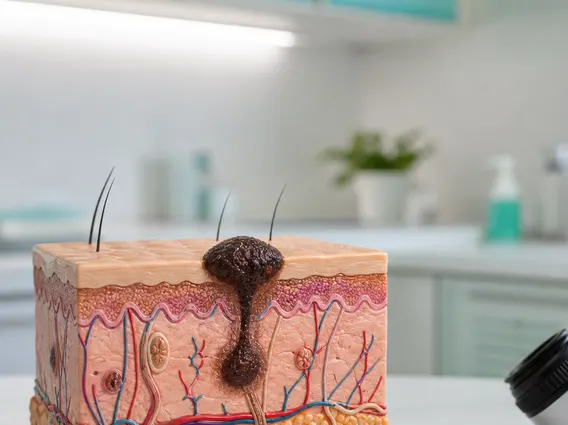
- Cutaneous Manifestations: Skin issues can range from dry, flaky skin (ichthyosis) to hyperkeratosis (thickened skin), eczema, and hemangiomas. Hair is often sparse, fine, curly, or brittle.
- Neurological and Developmental Delays: Most individuals experience some degree of developmental delay and intellectual disability. Hypotonia (low muscle tone), seizures, and structural brain abnormalities can also occur.
- Gastrointestinal Issues: Feeding difficulties, gastroesophageal reflux, and constipation are common, often requiring specialized nutritional support.
- Growth Deficiencies: Short stature and failure to thrive are frequently observed.
Diagnosing, Treating, and Living with CFC Syndrome
The process of diagnosing and treating CFC syndrome typically begins with a thorough clinical evaluation based on the characteristic physical features and developmental profile. If CFC syndrome is suspected, genetic testing is performed to confirm the diagnosis by identifying mutations in the associated genes (BRAF, MAP2K1, MAP2K2, or KRAS). This genetic confirmation is crucial for accurate diagnosis, genetic counseling, and guiding management strategies.
Treatment for CFC syndrome is primarily supportive and multidisciplinary, addressing the specific symptoms and complications experienced by each individual. There is no cure for CFC syndrome, so management focuses on improving quality of life and maximizing developmental potential. A team of specialists, including cardiologists, dermatologists, neurologists, gastroenterologists, developmental pediatricians, and therapists (physical, occupational, speech), is often involved.
CFC syndrome patient information emphasizes the importance of early intervention programs, which can significantly benefit developmental outcomes. Regular medical monitoring is essential to manage cardiac issues, neurological symptoms, and other health concerns as they arise. Families often find support through patient advocacy groups, which provide valuable resources, connect them with other families, and share the latest research and care strategies for living with CFC syndrome.