Cervix
The Cervix is a crucial component of the female reproductive system, serving as a gateway between the uterus and the vagina. Understanding its structure, functions, and common health conditions is fundamental for maintaining reproductive health.
Key Takeaways
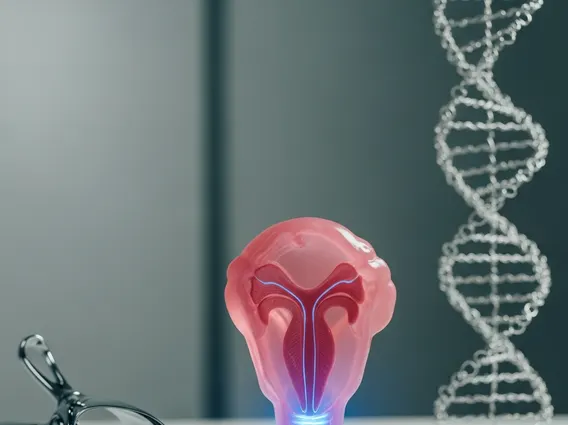
- The Cervix is the lower, cylindrical part of the uterus, connecting it to the vagina.
- It plays vital roles in fertility, pregnancy maintenance, and childbirth.
- The unique anatomy of the cervix allows it to adapt significantly throughout a woman’s life cycle.
- Regular screenings, such as Pap tests, are essential for detecting and managing common cervix conditions explained, including precancerous changes.
- Maintaining cervical health is paramount for overall reproductive well-being.
What is the Cervix?
The Cervix refers to the narrow, lower portion of the uterus that extends into the vagina. It is a muscular, cylindrical structure approximately 2 to 4 centimeters in length. This vital organ acts as a protective barrier and a passageway, connecting the main body of the uterus (fundus) to the vaginal canal. The external opening of the cervix, visible during a gynecological exam, is called the external os, while the internal opening leading into the uterus is the internal os. The canal between these two openings is known as the endocervical canal.
Cervix Function in the Female Body
The cervix function in the female body is multifaceted and essential for reproduction and protection. One primary role is to regulate the passage of substances into and out of the uterus. During ovulation, the cervical mucus becomes thin and watery, facilitating sperm entry for fertilization. Conversely, at other times in the menstrual cycle and throughout pregnancy, the mucus thickens, forming a plug that acts as a barrier against bacteria and other pathogens, protecting the uterus from infection. During pregnancy, the cervix remains firm and closed, helping to hold the fetus securely within the uterus. As labor approaches, the cervix undergoes significant changes, softening, effacing (thinning), and dilating (opening) to allow for the passage of the baby during childbirth.
Common Cervix Conditions Explained
Understanding common cervical conditions is crucial for early detection and effective management. Many cervical issues are treatable, especially when identified early through routine screenings like the Pap test. Some prevalent conditions include:
- Cervicitis: This is an inflammation of the cervix, often caused by infections (bacterial, viral, or fungal), allergies, or irritation. Symptoms can include vaginal discharge, bleeding, and pelvic pain, though it can also be asymptomatic.
- Cervical Polyps: These are benign, finger-like growths on the surface of the cervix. While usually harmless, they can sometimes cause abnormal bleeding and are typically removed through a simple procedure.
- Cervical Dysplasia: Also known as cervical intraepithelial neoplasia (CIN), this condition involves abnormal, precancerous cell changes on the surface of the cervix. It is most commonly caused by persistent human papillomavirus (HPV) infection. If left untreated, severe dysplasia can progress to cervical cancer.
- Cervical Cancer: This cancer develops in the cells of the cervix, almost always linked to HPV infection. Regular Pap tests and HPV vaccinations are highly effective in preventing and detecting cervical cancer early. According to the World Health Organization (WHO), cervical cancer is the fourth most common cancer among women globally, but it is largely preventable and treatable if detected early.