Chf
Congestive Heart Failure (Chf) is a chronic and progressive condition affecting the heart’s ability to pump blood effectively. It is a serious health concern that impacts millions globally, leading to a range of symptoms that can significantly diminish quality of life.

Key Takeaways
- Congestive Heart Failure (Chf) is a chronic condition where the heart cannot pump enough blood to meet the body’s needs.
- Common symptoms include shortness of breath, fatigue, and swelling in the legs, often caused by underlying conditions like coronary artery disease or high blood pressure.
- Diagnosis involves physical exams, imaging tests (like echocardiograms), and blood tests.
- Treatment focuses on managing symptoms, improving heart function through medication and lifestyle changes, and preventing progression.
- Living with Chf requires ongoing medical management, adherence to treatment plans, and significant lifestyle adjustments to maintain well-being.
What is Chf (Congestive Heart Failure)?
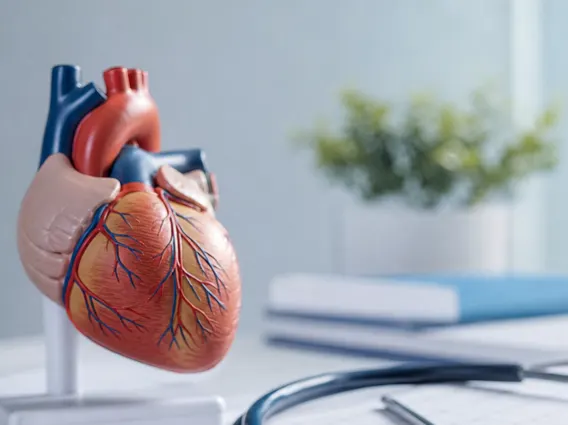
Congestive Heart Failure (Chf) refers to a condition in which the heart muscle doesn’t pump blood as well as it should. Unlike a “heart attack,” which is an acute event, Chf is a chronic, long-term condition that gradually worsens over time. It means the heart is unable to supply enough oxygen-rich blood to meet the body’s demands, leading to a backup of blood in other areas, such as the lungs and legs. This can result in fluid buildup, or congestion, hence the name. According to the Centers for Disease Control and Prevention (CDC), about 6.2 million adults in the United States have heart failure, highlighting its widespread impact on public health. The condition can affect either the left or right side of the heart, or both, each presenting with distinct challenges to the body’s circulatory system.
Understanding what is Chf involves recognizing that it is not a curable disease but a manageable condition. Early recognition and consistent management are crucial for improving patient outcomes and quality of life. The heart’s reduced pumping efficiency can lead to various complications, affecting not only the cardiovascular system but also other organs due to inadequate blood supply.
Symptoms, Causes, and Diagnosis of Chf
Recognizing Chf symptoms causes is vital for early intervention. The symptoms can vary depending on the type and severity of heart failure, but common indicators often include:
- Shortness of breath (dyspnea), especially during exertion or when lying down.
- Fatigue and weakness, even after minimal activity.
- Swelling (edema) in the legs, ankles, and feet, and sometimes in the abdomen.
- Rapid or irregular heartbeat.
- Persistent cough or wheezing with white or pink blood-tinged phlegm.
- Increased need to urinate at night.
- Lack of appetite or nausea.
The primary causes of Chf often stem from other underlying health conditions that damage or weaken the heart. These include coronary artery disease (the most common cause), high blood pressure (hypertension), previous heart attacks, diabetes, obesity, and certain heart valve diseases. Lifestyle factors such as smoking, excessive alcohol consumption, and a diet high in sodium can also contribute to the development or worsening of Chf.
The process of Chf diagnosis typically begins with a thorough physical examination and a review of the patient’s medical history. Doctors will look for signs like swelling, abnormal heart sounds, and fluid in the lungs. Diagnostic tests are then used to confirm the diagnosis and determine the extent of heart damage. These tests may include an electrocardiogram (ECG) to check heart rhythm, an echocardiogram (echo) to visualize heart structure and function, blood tests (such as B-type natriuretic peptide or BNP), and a chest X-ray to look for fluid in the lungs or an enlarged heart.
Treatment and Living with Chf
Effective Chf treatment aims to manage symptoms, slow the progression of the disease, and improve the patient’s quality of life. Treatment plans are highly individualized but generally involve a combination of medications, lifestyle modifications, and, in some cases, medical procedures or devices. Common medications include ACE inhibitors, beta-blockers, diuretics, and aldosterone antagonists, which work to reduce the heart’s workload, remove excess fluid, and improve pumping function. For some patients, implantable devices like pacemakers or defibrillators may be recommended, and in severe cases, heart transplant or ventricular assist devices might be considered.
Living with Chf requires ongoing commitment to a comprehensive management plan. This includes regular monitoring of symptoms, adherence to prescribed medications, and significant lifestyle adjustments. Patients are often advised to adopt a low-sodium diet, limit fluid intake, engage in regular light to moderate physical activity as approved by their doctor, maintain a healthy weight, and avoid smoking and excessive alcohol. Regular follow-up appointments with a cardiologist are essential to monitor the condition, adjust medications as needed, and address any new concerns. Education and support groups can also play a crucial role in helping individuals and their families cope with the challenges of Chf, fostering a proactive approach to managing the condition and enhancing overall well-being.