
Cauterize
Cauterize is a medical procedure involving the controlled application of heat, cold, or chemicals to tissue for therapeutic purposes. It is a fundamental technique used across various medical specialties to achieve hemostasis, remove abnormal growths, or prevent infection.
Key Takeaways
- Cauterize is a medical procedure that uses controlled heat, cold, or chemicals to alter or remove tissue.
- Its primary medical applications include stopping bleeding (hemostasis), removing unwanted tissue, and preventing infection.
- The procedure works by coagulating proteins, sealing blood vessels, or destroying cells in a targeted manner.
- Common methods include electrocautery, chemical cauterization, laser cauterization, and cryocautery.
- Cauterization is a versatile tool in surgery, dermatology, and other clinical fields, offering precise tissue management.
What is Cauterize: Definition and Medical Uses
Cauterize refers to a medical procedure that involves the destruction of tissue using a controlled application of heat, cold, or caustic chemicals. This technique is employed for various therapeutic purposes, primarily to stop bleeding, remove abnormal tissue growths, or prevent infection. The controlled damage to tissue helps achieve specific clinical outcomes while minimizing harm to surrounding healthy areas.
The cauterize definition and uses highlight its importance in modern medicine. Historically, cauterization was performed with heated irons, but contemporary methods are far more precise and safer. In surgical contexts, it is extensively used to achieve hemostasis, meaning the cessation of blood flow during operations, which is crucial for maintaining clear surgical fields and reducing blood loss. Beyond hemostasis, cauterization is also vital for excising warts, tumors, or other unwanted growths, and for treating certain skin conditions. Its ability to seal nerve endings can also contribute to pain reduction in some procedures. According to the World Health Organization (WHO), effective hemostasis techniques, including cauterization, are critical components of safe surgical practices globally, contributing to reduced morbidity and mortality.
How Cauterization Works and Its Methods
Understanding how cauterization works involves recognizing the underlying principles of tissue destruction and coagulation. Regardless of the specific method, the core mechanism involves causing cellular damage that leads to protein denaturation and coagulation. In the case of heat-based methods, the intense heat causes proteins within the cells and blood vessels to coagulate, effectively sealing off blood vessels and destroying the targeted tissue. Chemical agents achieve a similar effect through corrosive action, while extreme cold causes ice crystal formation within cells, leading to their rupture and death.
There are several distinct types of cauterization methods, each suited for different medical applications and tissue types. These methods offer clinicians flexibility in treating a wide range of conditions:
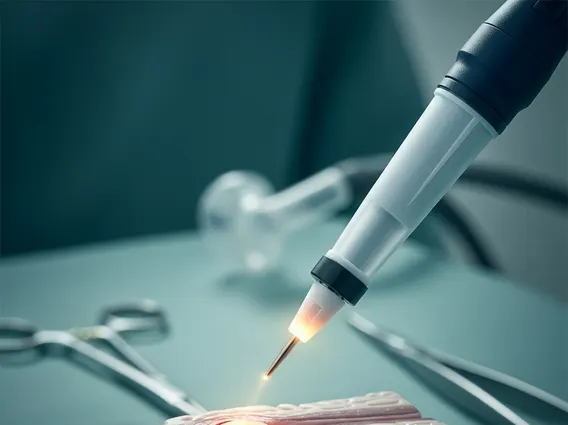
- Electrocautery: This is one of the most common methods, using an electrically heated probe or needle to burn and coagulate tissue. It is highly effective for stopping bleeding during surgery and removing small lesions.
- Chemical Cauterization: This method involves applying a chemical agent, such as silver nitrate or trichloroacetic acid, directly to the tissue. It is often used for treating warts, granulation tissue, or minor bleeding.
- Laser Cauterization: High-energy laser beams are used to precisely cut, ablate, or coagulate tissue. Lasers offer extreme precision and are valuable in delicate surgeries, ophthalmology, and dermatology.
- Cryocautery (Cryosurgery): This technique uses extreme cold, typically from liquid nitrogen, to freeze and destroy abnormal tissue. It is commonly employed for skin lesions, warts, and some precancerous conditions.
Each method has specific advantages and considerations, allowing medical professionals to select the most appropriate technique based on the patient’s condition, the location of the tissue, and the desired outcome. The controlled nature of these procedures ensures targeted treatment with minimal collateral damage.



















