CD4 Positive T Lymphocyte
CD4 Positive T Lymphocytes are essential components of the human immune system, playing a central role in coordinating the body’s defense mechanisms. These specialized white blood cells are crucial for recognizing and responding to a wide array of pathogens.
Key Takeaways
- CD4 Positive T Lymphocytes, also known as helper T cells, are vital immune cells that orchestrate immune responses.
- They identify foreign invaders and activate other immune cells, including B cells and cytotoxic T cells.
- These cells are critical for both adaptive immunity and immunological memory.
- A healthy count of CD4+ T cells is indicative of a robust immune system.
- Their dysfunction or depletion can severely compromise the body’s ability to fight infections and diseases.
What is a CD4 Positive T Lymphocyte (CD4+ T cell)?
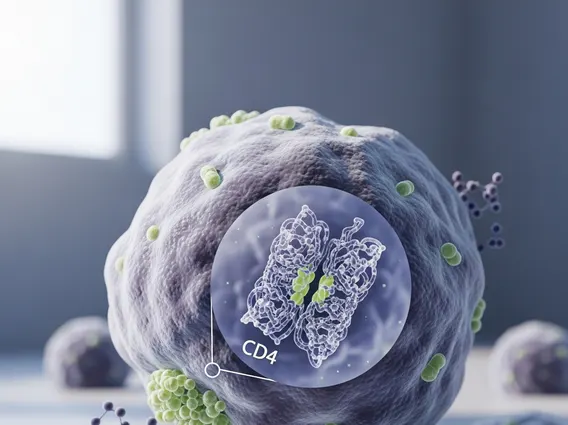
A CD4 Positive T Lymphocyte, often referred to as a CD4+ T cell or helper T cell, is a type of white blood cell (lymphocyte) that plays a pivotal role in the adaptive immune system. These cells are characterized by the presence of a surface protein called CD4, which acts as a co-receptor for the T cell receptor (TCR) when binding to antigens presented by Major Histocompatibility Complex (MHC) class II molecules on antigen-presenting cells (APCs). The World Health Organization (WHO) highlights the critical nature of these cells, particularly in the context of immune health and disease progression, such as in HIV infection where their depletion leads to immunodeficiency.
The CD4 T cell definition and importance stem from their function as central coordinators of immune responses. Originating in the bone marrow and maturing in the thymus, CD4+ T cells do not directly kill infected cells or pathogens. Instead, they act as “helpers” by releasing signaling molecules called cytokines. These cytokines stimulate and regulate the activity of other immune cells, ensuring a robust and targeted response against specific threats, whether they are viruses, bacteria, fungi, or parasites.
Function and Importance of CD4+ T Cells in Immunity
The Function of CD4 T cells in immune system is multifaceted and indispensable for maintaining health. These cells serve as critical communicators, bridging the gap between innate and adaptive immunity. Upon activation, CD4+ T cells proliferate and differentiate into various subsets, each with specialized roles in orchestrating the immune response. This orchestration is vital for effective pathogen clearance and the development of long-lasting immunological memory.
The Role of CD4+ T cells in human body extends to virtually every aspect of adaptive immunity. They are essential for:
- Activating B cells: CD4+ T cells help B cells produce antibodies, which are crucial for neutralizing pathogens and toxins.
- Enhancing cytotoxic T cell activity: They provide signals that enable cytotoxic T lymphocytes (CTLs) to effectively kill infected or cancerous cells.
- Recruiting other immune cells: By releasing cytokines, CD4+ T cells attract macrophages, neutrophils, and other immune cells to sites of infection.
- Regulating immune responses: Certain subsets of CD4+ T cells, like regulatory T cells, help to suppress excessive immune reactions, preventing autoimmune diseases and tissue damage.
- Developing immunological memory: They contribute to the formation of memory cells, allowing the immune system to mount a faster and stronger response upon subsequent exposure to the same pathogen.
Without functional CD4+ T cells, the immune system becomes severely compromised, leaving the body vulnerable to opportunistic infections and certain cancers. Their integrity is therefore paramount for overall immune competence and host defense.