Mohs Micrographic Surgery
Mohs Micrographic Surgery is a highly effective and precise surgical technique used to treat common types of skin cancer. This procedure offers a high cure rate while minimizing the removal of healthy tissue, making it an ideal option for many patients.
Key Takeaways
- Mohs Micrographic Surgery is a specialized technique for removing skin cancer, layer by layer, with immediate microscopic examination.
- It boasts high cure rates, often exceeding 99% for new basal cell and squamous cell carcinomas.
- The procedure prioritizes preserving healthy tissue, which is crucial for cosmetically sensitive areas.
- Recovery time varies based on the wound size and location, but most patients can resume light activities quickly.
- Diligent post-operative care is essential for proper healing and minimizing scarring.
What Is Mohs Micrographic Surgery?
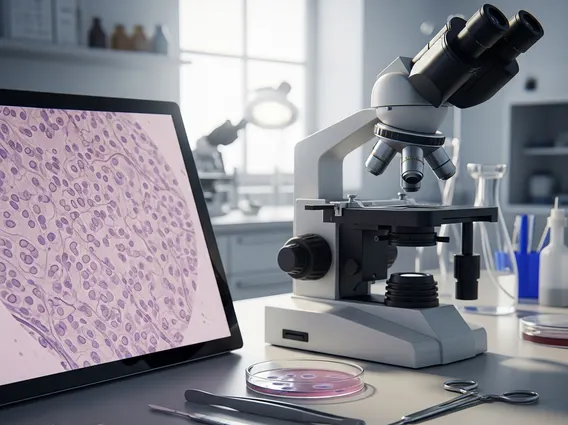
Mohs Micrographic Surgery is a specialized, highly precise surgical technique used to treat various forms of skin cancer, including basal cell carcinoma and squamous cell carcinoma. Developed by Dr. Frederic Mohs, this innovative procedure involves removing skin cancer in stages, one thin layer at a time. Each layer is immediately examined under a microscope by the Mohs surgeon, who acts as both the surgeon and pathologist. This meticulous, real-time analysis allows the surgeon to identify and remove all cancerous cells while preserving the maximum amount of healthy surrounding tissue. This makes it particularly valuable for cancers located in cosmetically sensitive areas or those with ill-defined borders.
Mohs Surgery Procedure and Benefits for Skin Cancer
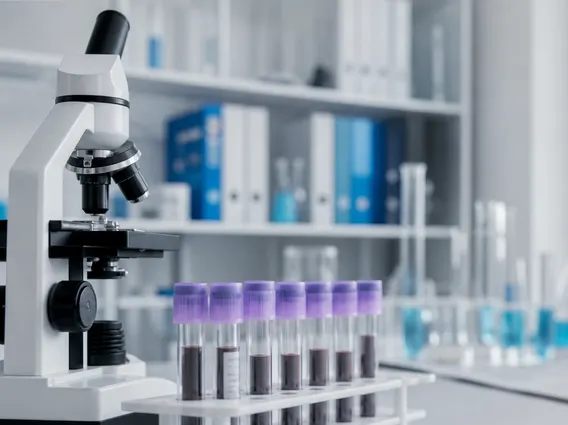
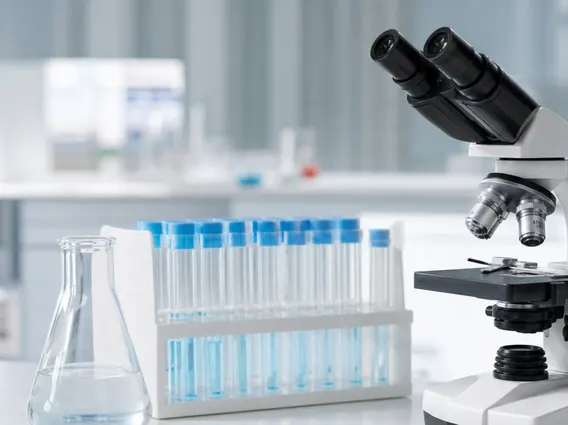
The Mohs surgery procedure is typically performed in an outpatient setting under local anesthesia, ensuring the patient remains comfortable and awake throughout. The process begins with the surgeon removing the visible tumor along with a very thin, precise margin of surrounding skin. This tissue is then carefully mapped, color-coded, and immediately taken to an on-site laboratory. Here, a trained technician processes the tissue, which is then examined by the Mohs surgeon under a microscope. If cancer cells are detected at the margins, the surgeon precisely identifies their location on the map and removes another thin layer of skin only from that specific area. This systematic, layer-by-layer removal and microscopic examination continue until no cancer cells are observed, confirming complete eradication of the tumor.
The benefits of Mohs surgery for skin cancer are substantial, making it a preferred treatment for many patients, especially for cancers on the face, neck, hands, or those that are recurrent or aggressive. These advantages include:
- Exceptional Cure Rates: Mohs surgery offers the highest cure rates, up to 99% for new basal cell carcinomas and squamous cell carcinomas, and up to 95% for recurrent cancers, as reported by organizations like the American Academy of Dermatology.
- Maximal Tissue Preservation: The precise, microscopic control allows for the removal of only cancerous tissue, thereby minimizing the wound size and preserving healthy skin.
- Immediate Results: The entire process, from removal to microscopic examination and reconstruction, typically occurs in a single visit, providing peace of mind to the patient.
- Reduced Scarring: By preserving healthy tissue, the procedure often leads to smaller scars and better cosmetic outcomes compared to traditional excisional surgery.
Mohs Micrographic Surgery Recovery Time
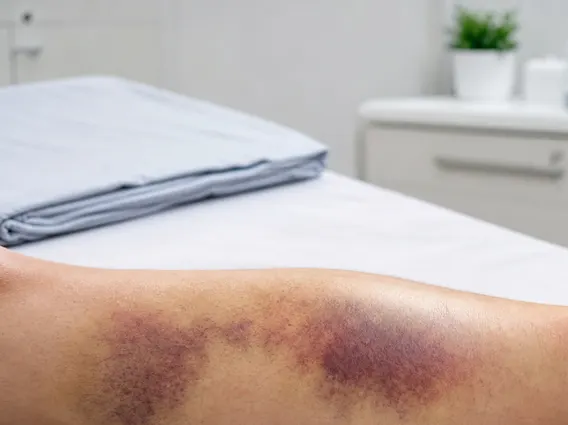
The Mohs micrographic surgery recovery time is influenced by several factors, including the size and location of the excised tumor, the extent of the reconstruction needed, and the individual’s healing capabilities. Following the complete removal of the cancer, the wound may be closed with sutures, allowed to heal by secondary intention (naturally), or reconstructed using a skin graft or local flap. Patients can generally expect some mild discomfort, bruising, and swelling around the surgical site, which can be effectively managed with over-the-counter pain medication.
While most individuals can resume light daily activities within 24 to 48 hours, it is crucial to avoid strenuous activities, heavy lifting, and vigorous exercise for several weeks. This precaution helps prevent complications such as bleeding, infection, and excessive scarring, promoting optimal healing. Detailed post-operative wound care instructions, including how to change dressings and keep the area clean, will be provided by the surgical team. Complete healing of the surgical site can take several weeks to months, with the appearance of scars gradually improving over time. Regular follow-up appointments are essential to monitor the healing process and address any concerns.