Sternum
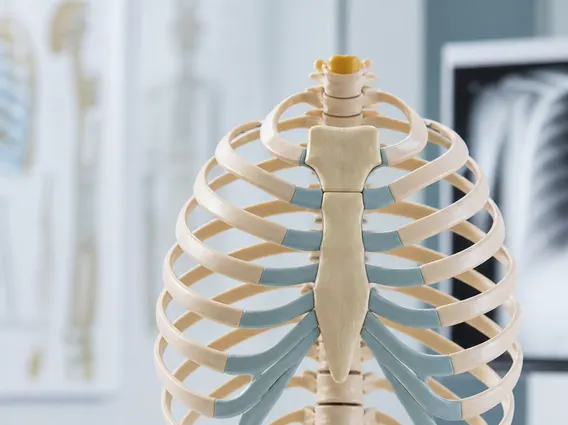
The sternum, commonly known as the breastbone, is a crucial flat bone located in the center of the chest. It plays a vital role in protecting internal organs and forming part of the rib cage, essential for respiration and structural support.
Key Takeaways
- The Sternum is a flat, dagger-shaped bone situated in the middle of the chest.
- It consists of three main parts: the manubrium, the body, and the xiphoid process.
- Its primary function is to protect vital organs like the heart and lungs, and to anchor the ribs and clavicles.
- Pain in the sternum can arise from various causes, including musculoskeletal issues, trauma, or, less commonly, cardiac conditions.
- Persistent or severe sternum pain warrants medical evaluation to determine the underlying cause and appropriate treatment.
What is the Sternum?
The Sternum is a long, flat bone located in the central part of the chest, often referred to as the breastbone. It forms the front of the rib cage, connecting the ribs via cartilage and forming the front of the thoracic cavity. This central position makes it a critical component of the skeletal system, providing protection for the heart, lungs, and major blood vessels situated behind it. Its robust structure is designed to withstand external forces, safeguarding these delicate and vital organs from injury.
Beyond its protective role, the sternum also serves as an attachment point for various muscles of the chest and abdomen. Its presence is fundamental to the mechanics of breathing, as the movement of the rib cage, facilitated by its connection to the sternum, allows for the expansion and contraction of the chest cavity during respiration. Understanding what is the Sternum involves recognizing its dual importance in both protection and physiological function.
Sternum Anatomy, Location, and Function
The sternum bone anatomy and function are intricately linked to its role in the human body. The sternum is composed of three distinct parts that fuse together as an individual matures:
- Manubrium: The broad, superior part, which articulates with the clavicles (collarbones) and the first two pairs of ribs.
- Body (Gladiolus): The longest and central part, connecting to the third through seventh pairs of ribs via costal cartilages.
- Xiphoid Process: The smallest and most inferior part, a cartilaginous projection that typically ossifies in adulthood. It serves as an attachment point for several muscles, including the diaphragm.
The sternum location in human body is precisely in the midline of the anterior thoracic wall, extending from the base of the neck to the upper abdomen. This strategic placement allows it to form a sturdy barrier against direct trauma to the chest. Functionally, the sternum, along with the ribs and thoracic vertebrae, creates the thoracic cage, which not only encases and shields the heart and lungs but also provides the necessary framework for the mechanics of breathing. Its articulations with the ribs allow for the flexibility required during inhalation and exhalation, making it indispensable for respiratory health.
Causes and Symptoms of Sternum Pain
Sternum pain causes and symptoms can vary widely, ranging from benign musculoskeletal issues to more serious underlying conditions. One of the most common causes is costochondritis, an inflammation of the cartilage that connects the ribs to the sternum. This condition typically presents as sharp, localized pain that worsens with deep breaths, coughing, or direct pressure on the affected area. Other musculoskeletal causes include muscle strains in the chest wall, often due to strenuous exercise or injury, and sternal fractures resulting from direct trauma to the chest.
Beyond musculoskeletal origins, sternum pain can sometimes be referred pain from other systems. Gastroesophageal reflux disease (GERD) can cause a burning sensation behind the sternum, mimicking heart pain. Less commonly, but more critically, sternum pain can be a symptom of cardiac issues, such as angina or a heart attack, especially if accompanied by shortness of breath, sweating, or pain radiating to the arm or jaw. Other potential causes include infections, tumors, or autoimmune conditions affecting the chest wall. Given the diverse range of potential causes, persistent or severe sternum pain should always be evaluated by a healthcare professional to ensure an accurate diagnosis and appropriate treatment.