Noonan Syndrome
Noonan Syndrome is a genetic disorder affecting various bodily systems, characterized by distinctive facial features, heart defects, and other physical and developmental challenges. Early understanding of this condition is vital for timely diagnosis and effective management.
Key Takeaways
- Noonan Syndrome is a genetic disorder impacting multiple bodily systems.
- It results from mutations in specific genes, often inherited or occurring spontaneously.
- Common symptoms include distinctive facial features, heart defects, and developmental delays.
- Diagnosis relies on clinical evaluation and is confirmed by genetic testing.
- Treatment focuses on managing individual symptoms and providing supportive care.
What is Noonan Syndrome?
Noonan Syndrome is a genetic condition present from birth, characterized by a diverse range of physical features and medical issues. It affects approximately 1 in 1,000 to 1 in 2,500 live births, according to the National Institutes of Health (NIH). This syndrome results from mutations in specific genes that play critical roles in cell growth and development. While features vary significantly, common characteristics include distinctive facial features, heart defects, short stature, and developmental delays.
The condition is typically inherited in an autosomal dominant pattern, meaning one altered gene copy is sufficient to cause the disorder. However, many cases arise from new, spontaneous gene mutations, even without a family history. The genetic mutations primarily affect the RAS/MAPK pathway, a crucial signaling pathway involved in cell communication, growth, and differentiation.
Recognizing Noonan Syndrome: Symptoms and Causes
Recognizing Noonan Syndrome symptoms and causes involves understanding its varied manifestations and genetic basis. Symptoms differ greatly, even within families, but some features are commonly observed.
Common physical characteristics include:
- Distinctive facial features: widely spaced eyes, drooping eyelids (ptosis), low-set ears rotated backward, a short neck with excess skin (webbed neck), and a high-arched palate.
- Heart defects: These are common and serious, with pulmonary valve stenosis being particularly prevalent. Other defects may include hypertrophic cardiomyopathy and atrial septal defects.
- Short stature: Many individuals are shorter than average.
- Skeletal abnormalities: Such as chest wall deformities (e.g., pectus excavatum) and scoliosis.
- Bleeding disorders: Some may have an increased tendency to bruise or bleed due to clotting factor deficiencies.
- Developmental delays: Ranging from mild learning difficulties to more significant intellectual disabilities, affecting speech and motor skills.
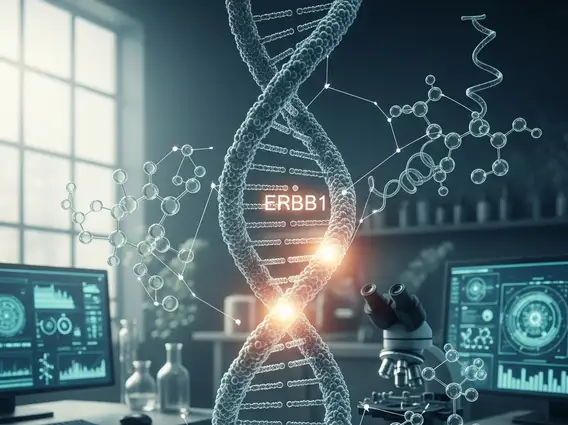
The primary cause of Noonan Syndrome is a mutation in one of several genes, most commonly PTPN11, SOS1, RAF1, and RIT1. These genes are involved in the RAS/MAPK signaling pathway, essential for proper cell growth and development. When mutated, the pathway becomes overactive, leading to the syndrome’s characteristic features.
Diagnosing and Treating Noonan Syndrome
The process of diagnosing Noonan Syndrome typically begins with a thorough clinical evaluation based on characteristic physical features and medical history. A healthcare provider assesses for distinctive facial features, heart abnormalities, and other signs. Confirmation often relies on genetic testing.
Genetic testing analyzes a blood sample to identify mutations in genes known to cause Noonan Syndrome (PTPN11, SOS1, RAF1, or RIT1). This confirms the diagnosis, helps understand the specific genetic cause, and informs genetic counseling. Prenatal diagnosis is also possible through chorionic villus sampling or amniocentesis if concerns exist.
Noonan Syndrome treatment options are primarily supportive and symptomatic, addressing specific health issues. There is no single cure, so management is multidisciplinary and tailored to individual needs.
Treatment strategies may include:
- Cardiological care: Regular monitoring and, if necessary, surgical intervention for heart defects.
- Growth hormone therapy: To address short stature.
- Therapies: Physical, occupational, and speech therapy to support development.
- Educational support: Tailored programs for learning difficulties.
- Hematological management: For bleeding disorders.
- Surgical correction: For conditions like undescended testicles or skeletal abnormalities.
A team of specialists, including cardiologists, geneticists, endocrinologists, and developmental pediatricians, provides comprehensive care. Early intervention and ongoing management are crucial to optimize outcomes and improve quality of life.