
Kidney Function Test
A Kidney Function Test is a crucial diagnostic tool used to assess the health and performance of your kidneys. These tests help healthcare professionals detect potential kidney problems early, allowing for timely intervention and management of kidney disease.
Key Takeaways
- A Kidney Function Test evaluates how well your kidneys are filtering waste from your blood.
- Common tests include blood tests (creatinine, BUN, GFR) and urine tests (albumin-to-creatinine ratio).
- These tests are vital for early detection, diagnosis, and monitoring of kidney conditions.
- Interpreting results requires professional medical advice, as various factors can influence readings.
- Regular testing is especially important for individuals with risk factors like diabetes or high blood pressure.
What is a Kidney Function Test?
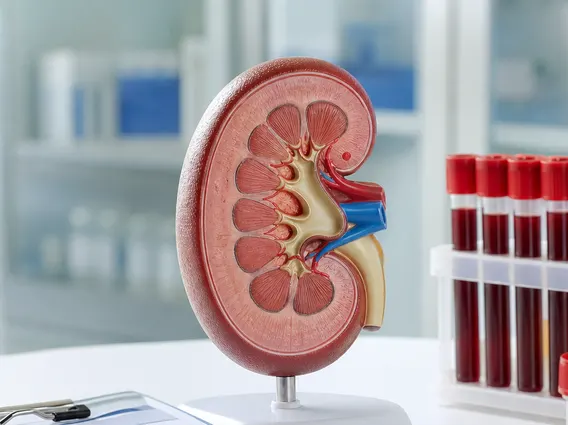
A Kidney Function Test refers to a series of diagnostic procedures designed to evaluate the efficiency of the kidneys. These vital organs are responsible for filtering waste products, excess water, and toxins from the blood, maintaining electrolyte balance, and producing hormones essential for blood pressure regulation and red blood cell production. When kidneys are not functioning optimally, waste products can build up in the body, leading to serious health issues. According to the Centers for Disease Control and Prevention (CDC), chronic kidney disease (CKD) affects an estimated 1 in 7 adults in the United States, highlighting the importance of regular screening. These tests are essential for diagnosing kidney disease, monitoring its progression, and assessing the effectiveness of treatment.
Types of Kidney Function Tests and How They Work
There are several types of kidney function tests, each designed to measure different aspects of kidney health. Types of kidney function tests explained often involve both blood and urine samples, providing a comprehensive picture of renal performance. These tests help determine how effectively the kidneys are filtering waste and maintaining chemical balance in the body. Here are some common types:
- Glomerular Filtration Rate (GFR): This is considered the best measure of kidney function. GFR estimates how much blood passes through the glomeruli each minute. It’s calculated using a formula that considers blood creatinine levels, age, sex, and sometimes race.
- Serum Creatinine: Creatinine is a waste product from muscle metabolism. Healthy kidneys filter creatinine from the blood. High levels of creatinine in the blood can indicate impaired kidney function.
- Blood Urea Nitrogen (BUN): Urea nitrogen is another waste product formed when protein breaks down. Like creatinine, elevated BUN levels can suggest that the kidneys are not filtering waste effectively.
- Urine Albumin-to-Creatinine Ratio (UACR): This test measures the amount of albumin (a type of protein) in the urine compared to creatinine. A high UACR indicates albuminuria, a sign of kidney damage, as healthy kidneys typically do not allow significant amounts of albumin to pass into the urine.
- Urinalysis: A general examination of urine that checks for the presence of blood, protein, sugar, and signs of infection, all of which can be indicators of kidney problems.
These tests work by measuring specific substances in the blood or urine that reflect the kidneys’ ability to filter, reabsorb, and excrete. Abnormal levels of these substances can signal that the kidneys are not performing their functions adequately, prompting further investigation.
Interpreting Kidney Function Test Results
Understanding kidney function test results is crucial for managing kidney health, but it should always be done in consultation with a healthcare professional. Normal ranges for these tests can vary slightly depending on the laboratory and individual factors such as age, sex, and muscle mass. For instance, a GFR below 60 mL/min/1.73 m² for three months or more often indicates chronic kidney disease. Elevated levels of creatinine or BUN in the blood, or the presence of protein in the urine, are also significant indicators of potential kidney damage or dysfunction. It’s important to remember that a single abnormal result might not always signify a serious condition; temporary factors like dehydration, certain medications, or intense exercise can influence results. Therefore, healthcare providers often consider a combination of tests, an individual’s medical history, and other clinical findings to make an accurate diagnosis and develop an appropriate management plan. Regular follow-up tests are often necessary to monitor kidney health over time, especially for individuals with existing risk factors like diabetes, high blood pressure, or a family history of kidney disease.