
Killer T Cell
Killer T Cells are specialized immune cells that play a critical role in the body’s defense against infections and diseases like cancer. These powerful cells are essential for identifying and eliminating compromised or foreign cells, maintaining overall health and immune integrity.
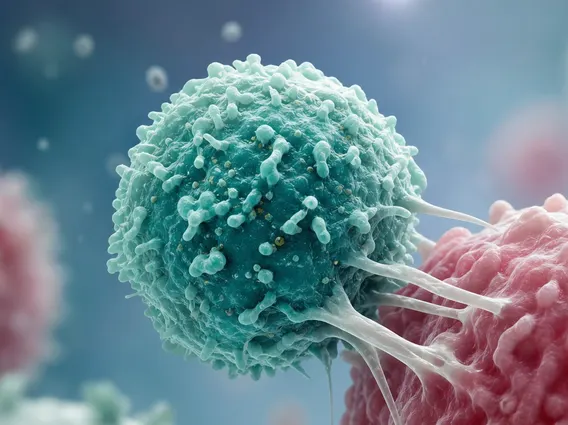
Key Takeaways
- Killer T Cells, also known as Cytotoxic T Lymphocytes, are vital immune cells responsible for directly destroying infected or cancerous cells.
- They identify target cells by recognizing specific antigens presented on the cell surface via MHC Class I molecules.
- Upon recognition, Killer T Cells release cytotoxic molecules like perforins and granzymes to induce programmed cell death (apoptosis) in the target cell.
- Their primary function is to combat viral infections, eliminate intracellular pathogens, and suppress tumor growth.
- The precise action of these cells is crucial for preventing the spread of disease and maintaining immune surveillance.
What is a Killer T Cell (Cytotoxic T Lymphocyte)?
A Killer T Cell, formally known as a Cytotoxic T Lymphocyte (CTL), is a type of white blood cell that belongs to the lymphocyte family. These cells are a fundamental component of the adaptive immune system, specifically responsible for cell-mediated immunity. Their primary function is to directly identify and destroy target cells that are infected with viruses or other intracellular pathogens, or that have become cancerous.
Killer T Cells originate in the bone marrow and mature in the thymus, where they undergo a rigorous selection process to ensure they can recognize foreign antigens without attacking healthy host cells. Once activated, they become highly efficient assassins, capable of eliminating threats with remarkable precision, thus playing a crucial role in immune surveillance and protection.
How Killer T Cells Identify and Eliminate Threats
The ability of Killer T Cells to distinguish between healthy and compromised cells is central to their function. This process begins with the recognition of specific antigens. Infected or cancerous cells present fragments of their internal proteins (antigens) on their surface using specialized molecules called Major Histocompatibility Complex (MHC) Class I proteins. Killer T Cells possess T-cell receptors (TCRs) that are highly specific, designed to bind only to particular antigen-MHC Class I complexes.
When a Killer T Cell encounters a target cell displaying a recognized antigen, it becomes activated. This activation triggers a series of events leading to the elimination of the threat. The mechanism by which how do killer t cells work involves several steps:
- Antigen Recognition: The Killer T Cell’s TCR binds to the specific antigen presented by the MHC Class I molecule on the target cell.
- Adhesion and Synapse Formation: The Killer T Cell forms a tight immunological synapse with the target cell, ensuring close contact.
- Cytotoxic Granule Release: The Killer T Cell releases cytotoxic molecules stored in its granules, primarily perforins and granzymes, into the synapse.
- Target Cell Apoptosis: Perforins create pores in the target cell’s membrane, allowing granzymes to enter. Granzymes then activate a cascade of enzymes within the target cell, leading to programmed cell death, or apoptosis. This controlled destruction prevents the pathogen from replicating further or the cancer cell from spreading.
This precise and targeted elimination process ensures that only infected or abnormal cells are destroyed, minimizing damage to surrounding healthy tissues.
Role of Killer T Cells in Immune Defense
The role of cytotoxic t lymphocytes is indispensable for a robust immune defense. These cells are frontline defenders against a wide array of intracellular threats. Their primary contributions to the immune system include:
The killer t cell function immune system extends to various critical areas, ensuring the body remains protected from both internal and external dangers. They are vital for clearing persistent viral infections, such as those caused by influenza, HIV, or herpesviruses, by destroying the cells where these viruses replicate. Without effective Killer T Cell activity, viral infections can become chronic or overwhelming.
Furthermore, Killer T Cells are crucial in cancer immunotherapy. They constantly patrol the body, identifying and eliminating nascent cancer cells before they can form tumors. When this immune surveillance fails, cancer can develop. Researchers are actively exploring ways to enhance Killer T Cell activity to improve cancer treatments, such as through CAR T-cell therapy, which engineers a patient’s own Killer T Cells to specifically target and destroy cancer cells. This highlights their profound importance in maintaining health and preventing disease progression.



















