Kidney Function
Kidney Function refers to the essential processes performed by the kidneys to maintain overall health and balance within the body. These vital organs play a crucial role in filtering waste, regulating fluids, and producing hormones.
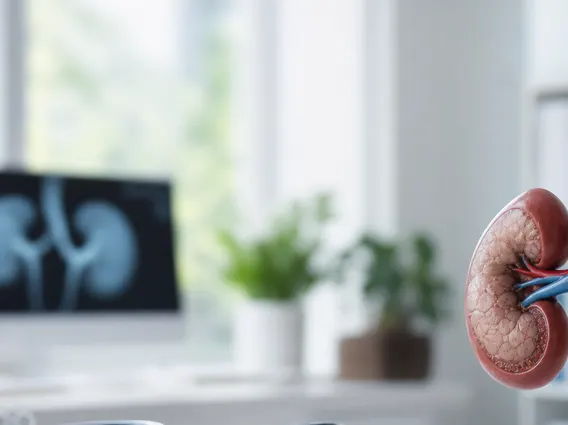
Key Takeaways
- Kidneys are vital organs responsible for filtering blood, removing waste, and maintaining fluid and electrolyte balance.
- Recognizing early signs of poor kidney function, such as fatigue, swelling, and changes in urination, is crucial for timely intervention.
- Healthy kidneys are essential for overall well-being, influencing blood pressure, red blood cell production, and bone health.
- Lifestyle choices, including diet and hydration, significantly impact kidney health.
What is Kidney Function and How Do Kidneys Work?
Kidney Function encompasses the numerous tasks performed by the two bean-shaped organs located on either side of the spine, just below the rib cage. These functions are critical for sustaining life and maintaining homeostasis. The primary role of the kidneys is to filter about 120 to 150 quarts of blood daily, producing 1 to 2 quarts of urine, which is composed of wastes and extra fluid. This intricate process ensures that harmful substances do not accumulate in the body.
To understand how do kidneys work, it’s important to know that each kidney contains millions of tiny filtering units called nephrons. Each nephron includes a glomerulus, which filters blood, and a tubule, which returns necessary substances to the blood and removes wastes. Beyond filtration, kidneys also regulate blood pressure by releasing hormones, produce erythropoietin (a hormone that stimulates red blood cell production), and help maintain bone health by activating vitamin D. According to the National Kidney Foundation, approximately 37 million American adults are estimated to have kidney disease, highlighting the widespread impact of impaired kidney function.
Recognizing Signs of Poor Kidney Function
Identifying the signs of poor kidney function early is vital for preventing the progression of kidney disease. These symptoms often develop gradually and can be subtle, making them easy to overlook in their initial stages. As kidney function declines, waste products and excess fluid can build up in the body, leading to a range of noticeable changes.
Common indicators that may suggest impaired kidney function include:
- Fatigue and Weakness: A severe drop in energy levels due to the buildup of toxins and anemia (a common complication of kidney disease).
- Swelling (Edema): Fluid retention in the legs, ankles, feet, or face, as the kidneys struggle to remove excess fluid.
- Changes in Urination: This can manifest as needing to urinate more often, especially at night, or producing less urine than usual. Urine may also appear foamy or contain blood.
- Muscle Cramps and Weakness: Imbalances in electrolytes like calcium and phosphorus can lead to muscle issues.
- Dry, Itchy Skin: A buildup of waste products in the blood can cause severe itching and dry skin.
- Loss of Appetite and Nausea: Toxins accumulating in the body can affect the digestive system, leading to a reduced desire to eat and feelings of sickness.
If any of these symptoms persist, it is crucial to consult a healthcare professional for proper diagnosis and management. Early detection can significantly improve outcomes and slow the progression of kidney disease.
The Importance of Healthy Kidneys
The importance of healthy kidneys cannot be overstated, as these organs are indispensable for maintaining overall health and preventing serious complications. Healthy kidneys ensure that the body’s internal environment remains stable, supporting the function of all other organ systems. Without proper kidney function, waste products would accumulate to toxic levels, leading to severe health issues such as chronic kidney disease, cardiovascular problems, and bone disorders.
Maintaining kidney health involves several key practices. A balanced diet, adequate hydration, regular physical activity, and managing underlying conditions like diabetes and high blood pressure are all critical. Avoiding excessive use of over-the-counter pain medications and refraining from smoking also contribute significantly to preserving kidney function. The Centers for Disease Control and Prevention (CDC) reports that chronic kidney disease affects more than 1 in 7 U.S. adults, underscoring the widespread need for awareness and preventative measures to protect these vital organs.