Kidney Failure
Kidney failure, also known as end-stage renal disease, is a critical medical condition where the kidneys lose their ability to filter waste products from the blood effectively. This comprehensive guide explores the condition, its signs, underlying causes, and available treatment options.
Key Takeaways
- Kidney Failure occurs when kidneys can no longer adequately filter waste from the blood, leading to a buildup of toxins.
- Common symptoms of kidney failure include fatigue, swelling, reduced urine output, and nausea.
- Causes range from chronic diseases like diabetes and high blood pressure to acute injuries or certain medications.
- Early diagnosis and management of underlying conditions are crucial for preventing progression.
- Kidney failure treatment options include dialysis (hemodialysis or peritoneal dialysis) and kidney transplantation.
What is Kidney Failure?
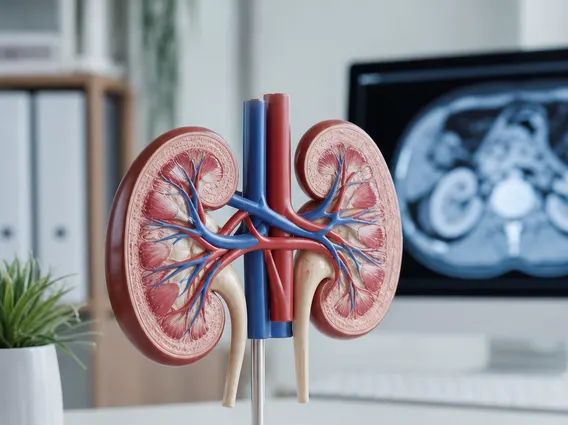
Kidney Failure refers to a severe medical condition in which the kidneys are no longer able to perform their essential functions of filtering waste products and excess fluid from the blood. When the kidneys fail, these harmful substances accumulate in the body, leading to serious health complications. The kidneys play a vital role in maintaining overall health by regulating blood pressure, producing hormones, and balancing electrolytes.
According to the Centers for Disease Control and Prevention (CDC), chronic kidney disease (CKD) affects an estimated 1 in 7 U.S. adults, with many unaware they have it. When CKD progresses to its final stage, it becomes kidney failure, requiring life-sustaining treatment. This condition can be acute, developing suddenly due to injury or illness, or chronic, progressing gradually over months or years, often as a result of long-term diseases.
Recognizing Kidney Failure Symptoms
Identifying the symptoms of kidney failure early is crucial for timely intervention and management. Because the kidneys perform many functions, a wide range of symptoms can appear as their function declines. These symptoms often develop slowly and can be non-specific in the early stages, making them easy to overlook.
Common signs and symptoms that may indicate kidney failure include:
- Persistent fatigue and weakness
- Swelling in the legs, ankles, or feet (edema)
- Reduced urine output or changes in urination frequency
- Nausea, vomiting, and loss of appetite
- Muscle cramps or weakness
- Shortness of breath, especially with exertion
- Itching or dry skin
- Difficulty concentrating or mental fogginess
- High blood pressure that is difficult to control
It is important to note that these symptoms can also be indicative of other health issues, so a medical diagnosis is essential to determine the underlying cause.
Causes and Treatment Options for Kidney Failure
Understanding the causes of kidney failure is essential for prevention and effective management. The most common causes of chronic kidney failure are long-term diseases that damage the kidneys over time. These include:
- Diabetes: Uncontrolled high blood sugar can damage the tiny blood vessels in the kidneys.
- High Blood Pressure (Hypertension): Chronic high blood pressure can narrow and weaken the blood vessels throughout the body, including those in the kidneys.
- Glomerulonephritis: Inflammation of the glomeruli, the tiny filters in the kidneys.
- Polycystic Kidney Disease (PKD): A genetic disorder causing numerous cysts to grow in the kidneys.
- Lupus and other autoimmune diseases: These can cause the immune system to attack the kidneys.
- Obstruction of the urinary tract: Conditions like kidney stones, an enlarged prostate, or certain cancers can block urine flow, leading to kidney damage.
Acute kidney failure can result from sudden severe dehydration, significant blood loss, certain medications, or conditions that block urine flow. Regardless of the cause, once kidney function declines significantly, various kidney failure treatment options become necessary to sustain life and manage symptoms.
The primary treatment approaches for kidney failure include:
| Treatment Option | Description |
|---|---|
| Dialysis | This process artificially filters waste products and excess fluid from the blood. It can be performed as hemodialysis (using an artificial kidney machine) or peritoneal dialysis (using the lining of the abdomen). |
| Kidney Transplantation | A surgical procedure to replace a failing kidney with a healthy kidney from a deceased or living donor. A successful transplant can restore kidney function and eliminate the need for dialysis. |
| Conservative Management | For some individuals, especially older adults or those with multiple comorbidities, intensive medical management focusing on symptom control and quality of life may be chosen instead of dialysis or transplant. |
The choice of treatment depends on the patient’s overall health, age, lifestyle, and personal preferences, and is always made in consultation with a medical team. Early diagnosis and management of underlying conditions can often slow the progression of kidney disease and potentially delay the onset of kidney failure.