Islet Of Langerhans Cell
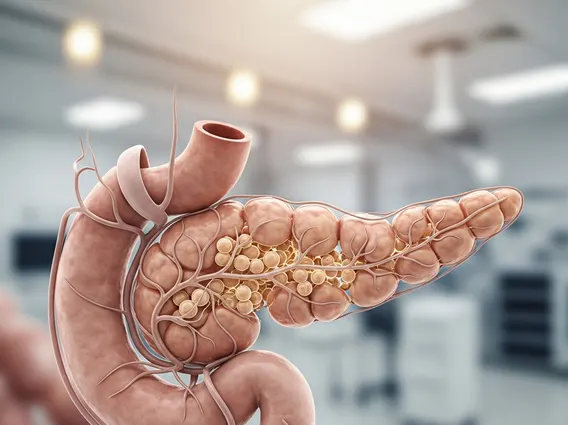
The Islet Of Langerhans Cell refers to the specialized endocrine cells found within the pancreas, crucial for regulating blood glucose levels and overall metabolic health. These cells are organized into clusters known as Islets of Langerhans, which are vital for producing and secreting hormones directly into the bloodstream.
Key Takeaways
- Islet Of Langerhans Cells are clusters of endocrine cells located within the pancreas.
- They are primarily responsible for producing hormones like insulin and glucagon, which regulate blood sugar.
- The main types of cells include alpha, beta, delta, PP, and epsilon cells, each secreting a specific hormone.
- Dysfunction of these cells is a primary cause of metabolic disorders, most notably diabetes mellitus.
- Understanding these cells is crucial for diagnosing and managing various endocrine conditions.
What is an Islet Of Langerhans Cell and Where is it Located?
An Islet Of Langerhans Cell is a component of the Islets of Langerhans, which are microscopic clusters of endocrine cells scattered throughout the pancreas. These islets constitute only 1-2% of the pancreatic mass but are highly vascularized and innervated, reflecting their critical role in the body’s endocrine system. The primary function of these cells is to monitor blood glucose levels and release hormones that maintain metabolic homeostasis.
Regarding where are islet of Langerhans cells located, they are found embedded within the exocrine tissue of the pancreas. The pancreas itself is an elongated, tapered organ located deep in the abdomen, behind the stomach, and in front of the spine. While distributed throughout the pancreas, the islets are more numerous in the tail region of the organ. Their strategic location allows them to directly sense changes in blood glucose and respond rapidly by secreting appropriate hormones.
Types of Cells in Islets of Langerhans and Their Functions
The Islets of Langerhans are composed of several distinct types of cells, each responsible for producing and secreting specific hormones. Understanding the types of cells in islets of Langerhans is key to appreciating their complex regulatory roles. The main cell types and their primary hormones include:
- Alpha cells (α-cells): Produce glucagon, which raises blood glucose levels by stimulating the liver to convert stored glycogen into glucose (glycogenolysis) and synthesize glucose from non-carbohydrate sources (gluconeogenesis).
- Beta cells (β-cells): Produce insulin, the most abundant hormone from the islets. Insulin lowers blood glucose levels by promoting glucose uptake by cells, especially in muscle and fat tissue, and by stimulating the liver to store glucose as glycogen.
- Delta cells (δ-cells): Produce somatostatin, a hormone that inhibits the secretion of both insulin and glucagon, thereby modulating the activity of alpha and beta cells.
- PP cells (γ-cells or F cells): Produce pancreatic polypeptide, which helps regulate pancreatic secretion and gastrointestinal motility.
- Epsilon cells (ε-cells): Produce ghrelin, a hormone primarily known for stimulating appetite.
The coordinated function of islet of Langerhans cells is to maintain a stable blood glucose concentration, preventing both hyperglycemia (high blood sugar) and hypoglycemia (low blood sugar). This intricate balance is vital for providing energy to cells and ensuring proper organ function, particularly for the brain, which relies almost exclusively on glucose for fuel.
Islet Of Langerhans Cell Diseases and Related Conditions
Dysfunction or damage to the Islet Of Langerhans Cells can lead to a range of significant health problems, collectively known as islet of Langerhans cell diseases. The most prevalent and well-known condition associated with these cells is diabetes mellitus. In Type 1 diabetes, the body’s immune system mistakenly attacks and destroys the insulin-producing beta cells, leading to an absolute deficiency of insulin. This requires external insulin administration for survival.
Type 2 diabetes, while more complex, also involves impaired beta-cell function and insulin resistance, where the body’s cells do not respond effectively to insulin. Over time, the beta cells may become exhausted and unable to produce sufficient insulin to overcome this resistance. Other, rarer conditions include tumors of the islet cells, such as insulinomas (which produce excessive insulin, leading to hypoglycemia), glucagonomas (producing too much glucagon, causing hyperglycemia), and somatostatinomas (producing excess somatostatin, which can lead to diabetes, gallstones, and malabsorption). These conditions underscore the critical importance of healthy islet cell function for metabolic regulation.