Islet Cell Tumor
Islet Cell Tumors are a rare group of neuroendocrine tumors that originate in the pancreatic islet cells. Understanding these tumors is crucial for early detection and effective management, as they can significantly impact the body’s hormonal balance.
Key Takeaways
- Islet Cell Tumors are rare neuroendocrine tumors originating in the pancreas.
- They can be functional (producing hormones) or non-functional, leading to diverse symptoms.
- Symptoms often arise from hormone overproduction, such as low blood sugar or severe peptic ulcers.
- Diagnosis involves a combination of blood tests, imaging studies, and sometimes a biopsy.
- Treatment typically includes surgery, targeted therapies, and symptom management strategies.
What is an Islet Cell Tumor?
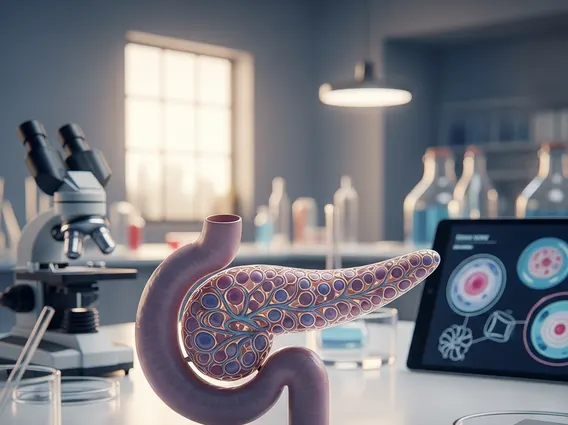
An Islet Cell Tumor refers to a rare type of neuroendocrine tumor that originates from the hormone-producing islet cells of the pancreas. These specialized cells are crucial for regulating blood sugar and other bodily functions by producing hormones such as insulin, glucagon, and somatostatin. While many islet cell tumors are benign, some can be malignant and have the potential to metastasize. They are considered uncommon, with an estimated incidence of less than 1 per 100,000 people annually, according to the National Cancer Institute.
These tumors are categorized as either functional or non-functional. Functional tumors actively produce an excess of specific hormones, leading to distinct clinical syndromes. Non-functional tumors, conversely, do not produce significant amounts of hormones and are often detected later due to their size or pressure on adjacent organs. The specific hormone overproduced determines the tumor type, such as insulinomas (excess insulin) or gastrinomas (excess gastrin).
Recognizing Islet Cell Tumor Symptoms and Causes
The clinical presentation of islet cell tumor symptoms causes varies considerably based on the tumor’s functionality and the specific hormone it produces. Functional tumors often present with symptoms directly related to hormonal overproduction. For example, insulinomas lead to hypoglycemia (low blood sugar), which can manifest as:
- Dizziness, confusion, and weakness
- Sweating, tremors, and intense hunger
- Blurred vision or double vision
Gastrinomas, which secrete excessive gastrin, can cause Zollinger-Ellison syndrome, characterized by severe peptic ulcers, chronic abdominal pain, and diarrhea. Glucagonomas may result in a distinctive skin rash known as necrolytic migratory erythema, along with diabetes and unexplained weight loss. Non-functional tumors typically remain asymptomatic until they grow large enough to exert pressure on surrounding structures, potentially causing abdominal discomfort, jaundice, or weight loss. The precise causes of most islet cell tumors are not fully understood, though a small percentage are linked to genetic conditions like Multiple Endocrine Neoplasia type 1 (MEN1). The majority of cases are sporadic.
Diagnosing and Treating Islet Cell Tumors
The comprehensive process of diagnosing islet cell tumors typically involves a combination of specialized blood tests, advanced imaging studies, and often a tissue biopsy. Blood tests are vital for functional tumors, as they can identify elevated levels of specific hormones (e.g., insulin, gastrin) or relevant tumor markers. Imaging techniques are essential for pinpointing the tumor’s location, size, and assessing for any spread.
Common diagnostic approaches include:
- Blood Tests: To measure hormone levels and specific tumor markers.
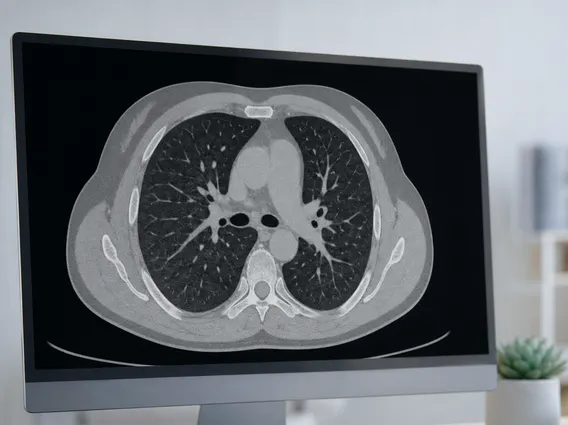
- Cross-sectional Imaging: Such as CT scans or MRI of the abdomen, providing detailed views of the pancreas.
- Endoscopic Ultrasound (EUS): Offers high-resolution images of the pancreas and facilitates guided biopsy.
- Somatostatin Receptor Scintigraphy (SRS): A nuclear medicine scan that helps identify neuroendocrine tumors based on receptor expression.
- Biopsy: A definitive tissue sample analysis to confirm diagnosis and characterize the tumor.
Following diagnosis, islet cell tumor treatment options are highly individualized, taking into account the tumor’s type, size, location, functional status, and metastatic spread. Surgical resection is frequently the primary treatment, aiming for complete tumor removal, especially for localized disease. For functional tumors, surgery can effectively alleviate hormone-related symptoms.
For tumors that are inoperable or have metastasized, other therapeutic strategies include:
- Targeted Therapies: Medications designed to interfere with specific molecules involved in cancer growth and progression.
- Chemotherapy: Utilized for more aggressive or advanced tumors.
- Somatostatin Analogs: Drugs like octreotide or lanreotide, which can manage hormone overproduction and inhibit tumor growth.
- Liver-directed Therapies: For liver metastases, procedures such as embolization or radiofrequency ablation may be considered.
The overarching goals of treatment are tumor control, symptom management, prevention of further spread, and enhancement of the patient’s quality of life. Ongoing monitoring is crucial for detecting recurrence or progression.