Incubated
“Incubated” is a term with significant implications in the medical and clinical fields, often referring to a state of development or a controlled environment crucial for health outcomes. This article explores its various medical contexts, from the progression of diseases to specialized equipment used in healthcare.

Key Takeaways
- Incubated medically refers to a state of development, often of a disease agent within a host or an organism in a controlled environment.
- The incubation period is the time between exposure to a pathogen and the onset of symptoms.
- Medical incubators are specialized devices providing optimal conditions for premature infants or cell cultures.
- Understanding these concepts is vital for disease management and patient care.
What is Incubated: Definition and Medical Context
Incubated refers to the state of being kept under specific environmental conditions, typically controlled temperature, humidity, and other factors, to allow for growth, development, or reaction. In a medical context, this term primarily applies in two main ways: the development of a disease within a host organism before symptoms appear, and the use of specialized equipment to provide an optimal environment for biological processes or vulnerable patients. This understanding the incubation process is fundamental to epidemiology and clinical practice, as it helps predict disease progression and manage patient care effectively.
The Incubation Period of Diseases Explained
The incubation period is the interval between exposure to an infectious agent and the appearance of the first symptoms of the disease. During this time, the pathogen replicates within the host, but the host remains asymptomatic. The length of an incubation period can vary significantly depending on the specific pathogen, the dose of exposure, the route of infection, and the host’s immune response. For instance, the incubation period for influenza can range from 1 to 4 days, while for some viral hepatitis types, it can extend to several months. Understanding these periods is crucial for public health interventions, such as contact tracing and isolation measures, to prevent further spread. According to the World Health Organization (WHO), knowing the typical incubation period for a disease is essential for defining quarantine durations and assessing the risk of transmission.
Medical Incubators: Types and Clinical Applications
Medical incubators are specialized devices designed to provide a controlled, stable environment for specific biological needs. These devices are critical in various clinical settings, ensuring optimal conditions for growth, development, or recovery.
What is an incubator and how does it work?
An incubator is an enclosed apparatus that maintains specific environmental conditions, such as temperature, humidity, and oxygen levels, to support biological processes. In a medical context, these devices typically work by using sensors to monitor internal conditions and heating/cooling elements, humidifiers, and gas regulators to adjust the environment as needed. This precise control is vital for the delicate subjects they house, preventing external fluctuations from impacting their health or development.
Different types of incubators explained are employed across healthcare for distinct purposes, each tailored to meet specific physiological or experimental requirements. These include:
- Neonatal Incubators: These are perhaps the most well-known type, providing a stable, warm, and humid environment for premature or critically ill newborns. They protect infants from infection, regulate body temperature, and facilitate observation and care, significantly improving survival rates and developmental outcomes.
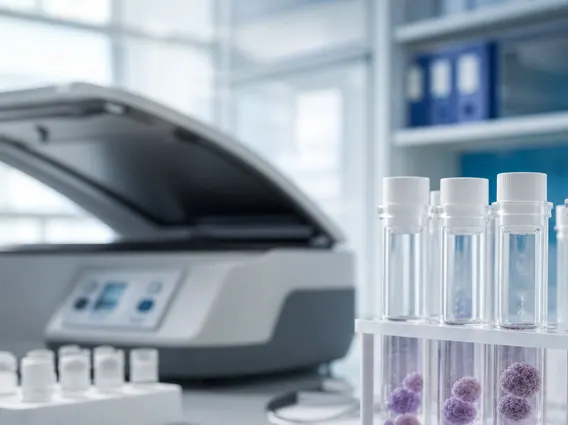
- Laboratory Incubators: Used extensively in research and clinical laboratories, these incubators maintain optimal conditions for cell cultures, bacterial growth, and other biological samples. They are essential for diagnostics, drug discovery, and scientific studies, enabling precise control over microbial and cellular environments.
- CO2 Incubators: A specialized type of laboratory incubator that precisely controls carbon dioxide levels, crucial for maintaining the pH of cell culture media. This is vital for the optimal growth of mammalian cells, which are sensitive to pH fluctuations.
The use of medical incubators significantly improves outcomes for vulnerable populations, such as preterm infants, by mitigating environmental stressors and supporting their delicate physiological systems. Their role in both patient care and scientific advancement underscores their importance in modern medicine.