Inclusion
In the realm of medicine, Inclusion refers to the presence of distinct substances or structures within cells or tissues, which can be either normal physiological components or pathological indicators. Understanding these cellular or tissue inclusions is fundamental for accurate diagnosis and research across various medical disciplines.

Key Takeaways
- Inclusion, in a medical context, signifies substances or structures found within cells or tissues.
- These inclusions are crucial diagnostic markers for a range of diseases, from viral infections to genetic disorders.
- Accurate identification of inclusions is vital for effective patient management and public health initiatives.
- Promoting robust research and diagnostic practices related to inclusions enhances medical understanding and patient outcomes.
What is Inclusion and Why It Is Important
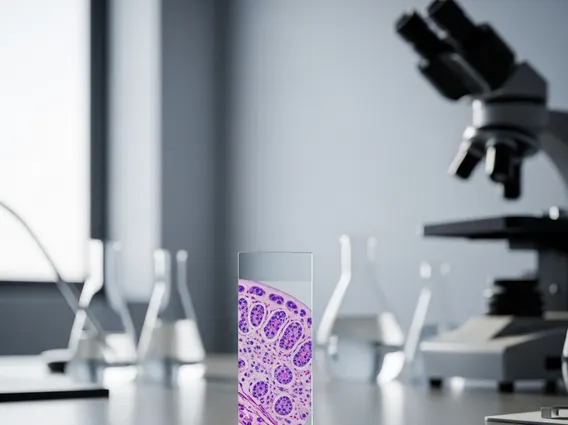
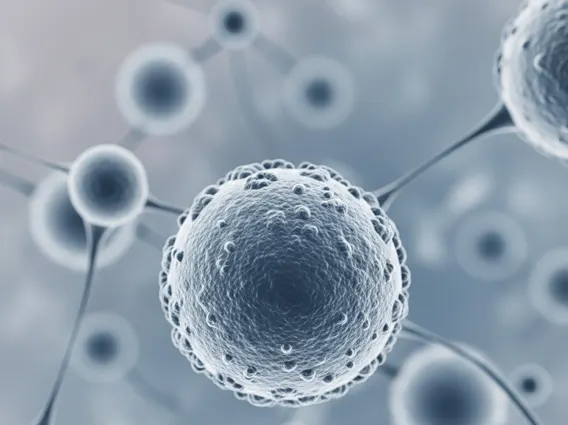
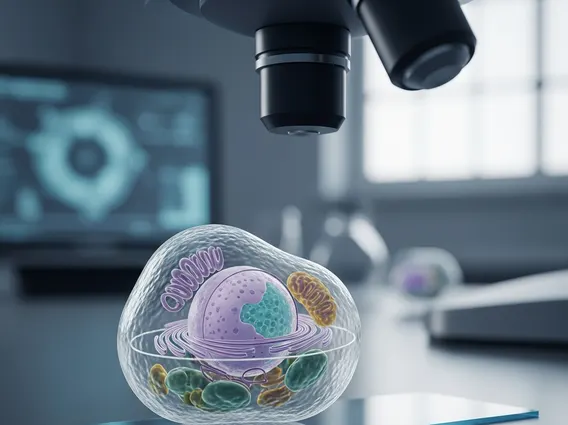
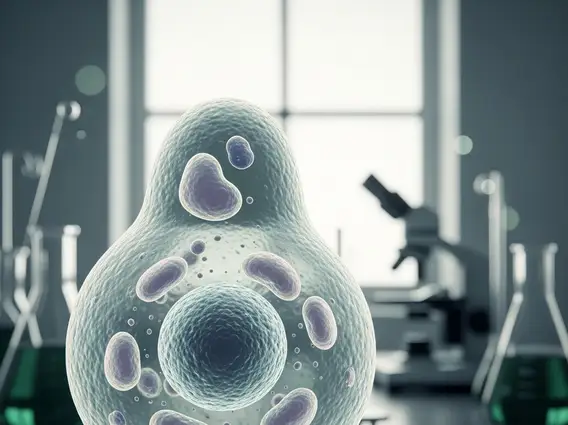
Inclusion refers to any aggregate of substances or structures found within a cell’s cytoplasm or nucleus, or within tissues. These can range from normal cellular components like lipid droplets or glycogen granules to abnormal accumulations such as viral particles, misfolded proteins, or foreign materials. For instance, in virology, “inclusion bodies” are often hallmarks of viral replication, representing sites where viral components accumulate. The precise identification and characterization of these inclusions are paramount in medical diagnostics. They serve as critical indicators for various conditions, including infectious diseases, metabolic disorders, and neurodegenerative conditions, guiding clinicians toward correct diagnoses and appropriate treatment strategies. Understanding what is Inclusion and why it is important allows medical professionals to interpret cellular changes accurately, contributing significantly to patient care and disease surveillance. This diagnostic precision is crucial for preventing disease progression and implementing timely public health interventions.
Promoting Inclusion: Benefits and Real-World Examples
While the term “Inclusion” in a medical context refers to specific cellular or tissue structures, the concept of “promoting Inclusion” can be interpreted as fostering an environment that supports the advanced study, accurate identification, and effective management of these medical phenomena. This proactive approach yields substantial benefits across the healthcare spectrum.
One key area is the benefits of workplace inclusion in medical laboratories and research settings. A workplace that values meticulous observation, interdisciplinary collaboration, and continuous education regarding cellular and tissue inclusions ensures higher diagnostic accuracy and fosters innovative research. Such an environment also encourages the sharing of complex case studies and the development of standardized protocols, further enhancing diagnostic reliability across institutions. For example, a laboratory team proficient in identifying specific viral inclusion bodies can quickly diagnose outbreaks, preventing wider community spread. This collaborative environment ensures that diverse perspectives contribute to complex diagnostic challenges, leading to more robust findings.
Examples of inclusion in daily life often manifest through diagnostic processes that directly impact patient outcomes. These diagnostic insights, derived from the careful study of inclusions, are integral to modern medicine, providing clarity in otherwise ambiguous clinical presentations:
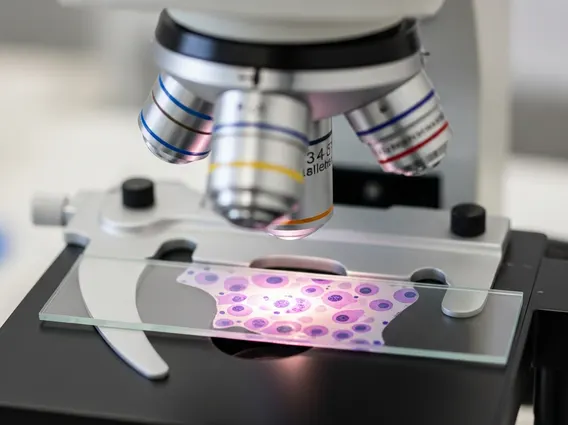
- When a pathologist identifies specific protein inclusions in brain tissue, it can confirm a diagnosis of a neurodegenerative disease, allowing families to understand the condition and plan for care.
- Similarly, the detection of bacterial or parasitic inclusions in clinical samples guides treatment decisions, directly affecting a patient’s recovery and quality of life.
To address how to promote inclusion in communities from a medical standpoint, efforts should focus on public health education and research funding. Raising awareness about diseases characterized by specific inclusions (e.g., certain viral infections or genetic conditions) can empower communities to seek early diagnosis and adhere to preventive measures. Furthermore, robust funding for research into the formation, function, and therapeutic targeting of pathological inclusions is essential. This investment drives the development of new diagnostic tools and treatments, ultimately improving community health and well-being.