Imrt
Intensity-Modulated Radiation Therapy (IMRT) is an advanced form of radiation treatment used to precisely target cancerous tumors. This technique allows for a highly conformal dose of radiation to be delivered to the tumor while minimizing exposure to surrounding healthy tissues.
Key Takeaways
- IMRT is a precise radiation therapy that shapes radiation beams to match tumor contours.
- It uses computer-controlled linear accelerators to deliver varying radiation intensities.
- The primary goal is to maximize tumor dose while sparing healthy tissue.
- Benefits include reduced side effects and higher dose delivery to complex tumors.
- Potential side effects are generally localized and depend on the treated area.
What is IMRT (Intensity-Modulated Radiation Therapy)?
IMRT (Intensity-Modulated Radiation Therapy) is a sophisticated type of external beam radiation therapy that utilizes advanced computer technology to deliver precise radiation doses to cancerous tumors. This technique represents a significant advancement in IMRT cancer treatment explained by its ability to conform radiation beams to the exact shape of a tumor, even if it has an irregular shape. Unlike conventional radiation therapy, which delivers a uniform dose across the entire treatment field, IMRT allows the radiation intensity to be varied across the treatment area. This capability enables oncologists to deliver higher, more effective doses to the tumor while significantly reducing the radiation exposure to nearby healthy organs and tissues. The primary goal of IMRT is to improve tumor control and reduce treatment-related side effects, thereby enhancing the patient’s quality of life during and after therapy.
How Does IMRT Work?
The mechanism of IMRT involves a highly sophisticated process that combines advanced imaging, treatment planning, and radiation delivery. Before treatment begins, patients undergo detailed imaging scans, such as CT, MRI, or PET, to precisely map the tumor’s location, shape, and size, as well as the surrounding healthy organs. This imaging data is then fed into specialized treatment planning software. Radiation oncologists and medical physicists use this software to design a customized treatment plan that specifies the exact radiation dose for the tumor and the maximum allowable dose for adjacent critical structures.
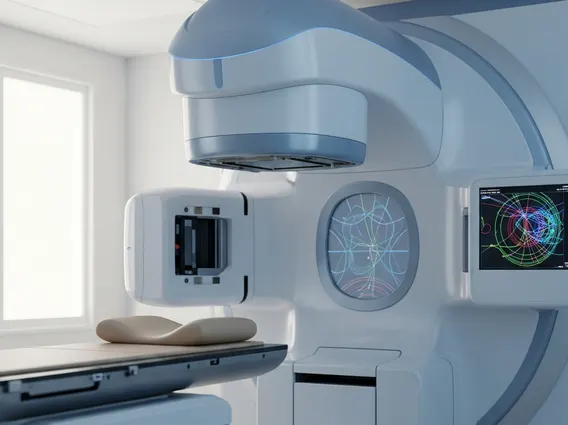
During the actual treatment, a linear accelerator (linac) delivers high-energy X-rays to the patient. The linac is equipped with a multi-leaf collimator (MLC), which consists of numerous small, independently movable “leaves” that can block or shape the radiation beam. As the linac rotates around the patient, these leaves move in real-time, dynamically adjusting the shape and intensity of the radiation beam to precisely match the tumor’s contour from various angles. This dynamic modulation ensures that the radiation dose is concentrated on the tumor while minimizing scatter to healthy tissues.
Here are the key steps involved in IMRT delivery:
- Imaging and Simulation: Detailed scans (CT, MRI) are performed to create a 3D map of the tumor and surrounding anatomy.
- Treatment Planning: Medical physicists and radiation oncologists use specialized software to design a personalized plan, determining optimal beam angles and intensity patterns.
- Beam Delivery: A linear accelerator delivers radiation, with its multi-leaf collimator constantly adjusting to shape the beams according to the plan.
- Image Guidance: Many IMRT systems incorporate image-guided radiation therapy (IGRT) to verify tumor position before and during each treatment session, ensuring accuracy.
Benefits and Side Effects of IMRT
IMRT benefits and side effects are crucial considerations for patients undergoing this advanced radiation therapy. The primary benefit of IMRT is its exceptional precision, which allows for a higher, more effective dose of radiation to be delivered to the tumor while significantly reducing damage to nearby healthy tissues and organs. This precision is particularly advantageous for tumors located near sensitive structures, such as the spinal cord, brain, or salivary glands. By sparing healthy tissue, IMRT can lead to a reduction in the severity and incidence of many common side effects associated with traditional radiation therapy. For example, in head and neck cancers, IMRT can help preserve salivary gland function, reducing the risk of dry mouth (xerostomia).
However, like all medical treatments, IMRT is associated with potential side effects, which vary depending on the treated area and the individual patient. These side effects are generally localized to the treatment area and can include:
- Skin irritation: Redness, dryness, itching, or peeling in the treated area.
- Fatigue: A common systemic side effect that can range from mild to severe.
- Hair loss: If the scalp is in the treatment field.
- Nausea or diarrhea: If the abdomen or pelvis is treated.
- Sore throat or difficulty swallowing: For head and neck treatments.
Most side effects are temporary and resolve within weeks or months after treatment completion. Patients are closely monitored by their oncology team, who can provide supportive care and medications to manage any discomfort. Long-term side effects are less common but can occur, and patients should discuss these possibilities thoroughly with their healthcare provider.