Chromosome
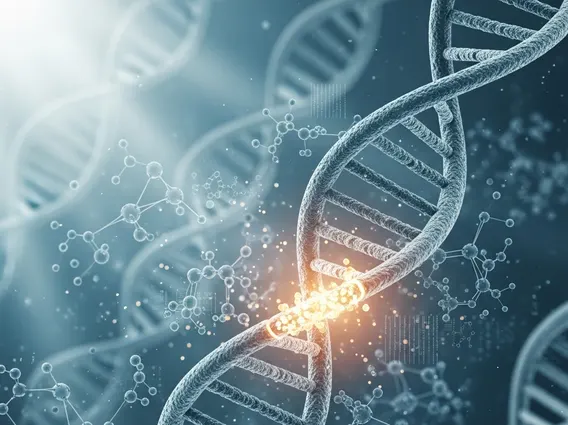
A Chromosome is a thread-like structure found within the nucleus of animal and plant cells, carrying genetic information in the form of genes. These essential components play a critical role in heredity and cellular function.
Key Takeaways
- Chromosomes are structures within cells that contain DNA, organizing genetic material.
- They ensure accurate DNA replication and distribution during cell division.
- Each chromosome consists of DNA tightly coiled around proteins called histones.
- Humans typically have 46 chromosomes, divided into autosomes and sex chromosomes.
- Understanding chromosomes is fundamental to genetics, health, and disease.
What is a Chromosome?
A chromosome is a highly organized structure of DNA and protein found inside the nucleus of eukaryotic cells. It serves as a compact package for the vast amount of genetic material, ensuring that DNA is properly replicated and distributed to daughter cells during cell division. Without chromosomes, the complex process of cell division and the accurate transmission of genetic traits would be impossible.
These structures are not always visible; they become condensed and identifiable under a light microscope primarily during the metaphase stage of cell division. When a cell is not dividing, chromosomes exist in a less condensed form called chromatin, allowing for gene expression and DNA replication.
Chromosome Structure and Function
The intricate chromosome structure and components are crucial for its biological role. Each chromosome is primarily composed of a single, long molecule of DNA tightly coiled around proteins called histones. This DNA-protein complex is known as chromatin. The histones act like spools, allowing the DNA to be wound compactly, fitting the immense length of DNA into the tiny nucleus of a cell.
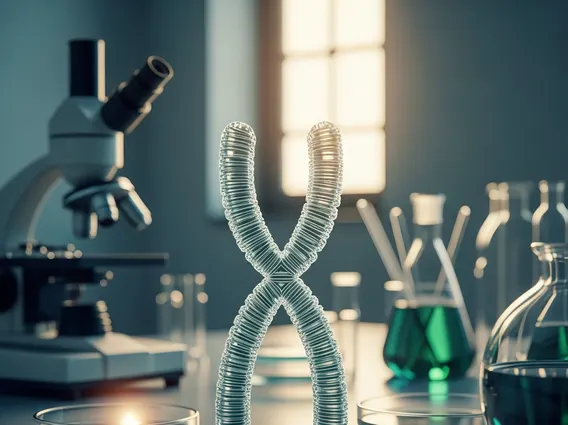
During cell division, a chromosome typically appears as two identical sister chromatids joined at a central region called the centromere. The telomeres are protective caps at the ends of each chromosome arm, preventing degradation and fusion with other chromosomes. The primary chromosome function in the body is to carry genetic information (genes) from one generation to the next, ensuring the accurate replication and segregation of DNA during cell division (mitosis and meiosis). This precise distribution is vital for growth, repair, and reproduction, maintaining the genetic integrity of an organism.
Types of Human Chromosomes
Humans typically have 46 chromosomes arranged in 23 pairs, which are categorized into two main types of human chromosomes: autosomes and sex chromosomes. Each pair consists of one chromosome inherited from the mother and one from the father.
- Autosomes: These are the 22 pairs of non-sex chromosomes (numbered 1 to 22) that carry genes for all traits except those determining sex. They are present in both males and females in equal numbers and are responsible for the vast majority of an individual’s genetic characteristics.
- Sex Chromosomes: This single pair of chromosomes determines an individual’s biological sex. Females typically have two X chromosomes (XX), while males typically have one X and one Y chromosome (XY). The X and Y chromosomes also carry genes for other traits beyond sex determination.
Variations in the number or structure of these chromosomes can lead to various genetic conditions, highlighting their fundamental importance in human health and development.