Imaging Test
An imaging test is a crucial diagnostic tool used in medicine to visualize the internal structures of the body. These tests help healthcare professionals detect, diagnose, and monitor various medical conditions, often without the need for invasive procedures.
Key Takeaways
- Imaging Test refers to non-invasive medical procedures that create visual representations of the body’s interior.
- Various types of imaging tests exist, including X-rays, CT scans, MRIs, and ultrasounds, each utilizing different technologies.
- These tests work by employing radiation, magnetic fields, or sound waves to generate detailed images.
- The primary purpose is to aid in accurate diagnosis, treatment planning, and monitoring of diseases.
- Benefits include early detection, precise localization of issues, and reduced need for exploratory surgery.
What is an Imaging Test?
An Imaging Test refers to a range of medical procedures that create visual representations of the inside of the body. These non-invasive diagnostic tools are fundamental in modern healthcare, allowing physicians to examine organs, bones, and tissues for abnormalities, injuries, or diseases. The primary goal of an imaging test is to provide detailed insights into a patient’s condition, which is vital for accurate diagnosis, guiding treatment decisions, and monitoring disease progression.
These tests are often ordered when a patient presents with symptoms that require further investigation beyond a physical examination or blood tests. They can reveal structural changes, inflammation, tumors, fractures, and other internal issues that might otherwise remain undetected. The information gathered from these tests helps healthcare providers develop the most effective care plans for their patients.
Types of Medical Imaging Tests and How They Work
There are several distinct types of medical imaging tests, each employing different technologies to generate images. Understanding how do imaging tests work for each modality helps appreciate their specific applications and diagnostic strengths. These technologies range from using electromagnetic radiation to sound waves and magnetic fields.
Here is a summary of common imaging tests and their mechanisms:
| Imaging Test Type | How It Works | Primary Use |
|---|---|---|
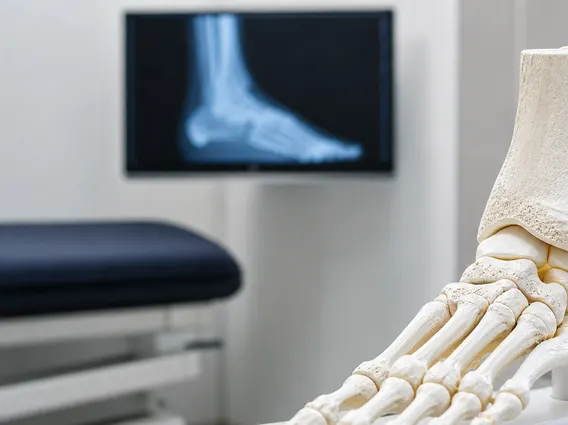
| X-ray (Radiography) | Uses a small dose of ionizing radiation to create images of bones and some soft tissues. Denser materials (like bone) absorb more radiation and appear white. | Detecting fractures, pneumonia, certain tumors, and dental issues. |
| Computed Tomography (CT) Scan | Combines a series of X-ray images taken from different angles around the body and uses computer processing to create cross-sectional images (slices) of bones, blood vessels, and soft tissues. | Detailed imaging of internal organs, bones, soft tissues, and blood vessels; often used for trauma, cancer staging, and stroke assessment. |
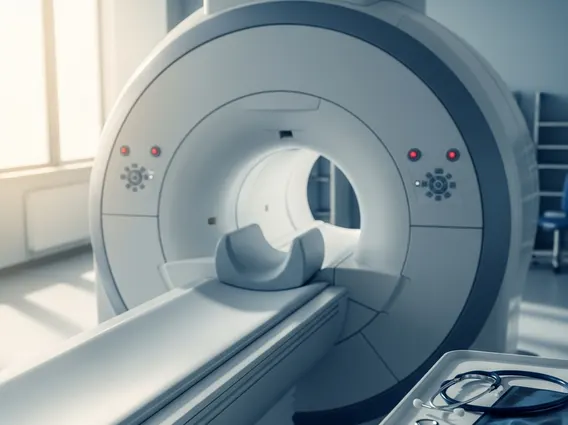
| Magnetic Resonance Imaging (MRI) | Uses a powerful magnetic field and radio waves to create detailed images of organs and soft tissues. It does not use ionizing radiation. | Excellent for visualizing the brain, spinal cord, joints, ligaments, muscles, and soft tissue tumors. |
| Ultrasound (Sonography) | Employs high-frequency sound waves that bounce off body structures to create real-time images. A transducer sends and receives these sound waves. | Examining internal organs (e.g., heart, liver, kidneys), blood vessels, and monitoring fetal development during pregnancy. |
| Positron Emission Tomography (PET) Scan | Involves injecting a small amount of radioactive tracer into the body. The tracer accumulates in areas of high metabolic activity (like cancer cells), which are then detected by the scanner. | Detecting cancer, assessing heart function, and evaluating brain disorders. |
Each method offers unique advantages, making them suitable for different diagnostic challenges. For example, X-rays are quick and effective for bone issues, while MRIs provide unparalleled detail for soft tissues.
Benefits of Imaging Tests
The benefits of imaging tests are extensive, making them indispensable tools in modern medicine. These tests significantly enhance a physician’s ability to provide accurate and timely care, ultimately improving patient outcomes. One of the primary advantages is their non-invasive nature, which often allows for diagnosis without the need for surgery or other intrusive procedures.
Key benefits include:
- Early Detection: Imaging can identify diseases in their early stages, such as small tumors or early signs of organ damage, when treatment is often most effective.
- Accurate Diagnosis: They provide detailed visual evidence that helps confirm or rule out specific conditions, leading to more precise diagnoses.
- Treatment Planning: Imaging guides surgeons and oncologists in planning procedures, radiation therapy, and other treatments by precisely locating affected areas.
- Monitoring Disease Progression: Regular imaging can track how a disease is evolving or responding to treatment, allowing for adjustments to care plans as needed.
- Reduced Need for Exploratory Surgery: By providing clear internal views, imaging tests can often eliminate the need for invasive exploratory surgeries, reducing patient risk and recovery time.
These diagnostic capabilities empower healthcare providers to make informed decisions, leading to more targeted and effective interventions for a wide range of medical conditions.