Idiopathic Pulmonary Fibrosis
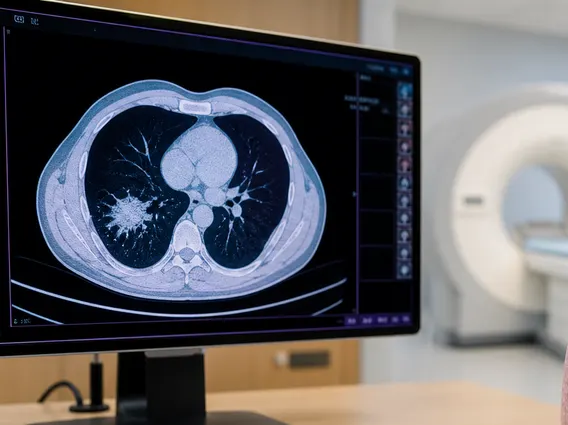
Idiopathic Pulmonary Fibrosis (IPF) is a chronic, progressive lung disease that leads to the irreversible scarring of lung tissue. This condition significantly impairs the lungs’ ability to transfer oxygen, making breathing increasingly difficult over time.
Key Takeaways
- IPF is a severe, progressive lung disease characterized by the thickening and scarring of lung tissue.
- The term “idiopathic” signifies that the exact cause of the disease is currently unknown.
- Common symptoms include persistent shortness of breath, a dry cough, and fatigue, which worsen over time.
- Risk factors include advanced age, smoking, certain environmental exposures, and a family history of the disease.
- While there is no cure, treatments aim to slow disease progression and manage symptoms.
What is Idiopathic Pulmonary Fibrosis (IPF)?
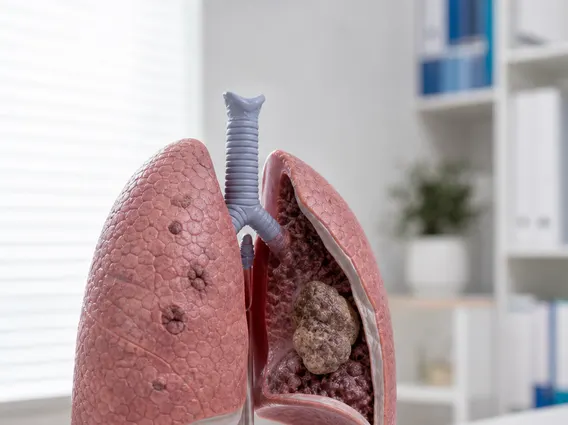
Idiopathic Pulmonary Fibrosis (IPF) is a serious and progressive lung condition where the tissue deep within the lungs becomes thick and stiff over time. This scarring, known as fibrosis, gradually reduces the lungs’ capacity to function effectively, making it harder for oxygen to pass into the bloodstream. The term “idiopathic” is crucial, as it means the specific cause of the disease is unknown, distinguishing it from other forms of pulmonary fibrosis that have identifiable causes.
When idiopathic pulmonary fibrosis is explained, it’s understood as a type of interstitial lung disease that primarily affects adults, typically over the age of 50. The progression of IPF varies among individuals, but it generally leads to a steady decline in lung function. According to the Pulmonary Fibrosis Foundation, IPF affects approximately 100,000 Americans, with 30,000-40,000 new diagnoses each year, highlighting its significant impact on public health.
Symptoms of Idiopathic Pulmonary Fibrosis
The idiopathic pulmonary fibrosis symptoms often develop gradually and can be mistaken for other, less severe conditions like asthma or chronic obstructive pulmonary disease (COPD). Recognizing these signs early is important for diagnosis and management. As the disease progresses, symptoms tend to become more pronounced and debilitating.
Common symptoms associated with IPF include:
- Shortness of Breath (Dyspnea): Initially, this may only occur during physical activity, but it can eventually become constant, even at rest.
- Persistent Dry Cough: A chronic, hacking cough that does not produce mucus is a hallmark symptom.
- Fatigue: A general feeling of tiredness and lack of energy is common due to the body’s reduced oxygen supply.
- Clubbing of Fingers and Toes: In some cases, the tips of the fingers and toes may widen and become rounded, a sign of chronic low oxygen levels.
- Unexplained Weight Loss: Some individuals may experience unintentional loss of body weight.
During a physical examination, a doctor might hear distinctive crackling sounds in the lungs, often described as “Velcro rales,” which are characteristic of IPF.
Causes and Risk Factors for IPF
While the exact causes of idiopathic pulmonary fibrosis remain unknown, research has identified several factors that may increase an individual’s risk of developing the condition. The “idiopathic” nature means that, unlike other forms of pulmonary fibrosis, there isn’t a clear, single trigger that can be pinpointed for every case.
However, several risk factors have been consistently associated with IPF:
- Age: IPF is more common in older adults, typically diagnosed in individuals over 50 years old.
- Smoking: Cigarette smoking is considered the strongest known risk factor for IPF.
- Gender: Men are diagnosed with IPF more frequently than women.
- Genetics and Family History: Approximately 5-10% of IPF cases are familial, suggesting a genetic predisposition.
- Environmental Exposures: Exposure to certain types of dusts, such as metal dust, wood dust, silica, and agricultural dusts, may increase risk.
- Gastroesophageal Reflux Disease (GERD): While not a direct cause, GERD is frequently observed in individuals with IPF, and its role in disease progression is an area of ongoing study.
- Certain Viral Infections: Some studies suggest a potential link between certain viral infections (e.g., Epstein-Barr virus, herpesviruses) and the development of IPF, though the evidence is not conclusive.
Understanding these risk factors can help in identifying individuals who may be at higher risk, though it is important to remember that many people with these risk factors never develop IPF, and some people with IPF have no identifiable risk factors.