
Hypoxia
Hypoxia is a critical medical condition characterized by an insufficient supply of oxygen to the body’s tissues. This deprivation can impair normal cellular function and, if prolonged or severe, lead to significant organ damage or even death.
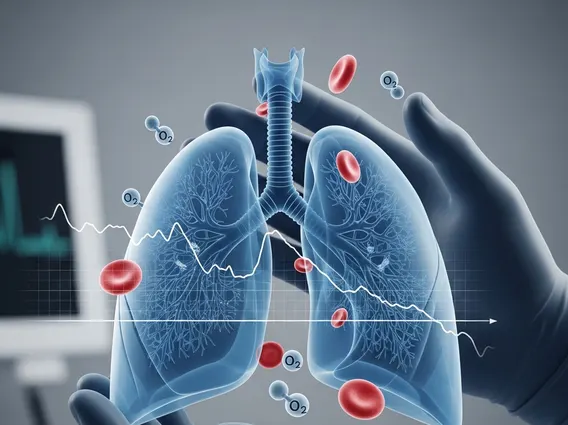
Key Takeaways
- Hypoxia is a state where the body or a region of the body is deprived of adequate oxygen supply at the tissue level.
- It can arise from various causes, including respiratory diseases, circulatory problems, or reduced oxygen availability in the environment.
- Common symptoms include shortness of breath, confusion, rapid heart rate, and cyanosis.
- There are several types of hypoxia, each stemming from a different physiological mechanism affecting oxygen delivery or utilization.
- Untreated hypoxia can lead to severe complications, particularly affecting the brain, heart, and other vital organs.
What is Hypoxia?
Hypoxia refers to a condition in which the body or a region of the body is deprived of adequate oxygen supply at the tissue level. This is distinct from hypoxemia, which specifically describes a low oxygen level in the blood. While hypoxemia often leads to hypoxia, it is possible to have hypoxia without hypoxemia, such as when tissues cannot effectively utilize the oxygen delivered to them. Adequate oxygen is essential for cellular respiration, the process by which cells generate energy to perform their functions. When oxygen levels drop, cells struggle to produce energy, leading to impaired function and potential damage.
Understanding what is Hypoxia is crucial in various medical contexts, from emergency medicine to chronic disease management. The severity and duration of oxygen deprivation dictate the extent of its impact on the body, with vital organs like the brain and heart being particularly vulnerable to even short periods of insufficient oxygen.
Types, Symptoms, and Causes of Hypoxia
Hypoxia manifests in several forms, each with distinct underlying mechanisms. Recognizing the specific type is vital for accurate diagnosis and effective treatment. The primary types of hypoxia include:
- Hypoxemic Hypoxia: This is the most common type, resulting from insufficient oxygen in the arterial blood. It can be caused by conditions that impair lung function, such as pneumonia, chronic obstructive pulmonary disease (COPD), or high altitude where atmospheric oxygen pressure is lower.
- Anemic Hypoxia: Occurs when the blood’s oxygen-carrying capacity is reduced, typically due to a decrease in hemoglobin (e.g., anemia) or the presence of abnormal hemoglobin that cannot bind oxygen effectively (e.g., carbon monoxide poisoning).
- Stagnant (Ischemic) Hypoxia: Results from inadequate blood flow to tissues, even if the blood itself is well-oxygenated. This can be caused by heart failure, shock, or localized circulatory obstructions like a blood clot.
- Histotoxic Hypoxia: In this type, cells are unable to utilize oxygen effectively, despite adequate oxygen delivery and blood flow. This is often due to cellular poisoning, such as by cyanide, which interferes with the enzymes involved in cellular respiration.
The **hypoxia symptoms and causes** are varied and depend on the type, severity, and duration of oxygen deprivation. Common symptoms across different types of hypoxia often include:
- Shortness of breath (dyspnea)
- Rapid breathing (tachypnea)
- Rapid heart rate (tachycardia)
- Confusion or disorientation
- Headache
- Cyanosis (a bluish discoloration of the skin, lips, and nail beds due to deoxygenated blood)
- Dizziness or lightheadedness
- Fatigue
The underlying causes of hypoxia range from respiratory and cardiovascular diseases to environmental factors. Respiratory conditions like asthma, emphysema, and acute respiratory distress syndrome (ARDS) directly impair oxygen uptake in the lungs. Cardiovascular issues such as heart failure, congenital heart defects, and shock reduce the delivery of oxygenated blood to tissues. Other causes include exposure to toxins like carbon monoxide, severe anemia, and living or traveling to high altitudes without proper acclimatization.
Effects of Hypoxia on the Body
The **effects of hypoxia on the body** can be widespread and severe, particularly affecting organs with high oxygen demands, such as the brain and heart. When oxygen supply is insufficient, cells switch to anaerobic metabolism, which is less efficient and produces lactic acid, leading to acidosis. Prolonged or severe hypoxia can result in irreversible cellular damage and organ dysfunction.
In the brain, hypoxia can cause cognitive impairment, memory loss, seizures, and, in severe cases, brain damage or coma. The heart may respond to oxygen deprivation by increasing its rate and force of contraction to compensate, but this can eventually lead to heart failure or arrhythmias. Other organs, including the kidneys and liver, can also suffer damage, impairing their ability to filter waste and metabolize substances. Chronic hypoxia can lead to pulmonary hypertension, a condition where blood pressure in the arteries leading to the lungs becomes abnormally high, further straining the heart. Early recognition and treatment of hypoxia are critical to prevent these serious and potentially life-threatening complications.



















