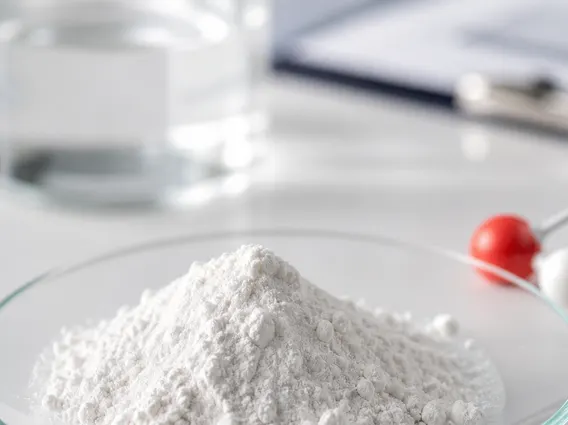
Lactic Acid
Lactic Acid is an organic compound that plays a crucial role in various biological processes, particularly in metabolism and energy production within the human body. Understanding its function and regulation is essential for comprehending physiological responses to exertion and certain medical conditions.

Key Takeaways
- Lactic Acid is a metabolic byproduct primarily formed during anaerobic respiration, especially in muscles during intense exercise.
- Its main function is to help produce energy when oxygen is limited, and it can also serve as a fuel source for other tissues.
- Excessive production or impaired clearance can lead to lactic acid buildup, causing symptoms like muscle fatigue and soreness.
- In skincare, Lactic Acid acts as an alpha hydroxy acid (AHA), offering benefits such as exfoliation, hydration, and improved skin texture.
What is Lactic Acid and Its Function?
Lactic Acid is an organic acid produced in the body during various metabolic processes, most notably during anaerobic glycolysis. This process occurs when cells break down glucose for energy without sufficient oxygen. Its primary function is multifaceted, serving as both an energy intermediate and a signaling molecule.
In conditions of high energy demand, such as during strenuous physical activity, muscle cells rapidly convert glucose into pyruvate, which is then converted into Lactic Acid. This conversion regenerates a molecule called NAD+, which is essential for glycolysis to continue producing ATP (adenosine triphosphate), the body’s main energy currency. Beyond its role in energy production, Lactic Acid can also be transported to other tissues, such as the liver and heart, where it can be converted back into glucose (via the Cori cycle) or oxidized for energy, demonstrating its versatility as a metabolic fuel.
Lactic Acid Production, Buildup, and Symptoms
Lactic Acid is primarily produced in the human body through a process called anaerobic glycolysis. This occurs when cells, particularly muscle cells during intense exercise, need to generate energy quickly but have insufficient oxygen supply. Glucose is broken down into pyruvate, which is then converted into Lactic Acid by the enzyme lactate dehydrogenase. This rapid production allows for continued ATP generation, sustaining muscle contraction even in oxygen-deprived states.
When the rate of Lactic Acid production exceeds its clearance by the liver, kidneys, and other tissues, it can lead to lactic acid buildup. This accumulation is a common cause of muscle fatigue, soreness, and a burning sensation experienced during and after intense physical activity. In more severe cases, often associated with underlying medical conditions like sepsis, heart failure, or severe infection, excessive Lactic Acid accumulation can lead to a dangerous condition known as lactic acidosis, characterized by a significant drop in blood pH.
Symptoms of significant lactic acid buildup or lactic acidosis can include:
- Nausea and vomiting
- Rapid and shallow breathing (Kussmaul breathing)
- Muscle cramps or weakness
- Abdominal pain
- General weakness and fatigue
- Confusion or altered mental status
It is important to differentiate between temporary, exercise-induced Lactic Acid buildup, which is a normal physiological response, and pathological lactic acidosis, which requires medical attention.
Lactic Acid Benefits and Uses in Skincare
Beyond its metabolic functions, Lactic Acid has found significant utility in the field of dermatology and cosmetics. As an alpha hydroxy acid (AHA), lactic acid benefits and uses in skin care are widely recognized for their exfoliating and hydrating properties. It is considered one of the milder AHAs, making it suitable for various skin types, including sensitive skin.
The primary benefits of Lactic Acid in skincare include:
| Benefit | Mechanism |
|---|---|
| Exfoliation | Helps to loosen and remove dead skin cells from the skin’s surface, promoting cell turnover. |
| Hydration | Acts as a humectant, drawing moisture into the skin and improving its natural moisturizing factor. |
| Improved Texture | Regular use can lead to smoother, softer skin with a more even tone. |
| Reduced Hyperpigmentation | Can help to fade dark spots and discoloration over time. |
Lactic Acid is commonly found in various skincare products, including cleansers, toners, serums, and moisturizers. Its ability to gently exfoliate while providing hydration makes it a popular ingredient for addressing concerns such as dullness, uneven skin tone, fine lines, and mild acne. When using products containing Lactic Acid, it is advisable to start with lower concentrations and gradually increase use, and always follow with sunscreen, as AHAs can increase sun sensitivity.