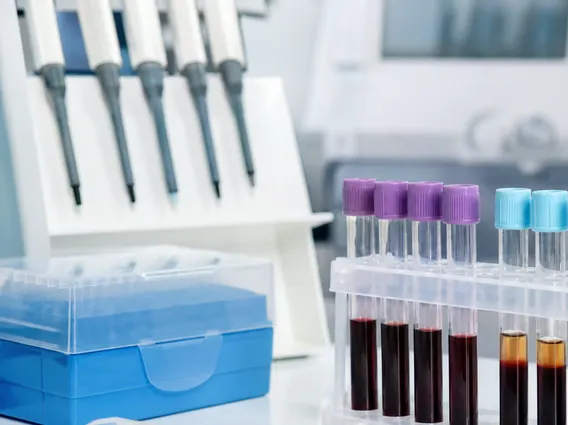
Laboratory Test
A Laboratory Test is a crucial diagnostic tool in modern medicine, providing essential insights into a patient’s health status. These tests analyze various biological samples to detect, diagnose, and monitor diseases, guiding effective treatment strategies.

Key Takeaways
- A Laboratory Test involves analyzing biological samples to provide objective health information.
- Their primary purposes include diagnosing conditions, monitoring disease progression, and screening for potential health issues.
- Tests encompass various fields such as hematology, clinical chemistry, microbiology, and pathology.
- The process typically involves sample collection, analysis using specialized equipment, and interpretation by trained professionals.
- Results from these tests are vital for informed medical decision-making and personalized patient care.
What is a Laboratory Test?
A Laboratory Test refers to a medical procedure that involves analyzing samples of blood, urine, tissue, or other bodily fluids or substances. These analyses are performed in a laboratory setting by trained professionals using specialized equipment and techniques. The primary goal is to obtain objective information about a patient’s health, which can aid in the detection, diagnosis, prognosis, treatment, and monitoring of various diseases and conditions. For instance, a complete blood count (CBC) can reveal anemia or infection, while a glucose test can indicate diabetes.
The information derived from these tests is critical for healthcare providers to make informed decisions regarding patient care. According to the Centers for Disease Control and Prevention (CDC), laboratory tests influence approximately 70% of medical decisions, highlighting their indispensable role in clinical practice.
Purpose and Types of Laboratory Tests
The purpose of lab tests is multifaceted, extending beyond simple diagnosis. They are instrumental in several aspects of healthcare, including:
- Diagnosis: Identifying the presence of a disease or condition, such as detecting specific antibodies for an infection.
- Monitoring: Tracking the progression of a disease or the effectiveness of a treatment, like monitoring blood sugar levels in diabetic patients.
- Screening: Detecting potential health problems before symptoms appear, such as cholesterol screenings for heart disease risk.
- Prognosis: Predicting the likely course and outcome of a disease.
- Guiding Treatment: Helping clinicians choose the most appropriate treatment plan, often by identifying specific markers that respond to certain therapies.
The types of laboratory tests explained cover a broad spectrum of medical disciplines, each focusing on different aspects of human biology. These categories ensure a comprehensive approach to patient evaluation and management.
- Hematology: Focuses on blood components, including red and white blood cells, and platelets. Examples include complete blood counts (CBC) and coagulation tests.
- Clinical Chemistry: Analyzes chemical components in blood and urine, such as electrolytes, enzymes, hormones, and metabolites, to assess organ function.
- Microbiology: Identifies infectious agents like bacteria, viruses, fungi, and parasites in various samples to diagnose infections.
- Pathology: Involves the microscopic examination of tissues (biopsies) and cells (cytology) to diagnose diseases like cancer.
- Immunology: Studies the immune system, detecting antibodies, antigens, and immune cell functions, crucial for diagnosing autoimmune diseases and allergies.
- Genetics: Analyzes DNA, RNA, and chromosomes to identify inherited conditions, predispositions to diseases, and genetic mutations.
How Laboratory Tests Work
The process of how laboratory tests work generally follows a systematic approach to ensure accuracy and reliability. It begins with the collection of a biological sample from the patient, which could be a blood draw, urine collection, tissue biopsy, or swab. This sample is then carefully labeled and transported to the laboratory under specific conditions to preserve its integrity.
Upon arrival, the sample undergoes preparation, which might involve centrifugation to separate components, staining for microscopic examination, or extraction of specific molecules. Highly specialized instruments and reagents are then used to analyze the sample. For example, automated analyzers can count blood cells, spectrophotometers can measure chemical concentrations, and PCR machines can detect genetic material. These instruments are calibrated and quality-controlled regularly to ensure precise results.
Once the analysis is complete, laboratory scientists and pathologists interpret the findings, comparing them against established reference ranges or clinical criteria. The results are then compiled into a report and sent to the ordering healthcare provider, who uses this information to diagnose, monitor, or manage the patient’s condition effectively. This intricate process ensures that clinicians receive timely and accurate data to guide medical decisions.