Dha Paclitaxel
Dha Paclitaxel is a novel formulation of the established chemotherapy drug paclitaxel, designed to enhance its delivery and efficacy in treating various cancers. This article delves into its composition, mechanism of action, and the potential side effects associated with its use.

Key Takeaways
- Dha Paclitaxel is a modified version of paclitaxel, conjugated with docosahexaenoic acid (DHA).
- This modification aims to improve the drug’s solubility, pharmacokinetics, and tumor-targeting capabilities.
- Its primary mechanism involves disrupting microtubule function, leading to cancer cell cycle arrest and death.
- Patients undergoing treatment may experience a range of side effects, similar to those of conventional paclitaxel, requiring careful management.
What is Dha Paclitaxel?
Dha Paclitaxel refers to a docosahexaenoic acid (DHA) conjugate of paclitaxel, an antineoplastic agent widely used in the treatment of various cancers. This innovative modification is engineered to enhance the therapeutic properties of paclitaxel by improving its solubility, optimizing its pharmacokinetic profile, and potentially increasing its selective delivery to tumor cells. By chemically linking paclitaxel to DHA, a naturally occurring omega-3 fatty acid, the formulation leverages the unique metabolic characteristics of cancer cells, which often exhibit an increased demand for fatty acids to support their rapid growth and proliferation.
The development of Dha Paclitaxel aims to overcome some of the limitations of conventional paclitaxel, such as its poor aqueous solubility, which necessitates the use of excipients that can sometimes cause hypersensitivity reactions. The DHA conjugation allows for a more favorable formulation, potentially leading to a better safety profile and improved patient tolerability while maintaining or enhancing its potent anti-cancer activity.
Dha Paclitaxel: Mechanism of Action and Drug Information
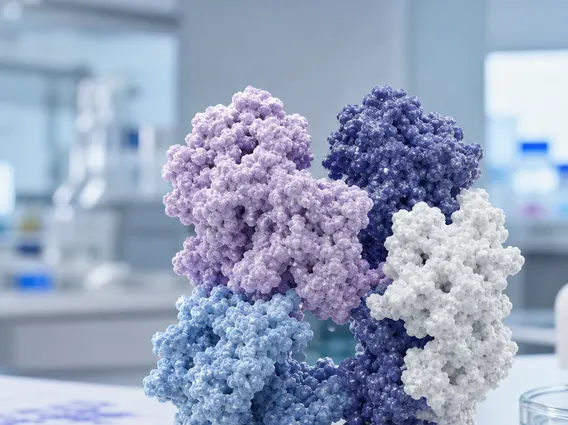
The Dha Paclitaxel mechanism of action is fundamentally rooted in the cytotoxic effects of its parent compound, paclitaxel. It functions as a microtubule-stabilizing agent, a critical process for cellular integrity and division. Microtubules are dynamic protein structures that form the cytoskeleton and are essential for various cellular functions, including intracellular transport and cell division. During mitosis, microtubules assemble into the mitotic spindle, which is crucial for the accurate segregation of chromosomes into daughter cells.
Dha Paclitaxel binds to the beta-tubulin subunit of microtubules, preventing their depolymerization and thus stabilizing them. This stabilization disrupts the normal dynamic equilibrium of microtubules, leading to the arrest of cancer cells in the G2/M phase of the cell cycle. Unable to complete division, these cells ultimately undergo apoptosis, or programmed cell death. This targeted disruption of cell division is central to its effectiveness against rapidly proliferating cancer cells. Further Dha Paclitaxel drug information suggests that the DHA conjugation may facilitate its uptake into tumor cells through fatty acid transporters, potentially resulting in higher intratumoral concentrations and improved therapeutic outcomes compared to unconjugated paclitaxel. This enhanced delivery system is designed to maximize the drug’s impact on cancerous tissues while potentially minimizing systemic exposure to healthy cells.
Potential Side Effects of Dha Paclitaxel
As with all potent chemotherapy agents, Dha Paclitaxel side effects can occur due to its impact on rapidly dividing cells throughout the body, not exclusively cancer cells. While the DHA conjugation is intended to improve the therapeutic index and potentially reduce certain toxicities, patients may still experience a range of adverse reactions. The specific side effect profile can vary significantly based on the dosage administered, the duration of treatment, and individual patient factors such such as overall health and concurrent medications. It is imperative for patients to maintain open communication with their healthcare provider regarding any symptoms they experience during treatment.
Common side effects often mirror those observed with conventional paclitaxel, though their incidence or severity might be modulated by the DHA conjugation. These may include:
- Myelosuppression: A decrease in bone marrow activity, leading to low blood cell counts (e.g., neutropenia, anemia, thrombocytopenia), which can increase the risk of infection, fatigue, and bleeding.
- Peripheral Neuropathy: Damage to peripheral nerves, manifesting as numbness, tingling, pain, or weakness, typically in the hands and feet.
- Nausea and Vomiting: Gastrointestinal disturbances that can range from mild to severe.
- Alopecia: Hair loss, which is often temporary.
- Arthralgia and Myalgia: Muscle and joint pain.
- Fatigue: Persistent tiredness and lack of energy.
- Hypersensitivity Reactions: Allergic-type reactions, which can sometimes be severe, although the DHA formulation aims to reduce the need for excipients that often cause these reactions with conventional paclitaxel.
Close monitoring by medical professionals is essential throughout the treatment course to effectively manage these potential side effects and ensure patient safety and quality of life.