
Next Generation Sequencing
Next Generation Sequencing (NGS) is a revolutionary technology that has transformed genomic research and clinical diagnostics. It allows for rapid and high-throughput sequencing of DNA and RNA, providing unprecedented insights into genetic information.
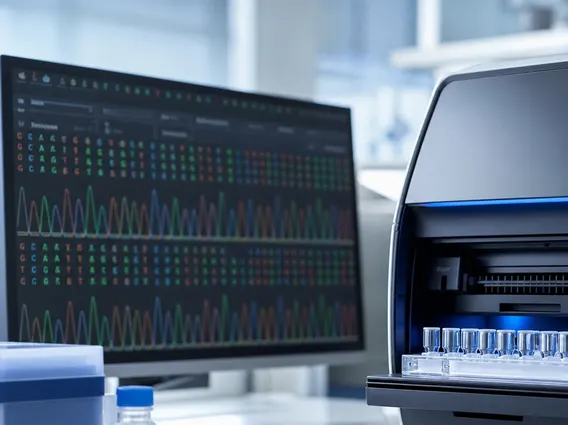
Key Takeaways
- Next Generation Sequencing (NGS) is a powerful technology for rapidly sequencing DNA and RNA.
- NGS works by fragmenting DNA, attaching adapters, amplifying fragments, and then sequencing millions of these fragments in parallel.
- Its applications span across oncology, rare disease diagnosis, infectious disease surveillance, and pharmacogenomics.
- The benefits of NGS include high speed, cost-effectiveness, and the ability to detect a wide range of genetic variations simultaneously.
What is Next Generation Sequencing (NGS)?
Next Generation Sequencing (NGS) refers to a suite of high-throughput DNA sequencing technologies that have dramatically increased the speed and reduced the cost of genome sequencing. Unlike traditional Sanger sequencing, which processes DNA strands one at a time, NGS platforms can sequence millions of DNA fragments in parallel, generating vast amounts of genetic data quickly and efficiently. This parallel processing capability allows for comprehensive analysis of entire genomes, exomes, or specific gene panels, making it an indispensable tool in modern biology and medicine.
The core principle behind NGS involves breaking down a large DNA molecule into smaller, manageable fragments. These fragments are then prepared for sequencing through various biochemical steps, ultimately allowing for the determination of the nucleotide sequence (adenine, guanine, cytosine, and thymine) at each position. The resulting data is then computationally reassembled to reconstruct the original DNA sequence, revealing genetic variations that may be linked to diseases or other biological traits.
How Next Generation Sequencing Works
The process of Next Generation Sequencing involves several key steps, although the specifics can vary slightly depending on the particular NGS platform used. Generally, the workflow begins with sample preparation, where DNA or RNA is extracted from a biological sample. This nucleic acid is then fragmented into smaller pieces, typically ranging from 150 to 500 base pairs in length. Adapters, which are short, synthetic DNA sequences, are ligated to the ends of these fragments. These adapters serve multiple purposes, including binding the fragments to a solid surface (flow cell) and providing primer binding sites for amplification and sequencing.
Following adapter ligation, the prepared library of DNA fragments undergoes amplification, often through a process called bridge amplification or emulsion PCR, to create millions of identical copies of each fragment. These amplified fragments are then ready for the sequencing reaction. During sequencing, fluorescently labeled nucleotides are incorporated one by one into the growing DNA strands. A camera captures the light emitted by each nucleotide as it is added, allowing specialized software to determine the sequence of bases. This parallel sequencing of millions of fragments generates a massive dataset of short reads, which are then aligned to a reference genome and analyzed to identify genetic variations such as single nucleotide polymorphisms (SNPs), insertions, deletions, and structural variants.
Applications and Benefits of Next Generation Sequencing
The widespread adoption of Next Generation Sequencing has revolutionized numerous fields, offering profound insights into human health and disease. The applications of Next Generation Sequencing are diverse, ranging from clinical diagnostics to fundamental research. In oncology, NGS is used to identify somatic mutations in tumors, guiding targeted therapy decisions and monitoring treatment response. For rare genetic diseases, it enables the rapid diagnosis of previously undiagnosed conditions by sequencing entire exomes or genomes, often leading to earlier intervention and improved patient outcomes. For instance, the Centers for Disease Control and Prevention (CDC) highlights NGS as critical for identifying pathogens and tracking outbreaks, significantly enhancing public health surveillance.
The benefits of Next Generation Sequencing are extensive. Firstly, its high-throughput nature allows for the simultaneous analysis of multiple genes or even entire genomes, providing a comprehensive view of an individual’s genetic makeup in a single experiment. This contrasts sharply with older methods that were often limited to sequencing one gene at a time. Secondly, NGS offers unparalleled sensitivity, capable of detecting rare variants and low-frequency mutations, which is particularly crucial in cancer diagnostics and infectious disease monitoring. Thirdly, the continually decreasing cost per base pair has made genomic sequencing more accessible, facilitating large-scale population studies and integrating genomics into routine clinical care. These advantages collectively position NGS as a cornerstone technology for precision medicine, enabling personalized treatment strategies based on an individual’s unique genetic profile.
- Oncology: Identifying cancer-driving mutations, guiding targeted therapies, monitoring minimal residual disease.
- Rare Disease Diagnosis: Pinpointing causative genetic variants for undiagnosed conditions.
- Infectious Disease: Rapid identification and characterization of pathogens, tracking antimicrobial resistance.
- Pharmacogenomics: Predicting individual responses to drugs based on genetic variations.
- Reproductive Health: Non-invasive prenatal testing and preimplantation genetic testing.



















