Neutrophil
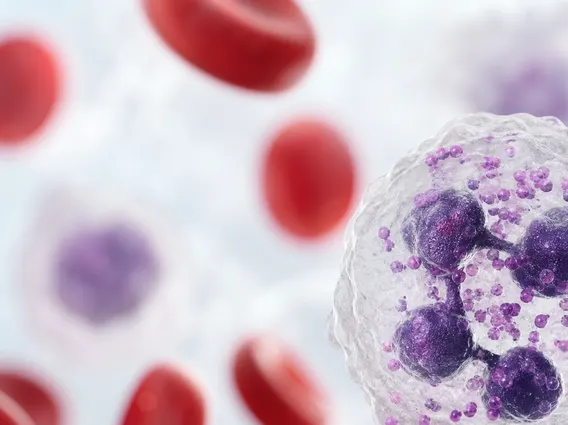
A Neutrophil is a type of white blood cell, or leukocyte, that plays a critical role in the innate immune system. These abundant cells are among the first responders to infection and inflammation, acting as the body’s primary defense against invading pathogens.
Key Takeaways
- Neutrophils are the most common type of white blood cell, essential for the body’s innate immune response.
- Their primary function involves phagocytosis, engulfing and destroying bacteria and other harmful microorganisms.
- They also release antimicrobial substances and form Neutrophil Extracellular Traps (NETs) to neutralize pathogens.
- Abnormal neutrophil levels, either too low (neutropenia) or too high (neutrophilia), can indicate underlying health issues.
- Monitoring neutrophil counts is a crucial diagnostic tool for identifying infections, inflammatory conditions, and certain blood disorders.
What is a Neutrophil?
Neutrophils are granular leukocytes, meaning they contain granules filled with enzymes and other antimicrobial compounds. They are the most abundant type of white blood cell, typically making up 50-70% of the total leukocyte count in healthy adults. These cells are produced in the bone marrow and circulate in the bloodstream for a short period, usually less than a day, before migrating into tissues to combat infection.
As crucial components of the innate immune system, neutrophils act as the body’s first line of defense against bacterial and fungal infections. They are rapidly recruited to sites of injury or infection through a process called chemotaxis, where they follow chemical signals released by pathogens and damaged tissues. Their swift response is vital for containing infections before they can spread throughout the body.
Neutrophil Function in the Immune System
The primary neutrophil function in immune system involves several potent mechanisms to eliminate pathogens. Their most well-known role is phagocytosis, where they engulf and digest foreign particles, bacteria, and cellular debris. Once a pathogen is internalized, it is trapped within a phagosome, which then fuses with lysosomes containing destructive enzymes and reactive oxygen species, effectively breaking down the invader.
Beyond phagocytosis, neutrophils also contribute to immunity by releasing various antimicrobial substances into the extracellular environment. These include defensins, cathelicidins, and enzymes like myeloperoxidase, which create a toxic environment for pathogens. Furthermore, neutrophils can form Neutrophil Extracellular Traps (NETs), a unique defense mechanism where they release a mesh-like structure composed of DNA, histones, and granular proteins. These NETs trap and neutralize bacteria, fungi, and even some viruses, preventing their dissemination and facilitating their clearance.
Clinical Significance of Neutrophil Levels
Monitoring neutrophil levels through a complete blood count (CBC) is a routine diagnostic tool that provides valuable insights into a patient’s health status. Deviations from the normal range can indicate various underlying medical conditions, ranging from infections to more serious disorders. It is crucial for healthcare professionals to interpret these levels in the context of a patient’s overall clinical picture.
A condition characterized by a low neutrophil count is known as neutropenia. The low neutrophil count causes are diverse and can include:
- Bone Marrow Suppression: Often a side effect of chemotherapy, radiation therapy, or certain medications.
- Autoimmune Diseases: Conditions like rheumatoid arthritis or lupus can sometimes lead to neutrophil destruction.
- Severe Infections: Overwhelming infections can sometimes deplete neutrophil reserves.
- Nutritional Deficiencies: Deficiencies in vitamins like B12 or folate can impair neutrophil production.
- Certain Blood Disorders: Aplastic anemia or myelodysplastic syndromes can affect bone marrow function.
Neutropenia significantly increases a person’s susceptibility to severe bacterial and fungal infections, as the body’s primary defense mechanism is compromised. The severity of neutropenia often correlates directly with the risk of developing life-threatening infections, necessitating prompt medical attention and protective measures.
Conversely, an elevated neutrophil count, termed neutrophilia, also carries clinical significance. The high neutrophil levels meaning is often indicative of the body actively fighting an infection or responding to inflammation. Common causes of neutrophilia include:
- Bacterial Infections: The most frequent cause, as neutrophils are mobilized to combat bacterial pathogens.
- Inflammation: Conditions like arthritis, inflammatory bowel disease, or tissue injury can trigger an increase.
- Stress: Physical or emotional stress can temporarily elevate neutrophil counts.
- Corticosteroid Use: Medications like prednisone can increase neutrophil release from the bone marrow.
- Myeloproliferative Disorders: Certain blood cancers, such as chronic myeloid leukemia, can lead to persistently high levels.
While often a sign of a robust immune response to an acute challenge, persistently high neutrophil levels without an obvious cause warrant further investigation to rule out chronic inflammatory conditions or hematological malignancies. Consulting a healthcare provider for any abnormal blood test results is always recommended for proper diagnosis and management.