Chinese Rhubarb
Chinese Rhubarb refers to a plant species with a long history of use in traditional medicine, particularly for its unique properties derived from its roots and rhizomes. It has been a subject of interest in various clinical contexts due to its diverse phytochemical composition.
Key Takeaways
- Chinese Rhubarb (Rheum palmatum) is a traditional medicinal plant primarily valued for its dried roots and rhizomes.
- It has been historically used in traditional Chinese medicine for its purgative, anti-inflammatory, and antimicrobial effects.
- The plant’s active compounds, such as anthraquinones, contribute to its well-documented laxative properties.
- Modern research continues to explore the potential therapeutic applications and mechanisms of its various constituents.
- Despite its traditional uses, it is crucial to consult healthcare professionals before using Chinese Rhubarb for any medical condition.
What is Chinese Rhubarb?
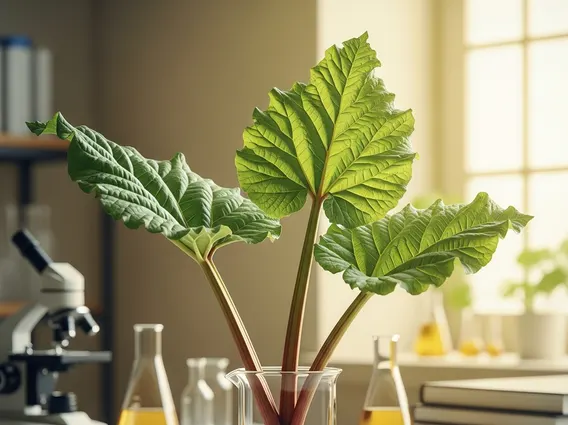
Chinese Rhubarb (Rheum palmatum) is a perennial herbaceous plant native to the mountainous and forested regions of China, particularly in the northwestern provinces. Distinct from the culinary rhubarb (Rheum rhabarbarum) commonly found in Western gardens, this species is cultivated specifically for its medicinal properties. The plant is characterized by its large, deeply lobed leaves and thick, fleshy rhizomes (underground stems) and roots, which are the primary parts used in traditional medicine after being harvested, dried, and processed.
The medicinal efficacy of Chinese Rhubarb is attributed to its rich array of bioactive compounds, predominantly anthraquinones, tannins, and flavonoids. These constituents work synergistically to exert various physiological effects within the body. Historically, the preparation of the plant material often involves different processing methods, such as raw, wine-processed, or charred forms, each believed to influence its specific therapeutic actions and mitigate potential side effects.
Traditional Medicinal Uses and Health Benefits
The history of chinese rhubarb traditional medicine spans thousands of years, with its earliest documented uses dating back to ancient Chinese texts. It is considered one of the fundamental herbs in the traditional Chinese pharmacopoeia, often prescribed for conditions related to the digestive system and inflammation. Its primary traditional application is as a potent laxative, effective in treating constipation and promoting bowel regularity due to the presence of anthraquinone glycosides.
Beyond its well-known purgative effects, the chinese rhubarb plant uses extend to various other therapeutic areas. Traditionally, it has been employed to clear heat and toxins from the body, reduce inflammation, and promote blood circulation. In some traditional practices, it was also used topically for burns and skin infections. The plant’s antimicrobial properties have been recognized, leading to its use in addressing certain bacterial and viral conditions, although scientific validation for many of these applications is ongoing.
The benefits of chinese rhubarb are continually being investigated through modern scientific research, which aims to understand the mechanisms behind its traditional uses. Studies have explored its potential anti-inflammatory, antioxidant, and hepatoprotective (liver-protecting) effects. For instance, some research suggests that compounds in Chinese Rhubarb may help modulate immune responses and protect against oxidative stress. However, it is important to note that while traditional uses provide a rich historical context, they do not replace conventional medical treatment. Individuals considering the use of Chinese Rhubarb for health purposes should consult with a qualified healthcare professional to ensure safety and appropriateness, especially given potential interactions with other medications or existing health conditions.
As with all herbal remedies, the use of Chinese Rhubarb should be approached with caution. This information is intended for supportive purposes only and does not constitute medical advice or replace professional medical treatment. Always consult a healthcare provider before starting any new treatment or making changes to an existing one.