
Craniotomy
Craniotomy is a critical neurosurgical procedure involving the temporary removal of a section of the skull to access the brain. This intricate operation is performed for various medical conditions, ranging from tumor removal to addressing traumatic brain injuries, aiming to alleviate pressure or repair damaged tissues.
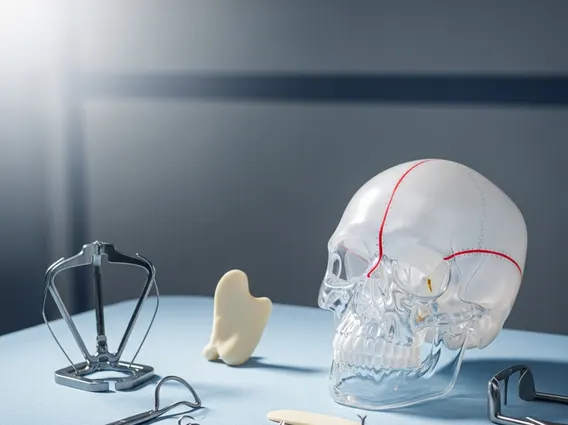
Key Takeaways
- Craniotomy involves temporarily removing a piece of the skull to access the brain for surgical intervention.
- The procedure is performed to treat conditions such as brain tumors, aneurysms, or to relieve pressure from swelling or bleeding.
- Preparation includes detailed imaging and medical assessments, while the surgery itself involves precise bone removal and subsequent replacement.
- Potential risks and complications of craniotomy include infection, bleeding, stroke, and neurological deficits.
- Craniotomy surgery recovery time varies significantly, often requiring hospital stays and extensive rehabilitation.
What is Craniotomy and How is it Performed?
Craniotomy is a surgical procedure that involves creating an opening in the skull, known as a bone flap, to allow neurosurgeons access to the brain. This bone flap is temporarily removed and then typically replaced after the surgical intervention is complete. The primary purpose of a craniotomy is to treat various intracranial conditions that require direct access to the brain or its surrounding structures. These conditions can include removing brain tumors, repairing aneurysms, draining blood clots, relieving pressure from swelling, or treating epilepsy.
The performance of a craniotomy involves several meticulous steps. Pre-operative assessments, including advanced imaging like MRI and CT scans, precisely map the brain and identify the surgical target. On the day of surgery, the patient’s head is prepared, and an incision is made in the scalp to expose the skull. Using specialized surgical tools, a section of the skull bone, known as a bone flap, is carefully cut and lifted away. This provides access to the brain for procedures such as tumor removal or aneurysm repair. After the surgical objective is achieved, the bone flap is typically reattached using small plates and screws, and the scalp incision is closed. The entire craniotomy procedure requires a highly skilled surgical team and advanced medical technology to ensure precision and patient safety.
Craniotomy Risks, Complications, and Recovery
Like any major surgical intervention, there are inherent risks and complications of craniotomy that patients and their families should be aware of. While neurosurgical teams take extensive precautions, potential risks include infection at the surgical site, bleeding (hemorrhage) within the brain, blood clots, and adverse reactions to anesthesia. More serious complications can involve stroke, seizures, brain swelling, and neurological deficits such as weakness, speech problems, or vision changes, depending on the area of the brain affected. In rare cases, there can be cerebrospinal fluid (CSF) leakage or complications related to the bone flap itself. The likelihood of these complications varies based on the patient’s overall health, the specific condition being treated, and the complexity of the surgery.
The craniotomy surgery recovery time is highly variable and depends on several factors, including the patient’s age, general health, the reason for the surgery, and the extent of the procedure. Immediately after surgery, patients are closely monitored in an intensive care unit (ICU) for several days. Hospital stays typically range from a few days to several weeks. During this period, pain management, monitoring for complications, and early mobilization are key. Upon discharge, patients often require ongoing rehabilitation, which may include physical therapy, occupational therapy, and speech therapy, to regain lost functions and adapt to any new neurological changes. Full recovery can take several months to a year, with some patients experiencing long-term effects. Adherence to post-operative instructions and regular follow-up appointments are crucial for optimal recovery.
To summarize, here are some common aspects of craniotomy recovery:
- Immediate Post-Op: Intensive care unit monitoring for vital signs, neurological status, and pain management.
- Hospital Stay: Typically several days to weeks, focusing on wound care, mobility, and managing potential complications.
- Rehabilitation: Often includes physical, occupational, and speech therapy to address any deficits.
- Long-term Recovery: Can extend for months to a year, requiring patience and adherence to medical advice.



















