Cervical
The cervix is a vital component of the female reproductive system, playing crucial roles in both menstruation and reproduction. Understanding its structure and function is fundamental to recognizing various conditions that can affect it.
Key Takeaways
- The cervix is the lower part of the uterus, connecting it to the vagina, and is essential for reproductive health.
- Common cervical conditions can manifest through symptoms like abnormal bleeding, pain, or unusual discharge.
- Cervical cancer is primarily caused by persistent HPV infection and is highly preventable through regular screening.
- Routine cervical screening process, such as Pap tests and HPV tests, are critical for early detection and prevention.
- Vaccination against HPV offers significant protection against cervical cancer.
What is Cervical: Anatomy and Function
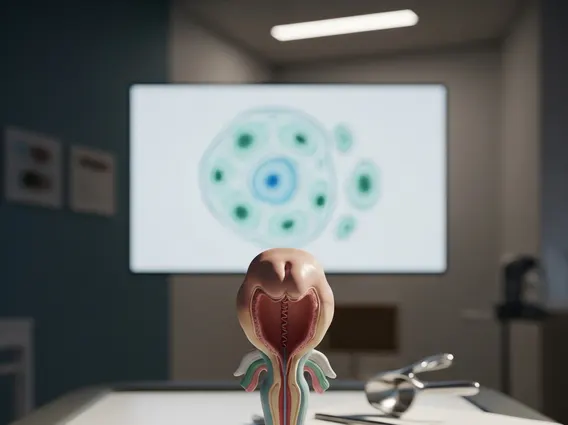
Cervical refers to anything pertaining to the cervix, which is the narrow, lower portion of the uterus that connects to the vagina. It acts as a gateway, allowing menstrual blood to exit and sperm to enter the uterus.
The cervix has two main parts: the ectocervix (the part visible during a gynecological exam) and the endocervix (the canal leading into the uterus). The meeting point of these two areas, known as the transformation zone, is where most cervical cancers originate. The cervical anatomy and function are critical for several physiological processes. During pregnancy, the cervix remains firm and closed, protecting the developing fetus. As labor approaches, it softens, thins (effaces), and opens (dilates) to allow for childbirth. Additionally, the cervix produces mucus, which changes consistency throughout the menstrual cycle to either facilitate or impede sperm passage, playing a role in fertility.
Symptoms of Cervical Conditions
Various conditions can affect the cervix, ranging from infections and inflammation to precancerous changes and cancer. Recognizing the symptoms of cervical problems is crucial for early diagnosis and effective treatment. Many early-stage cervical conditions, including precancerous changes, often present with no noticeable symptoms.
When symptoms do occur, they can include:
- Abnormal vaginal bleeding (e.g., between periods, after intercourse, or post-menopause).
- Unusual vaginal discharge (e.g., watery, bloody, or foul-smelling).
- Pelvic pain or pain during sexual intercourse.
- Pain during urination or bowel movements (in advanced cases).
It is important to note that these symptoms are not exclusive to cervical conditions and can be indicative of other gynecological issues. Therefore, any persistent or concerning symptoms warrant a medical evaluation.
Cervical Cancer: Screening and Prevention
Cervical cancer is a type of cancer that develops in the cells of the cervix. It is most often caused by long-term infection with certain types of human papillomavirus (HPV). While HPV infections are common, most clear on their own; however, persistent infection with high-risk HPV types can lead to cellular changes that, if left untreated, may progress to cancer over many years.
The cervical screening process is vital for detecting precancerous changes or early-stage cervical cancer, significantly improving treatment outcomes. The primary screening methods include the Pap test (Papanicolaou test) and the HPV test. The Pap test involves collecting cells from the cervix to examine them for abnormalities under a microscope. The HPV test detects the presence of high-risk HPV types in cervical cells. According to the World Health Organization (WHO), cervical cancer is the fourth most common cancer among women globally, but it is also one of the most preventable and treatable if detected early. Regular screening can reduce cervical cancer incidence and mortality by up to 80% in high-income countries. (Source: WHO, “Cervical cancer,” updated 24 January 2024).
Prevention strategies extend beyond screening. HPV vaccination is a highly effective method to prevent infection with the HPV types most commonly associated with cervical cancer. It is recommended for adolescents, typically before they become sexually active. Practicing safe sex and avoiding smoking can also reduce the risk of developing cervical cancer.