Cellular Metabolism
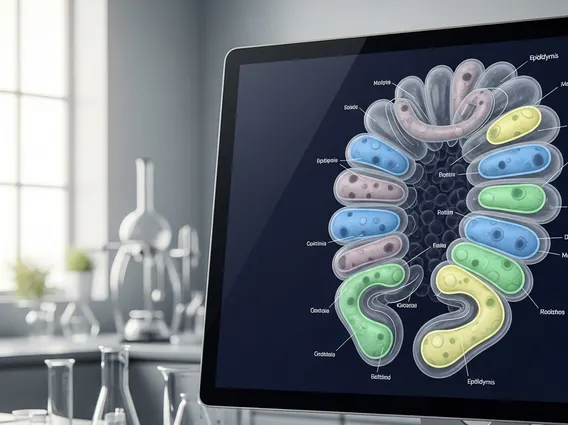
Cellular Metabolism refers to the intricate network of biochemical reactions that occur within living cells to maintain life. These processes are fundamental for growth, reproduction, structural maintenance, and responding to environmental changes.
Key Takeaways
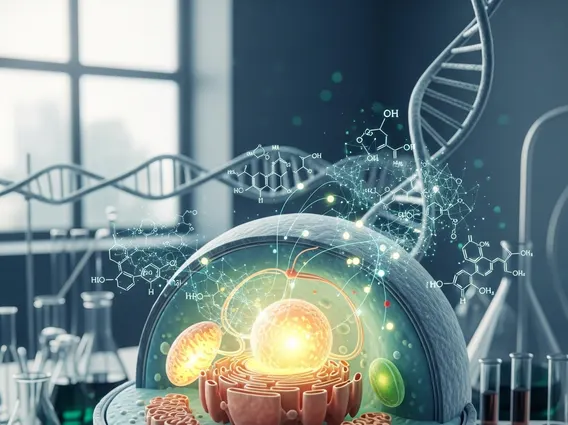
- Cellular metabolism encompasses all chemical reactions in cells, vital for energy, growth, and waste removal.
- It involves two main processes: catabolism (breaking down molecules for energy) and anabolism (building molecules, requiring energy).
- Key pathways, such as glycolysis, the Krebs cycle, and oxidative phosphorylation, are crucial for generating adenosine triphosphate (ATP).
- Efficient cellular metabolism is essential for maintaining cellular function, tissue health, and overall organism survival.
- Dysregulation of these metabolic processes can contribute to various diseases, including cancer and metabolic disorders.
What is Cellular Metabolism?
Cellular Metabolism refers to the sum of all chemical reactions that take place within a cell to sustain life. These reactions are highly organized and interconnected, allowing cells to grow, reproduce, maintain their structures, and respond to their environments. The core purpose of these metabolic processes is to convert food into energy, produce building blocks for proteins, lipids, nucleic acids, and some carbohydrates, and eliminate metabolic waste products.
The processes involved in cellular metabolism are broadly categorized into two main types:
- Catabolism: This involves the breakdown of complex molecules into simpler ones, releasing energy in the process. For example, the breakdown of glucose into pyruvate during glycolysis releases energy that can be captured in the form of adenosine triphosphate (ATP).
- Anabolism: This involves the synthesis of complex molecules from simpler precursors, requiring energy input. Examples include the synthesis of proteins from amino acids or DNA replication.
The balance between catabolic and anabolic processes is tightly regulated to meet the cell’s energy demands and synthetic needs. This intricate regulation ensures that cells efficiently utilize nutrients and maintain homeostasis.
Key Cellular Metabolism Pathways Explained
Understanding cellular metabolism pathways explained reveals how cells manage energy and material flow. These pathways are sequences of chemical reactions, each catalyzed by specific enzymes, that transform one molecule into another. The primary goal for many of these pathways is the generation of ATP, the cell’s main energy currency.
Some of the most critical pathways include:
- Glycolysis: This is the initial stage of glucose breakdown, occurring in the cytoplasm. It converts one molecule of glucose into two molecules of pyruvate, producing a small amount of ATP and NADH. This pathway can proceed in the absence of oxygen.
- Krebs Cycle (Citric Acid Cycle): Following glycolysis, if oxygen is present, pyruvate is converted to acetyl-CoA, which then enters the Krebs cycle in the mitochondrial matrix. This cycle generates ATP, NADH, and FADH2, which are crucial for subsequent energy production.
- Oxidative Phosphorylation: This is the major ATP-producing pathway, occurring in the inner mitochondrial membrane. NADH and FADH2 from glycolysis and the Krebs cycle donate electrons to an electron transport chain, creating a proton gradient that drives ATP synthase to produce large quantities of ATP.
- Fatty Acid Oxidation: This pathway breaks down fatty acids into acetyl-CoA, which can then enter the Krebs cycle to generate energy. It’s a significant source of energy, especially during prolonged fasting or exercise.
These pathways are interconnected, allowing cells to switch between different fuel sources and adapt to varying energy demands. For instance, during periods of high energy demand, glucose and fatty acids are rapidly catabolized. Conversely, when energy is abundant, excess nutrients can be stored as glycogen or fat through anabolic pathways.
Importance of Cellular Metabolism for Life
The importance of cellular metabolism for life cannot be overstated, as it underpins virtually every biological process. Efficient metabolic function is essential for maintaining cellular integrity, tissue repair, and the overall health of an organism. Without properly functioning metabolic pathways, cells cannot generate the energy required for their activities, nor can they synthesize the necessary components for growth and repair.
Key roles of cellular metabolism include:
- Energy Production: It provides the ATP necessary for all cellular work, from muscle contraction and nerve impulse transmission to active transport and biosynthesis.
- Biomolecule Synthesis: It supplies the building blocks for proteins, nucleic acids, lipids, and carbohydrates, which are essential for cell structure, function, and replication.
- Waste Removal: Metabolic pathways process and eliminate toxic byproducts, preventing their accumulation and potential harm to the cell.
- Homeostasis and Adaptation: It allows cells and organisms to maintain a stable internal environment and adapt to changes in nutrient availability, temperature, and other environmental stressors.
Dysregulation in cellular metabolism is implicated in a wide range of diseases. For example, metabolic disorders like diabetes arise from issues with glucose metabolism, while many cancers exhibit altered metabolic profiles, often relying heavily on glycolysis even in the presence of oxygen (the Warburg effect). Understanding these complex interactions is crucial for developing therapeutic strategies. According to the World Health Organization (WHO), noncommunicable diseases, many of which have metabolic underpinnings, are responsible for 74% of all deaths globally, highlighting the profound impact of metabolic health on human well-being.